
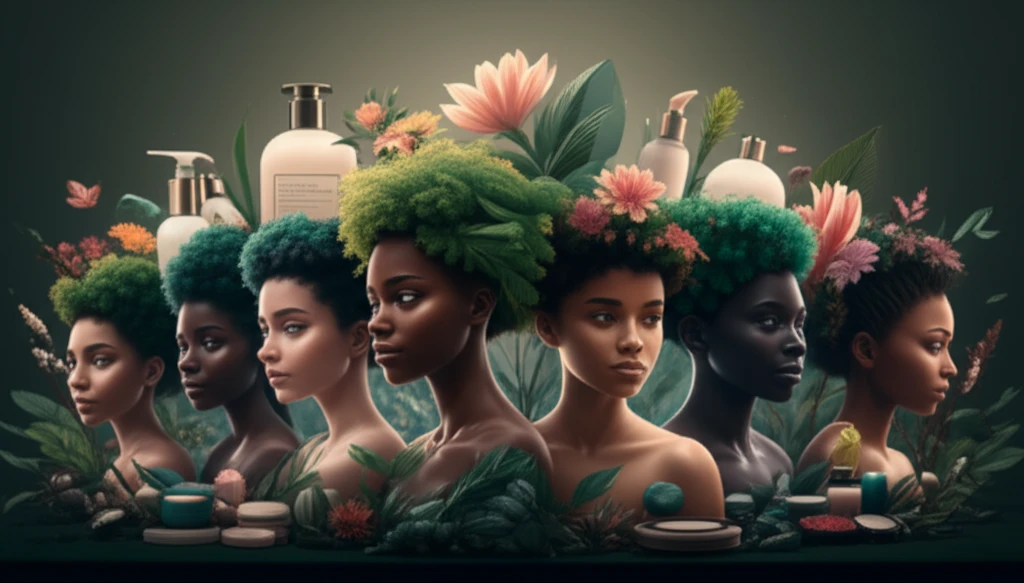
People connected with Nature uses green cosmetics.

Green Beauty Boost: Can Eco-Attitudes Predict Your Cosmetic Choices?

"Uncover the connection between your environmental values and the green products you're likely to buy. Do your ecological concerns really drive your purchasing decisions when it comes to cosmetics?"


Today's economic model, focused on endless growth and consumption, has created significant economic, social, and environmental imbalances. As we move further into this decade, a shift towards a more environmentally friendly future is crucial. This need has sparked important conversations within academic and business circles, with a growing emphasis on integrating social and environmental responsibility into business strategies, particularly concerning environmental impact.

There's been a lot of discussion around changing how we produce goods and rethinking individual consumption habits. Organizations are feeling the pressure to adopt more environmentally responsible practices. Companies are realizing that going green isn't just about following regulations; it's also a response to consumer demand, especially as shoppers become more aware of environmental issues.

However, solving environmental problems requires more than just technology. It also needs a shift in human behavior, as our habits significantly contribute to environmental degradation. Understanding these influences is key to making marketing activities more sustainable, encouraging the creation of new products that meet consumer needs while minimizing environmental harm.

Do Green Attitudes Really Translate to Green Purchases?

People connected with Nature uses green cosmetics.

Understanding the 'green consumer' and their specific characteristics has become a key focus in marketing studies. Corporations and academics are trying to define who this eco-conscious consumer is. Researchers are working hard to identify the key factors that drive green purchasing, which includes showing concern for the physical environment like clean air, water, and land.

This increased awareness highlights the need to focus on creating and promoting green products that meet human needs without harming the environment. According to Ottman (1994, 1999), a truly 'green' product should:

  • Use minimal raw materials, favoring renewable or recycled sources to conserve natural resources.
  • Be manufactured with maximum energy efficiency and minimal water usage.
  • Feature lightweight and minimal packaging.
  • Offer greater durability and serve multiple purposes.
  • Be reusable and biodegradable.
However, it's important to recognize that no product can be completely 'green,' as all production processes consume resources and generate emissions. Therefore, research aims to explore the connection between environmental concerns and actual purchasing behavior in the context of green or eco-friendly products.

Key Findings: Attitudes Predict Buying Habits

This research confirms a strong link between consumers' environmental concerns, their emotional connection to the environment (ecological affect), and their likelihood of purchasing green cosmetics. People who express ecological concern and positive feelings towards environmental protection are more likely to buy eco-friendly cosmetic products.

The study reveals that while many consumers aren't fully informed about green cosmetic options, a significant majority demonstrate both a strong emotional connection to the environment and a high level of ecological concern. This suggests that even with limited knowledge, values and feelings play a crucial role in driving sustainable purchasing decisions.

These findings underscore the importance of not only raising awareness about eco-friendly products but also appealing to consumers' values and emotional connection to the environment. Marketing efforts that highlight the benefits of green products and foster a sense of environmental responsibility can effectively encourage more sustainable purchasing behavior.

About this Article -

This article was crafted using a human-AI hybrid and collaborative approach. AI assisted our team with initial drafting, research insights, identifying key questions, and image generation. Our human editors guided topic selection, defined the angle, structured the content, ensured factual accuracy and relevance, refined the tone, and conducted thorough editing to deliver helpful, high-quality information.See our About page for more information.

This article is based on research published under:

DOI-LINK: 10.5773/rai.v11i1.1206, Alternate LINK

Title: Aspectos Determinantes Do Consumo De Produtos Cosméticos Verdes

Subject: General Medicine

Journal: Review of Administration and Innovation - RAI

Publisher: Faculdade de Economia, Administracao e Contabilidade

Authors: Helenita Rodrigues Da Silva Tamashiro, José Augusto Giesbrecht Da Silveira, Daielly Melina Nassif Mantovani, Claudia Rosa Acevedo De Abreu Campanário

Published: 2014-04-13

Everything You Need To Know

1

How do environmental attitudes affect the purchase of cosmetics?

Environmental concerns and an emotional connection to the environment, known as ecological affect, significantly influence cosmetic purchasing decisions. Consumers who care about the environment are more inclined to purchase green cosmetics. This link is crucial because it suggests that marketing strategies focused on environmental responsibility can effectively drive consumer behavior towards sustainable products.

2

Who is considered a 'green consumer'?

The 'green consumer' is an individual who is aware of environmental issues and concerned about the environmental impact of their consumption. They often prioritize products that minimize harm to the environment. Identifying the characteristics of the 'green consumer' is essential for businesses aiming to develop and market sustainable products.

3

What are the characteristics of a 'green' product?

A truly 'green' product, according to Ottman (1994, 1999), should use minimal raw materials, favor renewable or recycled sources, be manufactured with maximum energy efficiency and minimal water usage, feature lightweight and minimal packaging, offer greater durability and serve multiple purposes, and be reusable and biodegradable. It's important to note that no product can be completely 'green' due to resource consumption and emissions during production.

4

How does ecological awareness influence consumer choices?

Ecological awareness and emotional connection to the environment, or ecological affect, influence consumer behavior by making individuals more likely to choose eco-friendly products. This shift in consumer behavior is vital because it supports the demand for sustainable products, encouraging businesses to adopt more environmentally responsible practices.

5

Why are businesses focusing on environmental responsibility?

Today's economic model emphasizes growth and consumption, which has led to imbalances. Businesses now feel pressured to integrate social and environmental responsibility into their strategies due to growing consumer awareness and demand for sustainable practices. Shifting towards a more environmentally friendly future is crucial, and understanding consumer behavior is key to developing marketing activities that promote sustainability.

Newsletter Subscribe

Subscribe to get the latest articles and insights directly in your inbox.