
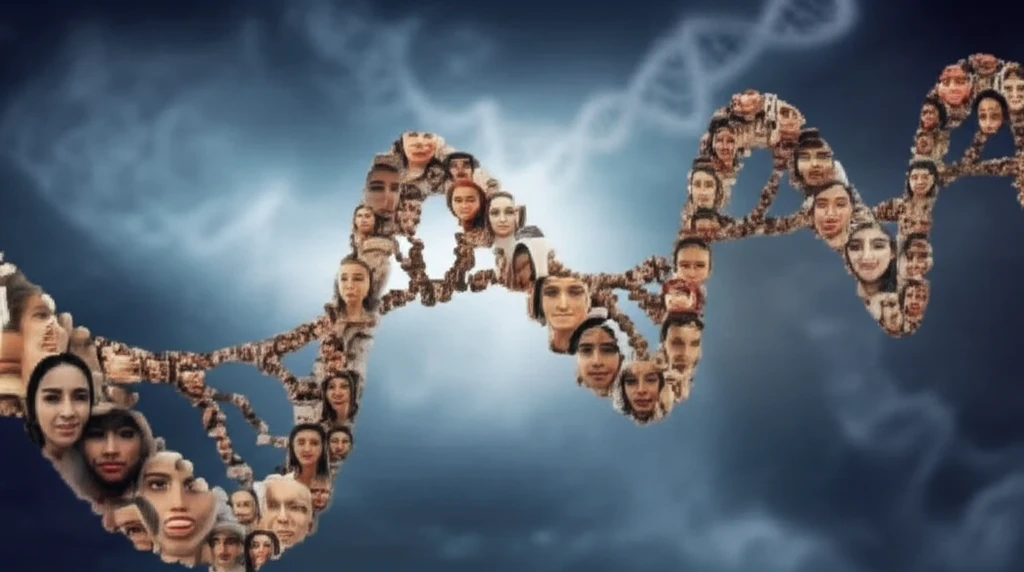
DNA strand with diverse faces symbolizing the need for diversity in genomics research.

Genomics' Diversity Deficit: Why Your DNA Matters Less If You're Not of European Descent

"Despite progress, genetic research still largely overlooks non-European populations, impacting personalized medicine and health equity."


Imagine a world where medical treatments are tailored to your unique genetic makeup. That's the promise of precision medicine. But what if the science that powers this revolution is built on a foundation that excludes a significant portion of the global population? This is the stark reality of genomics today.

A groundbreaking 2009 analysis revealed that a staggering 96% of participants in genome-wide association studies (GWAS) were of European descent. These studies, which scan the genomes of thousands to pinpoint genetic variants linked to diseases, were overwhelmingly focused on one population group. This raised alarms about the potential for genomic medicine to primarily benefit a "privileged few."

Fast forward to today: has the situation improved? While there has been some progress, a new analysis reveals that individuals of non-European descent still only account for less than 20% of participants in these crucial studies. This persistent bias has significant implications for the accuracy and applicability of genomic research, particularly as it relates to personalized medicine.

The Uneven Playing Field of Genetic Research

DNA strand with diverse faces symbolizing the need for diversity in genomics research.

Genome-wide association studies (GWAS) have become a cornerstone of modern genetics, helping researchers identify the genetic factors involved in a wide range of common diseases. By scanning the genomes of large groups of people, GWAS can pinpoint specific genetic variants associated with particular traits or conditions.

However, the value of these studies hinges on the diversity of the populations included. When research is heavily skewed towards one group, the findings may not be applicable or accurate for others. This is precisely the challenge facing genomics today, where a significant disparity exists in the representation of different ancestries.

  • European Ancestry Dominance: Despite some progress, individuals of European ancestry continue to be overrepresented in GWAS.
  • Asian Rise: Much of the recent increase in non-European representation is due to a rise in studies conducted in Asia, particularly in Japan, China, and Korea.
  • African and Latin American Lag: People of African and Latin American ancestry, as well as Hispanic and indigenous populations, remain significantly underrepresented.
This lack of diversity isn't just a matter of fairness; it has tangible consequences for medical advancements. When genetic associations are primarily identified in one population, their relevance and accuracy in other groups may be limited.

Correcting Course: A Path Towards Equitable Genomics

The underrepresentation of diverse populations in genomics is not just a statistical problem; it's a matter of health equity and scientific accuracy. By continuing down this path, the genomics community risks exacerbating existing health disparities and missing crucial insights into disease biology.

To correct course, a multi-pronged approach is needed. Funding agencies should prioritize research that actively seeks to include diverse populations, and researchers need to be more aware of the potential biases in existing datasets. Furthermore, building trust and engaging with underrepresented communities is essential to ensure their participation in research.

The promise of precision medicine is a powerful one, but it can only be realized if genomics truly reflects the diversity of the human population. By addressing the current diversity deficit, the genomics community can unlock new discoveries and create a future where everyone benefits from the power of personalized medicine.

About this Article -

This article was crafted using a human-AI hybrid and collaborative approach. AI assisted our team with initial drafting, research insights, identifying key questions, and image generation. Our human editors guided topic selection, defined the angle, structured the content, ensured factual accuracy and relevance, refined the tone, and conducted thorough editing to deliver helpful, high-quality information.See our About page for more information.

This article is based on research published under:

DOI-LINK: 10.1038/538161a, Alternate LINK

Title: Genomics Is Failing On Diversity

Subject: Multidisciplinary

Journal: Nature

Publisher: Springer Science and Business Media LLC

Authors: Alice B. Popejoy, Stephanie M. Fullerton

Published: 2016-10-01

Everything You Need To Know

1

What are Genome-wide association studies (GWAS), and why is diversity important in these studies?

Genome-wide association studies (GWAS) are fundamental in modern genetics, scanning genomes of large groups to find genetic variants associated with diseases. However, they rely on diverse populations for accurate and applicable findings. When a specific population like the European ancestry is overrepresented, the results' relevance and accuracy for other groups can be limited. This underrepresentation has tangible consequences for medical advancements, potentially exacerbating health disparities and missing crucial insights into disease biology.

2

How does the diversity gap in genomics impact the promise of precision medicine?

Precision medicine tailors medical treatments to an individual's unique genetic makeup. The underrepresentation of non-European populations in genomic research hinders this. The data used in this revolution is built on a foundation that excludes a significant portion of the global population, limiting the accuracy and applicability of genomic research, particularly as it relates to personalized medicine. This leads to treatments that may not be as effective or safe for individuals from underrepresented groups.

3

Why is the lack of diversity in genomics a concern for health equity?

The lack of diversity in genomics is a significant concern for health equity. When the majority of genomic research focuses on one population, such as European ancestry, it can exacerbate existing health disparities. People of African and Latin American ancestry, as well as Hispanic and indigenous populations, remain significantly underrepresented. This means that medical advancements and treatments may not be equally effective or accessible across all populations, perpetuating inequalities in healthcare outcomes.

4

What is the extent of the diversity gap in genomic research today?

The diversity gap in genomics means that the genetic research is skewed. In 2009, a staggering 96% of participants in genome-wide association studies (GWAS) were of European descent. While there has been some progress, individuals of non-European descent still only account for less than 20% of participants in these crucial studies. Asian representation has increased. African and Latin American populations, along with Hispanic and indigenous populations, remain significantly underrepresented. This disparity limits the generalizability of findings and the development of effective treatments for diverse populations.

5

What steps can be taken to correct the course and make genomics more equitable?

To address the diversity deficit, the genomics community needs to prioritize the inclusion of underrepresented populations in genome-wide association studies (GWAS). This means increasing research efforts in diverse communities and ensuring that findings are applicable and accurate for all groups. Additionally, it is vital to acknowledge the ethical implications of genomic research, promote health equity, and work to reduce the disparities in healthcare outcomes. This includes increasing representation of people of African and Latin American ancestry, as well as Hispanic and indigenous populations.

Newsletter Subscribe

Subscribe to get the latest articles and insights directly in your inbox.