
Forests at Risk: How Clear-Cutting Impacts Biodiversity and What We Can Do

"Discover the hidden costs of clear-cutting and how sustainable forestry practices can protect our forests' rich biodiversity."
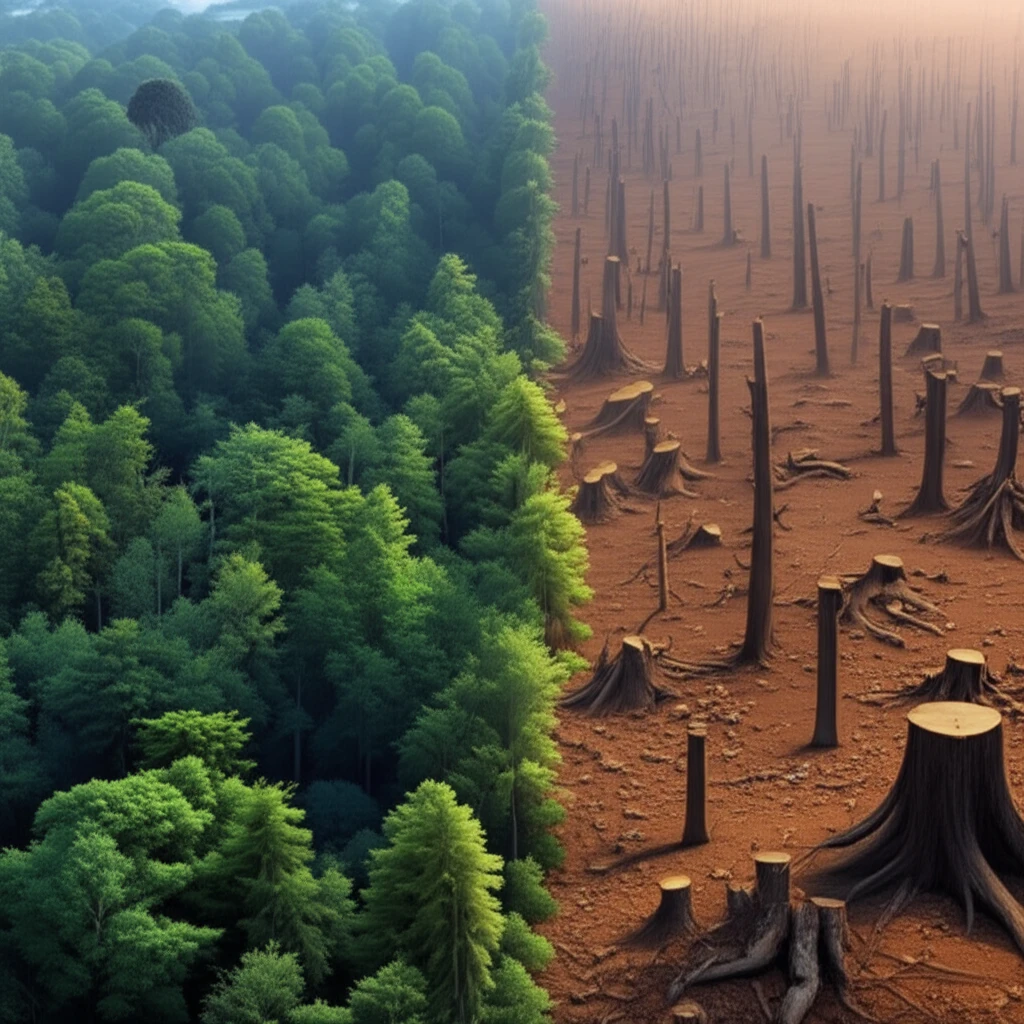
Forests are more than just trees; they’re intricate communities teeming with life. However, common forestry practices like clear-cutting threaten these ecosystems by disrupting the natural processes that keep them healthy and diverse. Imagine a bustling city street suddenly replaced by a parking lot—that’s the kind of impact clear-cutting can have on a forest.
Clear-cutting, a widespread harvesting method, involves removing all trees from a designated area, leading to significant environmental changes. This drastic approach simplifies the forest structure, reducing the variety of habitats available for plants, animals, and microorganisms. The result? A decline in biodiversity and a less resilient ecosystem.
But it’s not all doom and gloom. By understanding the impacts of clear-cutting and adopting more sustainable forestry practices, we can better protect our forests. This article delves into the critical research highlighting how clear-cutting affects environmental heterogeneity and biodiversity, paving the way for informed and responsible forest management.
The Ripple Effect: How Clear-Cutting Homogenizes Forest Environments
Recent research published in PLOS ONE sheds light on how clear-cutting transforms North American boreal forests. The study, led by Sergio Garcı´a-Tejero and Anne Oxbrough, investigated the effects of clear-cutting on environmental heterogeneity—the variability in structural, vegetational, and soil parameters—and beta diversity, which measures the variability in species composition across different areas.
- Reduced Habitat Complexity: Clear-cutting simplifies the forest structure, eliminating diverse microhabitats.
- Loss of Keystone Structures: The removal of dead trees and woody debris deprives many species of essential resources and shelter.
- Decreased Biodiversity: Many old-growth-dependent species, including bryophytes, lichens, vascular plants, and invertebrates, decline.
Looking Ahead: Embracing Sustainable Forest Management
The research underscores the need for a shift towards sustainable forest management practices that prioritize biodiversity and ecosystem health. By understanding the long-term impacts of clear-cutting and recognizing the importance of environmental heterogeneity, we can make more informed decisions about how to manage our forests. Promoting diverse forest structures and minimizing the removal of key structural elements like deadwood can help maintain the rich biodiversity of these vital ecosystems. Moving forward, it's crucial to incorporate site history and biological legacies into forest management plans to foster more resilient and diverse forests for future generations.