
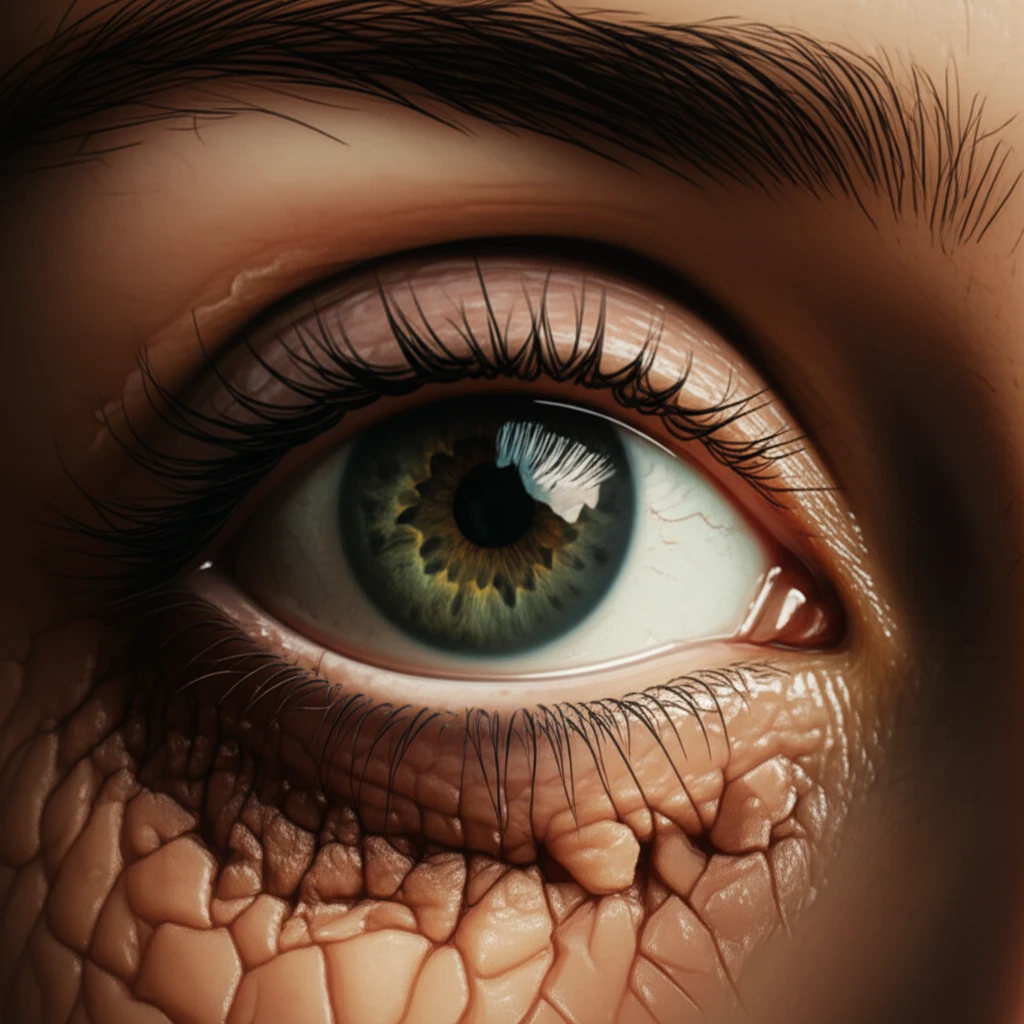
Illustration of ectropion progressing to scleroderma, symbolizing the connection between the two conditions.

Ectropion and Scleroderma: A Comprehensive Guide to Causes, Symptoms, and Management

"Understanding the link between ectropion and scleroderma and what it means for your eye health."


Ectropion is an eye condition where the eyelid turns outward, exposing the inner surface. While it can occur due to various factors, its association with systemic diseases like scleroderma highlights the importance of understanding the broader health context. Scleroderma, also known as systemic sclerosis, is a chronic autoimmune disease characterized by the hardening and tightening of the skin and connective tissues. This condition can affect various organs, including the eyes, leading to complications like ectropion.

The link between ectropion and scleroderma is significant because scleroderma's effects on the skin can directly impact the eyelids. The tightening and hardening of the skin around the eyes can pull the eyelids outward, resulting in ectropion. This outward turning of the eyelid can lead to several uncomfortable symptoms, such as dryness, irritation, excessive tearing, and an increased risk of infection. Recognizing and managing ectropion in individuals with scleroderma is crucial for maintaining eye health and overall quality of life.

This article aims to provide a comprehensive guide to understanding the relationship between ectropion and scleroderma. We will explore the causes, symptoms, and various management strategies to help you navigate this complex condition. Whether you are a patient, caregiver, or healthcare professional, this information is designed to equip you with the knowledge needed to address ectropion effectively in the context of scleroderma.

What Causes Ectropion in Scleroderma Patients?

Illustration of ectropion progressing to scleroderma, symbolizing the connection between the two conditions.

Scleroderma's impact on the skin and connective tissues is the primary driver of ectropion in affected individuals. The disease causes an overproduction of collagen, leading to fibrosis, or thickening and scarring, of the skin. When this occurs around the eyes, the skin loses its elasticity and becomes tight, pulling the eyelid away from the eye. This mechanical alteration is the direct cause of ectropion in scleroderma patients.

Several factors contribute to the development of ectropion in scleroderma patients. Understanding these factors can help in early detection and management:

  • Skin Tightening: The hallmark of scleroderma is the tightening and hardening of the skin. Around the eyes, this can lead to the eversion of the eyelids.
  • Loss of Elasticity: Scleroderma reduces the natural elasticity of the skin, making it less pliable and more prone to pulling away from the eye.
  • Scarring: Scar tissue from previous inflammation or skin damage can exacerbate the condition by further contracting and pulling the eyelid.
  • Muscle Weakness: While less direct, scleroderma can affect the muscles around the eyes, contributing to the weakening of the eyelid support structure.
It’s important to note that not all scleroderma patients will develop ectropion, but those with significant skin involvement around the eyes are at a higher risk. Regular monitoring and proactive management can help mitigate the risk and severity of ectropion.

Managing Ectropion in Scleroderma: A Path Forward

Living with ectropion and scleroderma requires a comprehensive and proactive approach to manage symptoms and maintain eye health. Regular check-ups with both a rheumatologist and an ophthalmologist are essential to monitor the progression of both conditions. While the challenges are significant, understanding the disease and implementing appropriate management strategies can significantly improve the quality of life for those affected.

About this Article -

This article was crafted using a human-AI hybrid and collaborative approach. AI assisted our team with initial drafting, research insights, identifying key questions, and image generation. Our human editors guided topic selection, defined the angle, structured the content, ensured factual accuracy and relevance, refined the tone, and conducted thorough editing to deliver helpful, high-quality information.See our About page for more information.

This article is based on research published under:

DOI-LINK: 10.11604/pamj.2014.18.125.4701, Alternate LINK

Title: Ectropion Bilatéral Sévère Compliquant Une Sclérodermie : À Propos D’Un Cas

Subject: General Medicine

Journal: Pan African Medical Journal

Publisher: Pan African Medical Journal

Authors: Jaja Zineb, Daoudi Rajae

Published: 2014-01-01

Everything You Need To Know

1

What exactly is Ectropion?

Ectropion is an eye condition where the eyelid turns outward, exposing the inner surface. This can happen due to various factors, but it's particularly relevant when associated with an autoimmune disease like Scleroderma. The outward turning of the eyelid can cause symptoms like dryness, irritation, excessive tearing, and an increased risk of infection.

2

What role does Scleroderma play in the context of eye health?

Scleroderma, also known as systemic sclerosis, is an autoimmune disease that causes the hardening and tightening of the skin and connective tissues. In the context described, it is the primary driver of Ectropion. It can affect various organs, including the eyes, leading to complications like Ectropion. Scleroderma's impact on the skin around the eyes can pull the eyelids outward, leading to Ectropion.

3

Why is the link between Ectropion and Scleroderma important?

The connection between Ectropion and Scleroderma is significant because Scleroderma's effects on the skin, such as tightening and hardening, directly impact the eyelids. This leads to the outward turning of the eyelid, which is Ectropion. This is important because recognizing and managing Ectropion in individuals with Scleroderma is essential for maintaining eye health and quality of life.

4

What are the main causes of Ectropion for those who have Scleroderma?

The primary cause of Ectropion in Scleroderma patients is the disease's impact on the skin and connective tissues. The overproduction of collagen, leading to fibrosis, or thickening and scarring, of the skin around the eyes, causes the eyelids to lose elasticity and turn outward. This mechanical alteration is the direct cause of Ectropion in Scleroderma patients, driven by skin tightening, loss of elasticity, scarring, and potential muscle weakness.

5

How can someone manage Ectropion if they also have Scleroderma?

Managing Ectropion in individuals with Scleroderma requires a comprehensive and proactive approach. Regular check-ups with both a rheumatologist and an ophthalmologist are essential to monitor the progression of both conditions. Strategies include managing symptoms and maintaining eye health. Understanding the disease and implementing appropriate management can significantly improve the quality of life for those affected, though specific management details are not given.

Newsletter Subscribe

Subscribe to get the latest articles and insights directly in your inbox.