
Dynamic Net Metering: How Energy Communities are Changing the Game

"Discover how dynamic net metering can optimize energy use, reduce costs, and foster sustainable practices within your community."
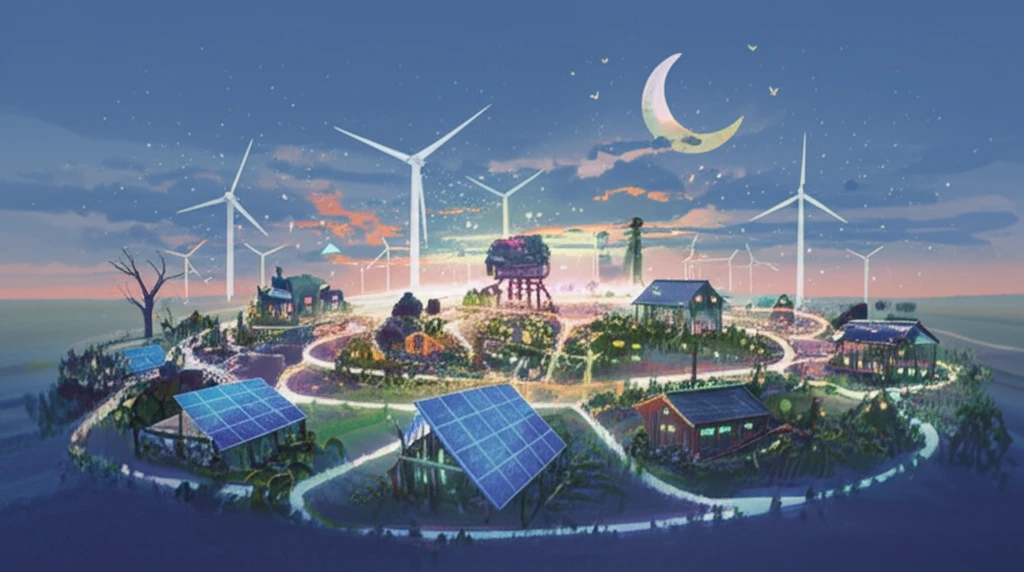
The way we produce, distribute, and consume energy is undergoing a dramatic shift. At the heart of this transformation are energy communities—self-organized groups of consumers and producers who share resources and collectively manage their energy needs. Imagine a neighborhood, a campus, or even a small town pooling their solar panels, wind turbines, and battery storage systems to create a more resilient, efficient, and sustainable energy ecosystem.
One of the most exciting developments in this area is dynamic net metering (D-NEM). Unlike traditional net metering, which often relies on fixed rates and individual setups, D-NEM dynamically adjusts energy prices within the community based on real-time supply and demand. This innovative approach promises to optimize resource sharing, reduce energy costs, and create a fairer, more incentive-driven system for everyone involved.
As public utility commissions and energy regulators explore new ways to support these initiatives, understanding the potential of D-NEM becomes increasingly important. Whether you're a homeowner with solar panels, a business owner looking to cut energy expenses, or simply someone interested in the future of sustainable energy, this article will break down the key concepts, benefits, and implications of dynamic net metering.
What is Dynamic Net Metering (D-NEM)?
Dynamic Net Metering (D-NEM) is a sophisticated approach to managing energy distribution and pricing within a community. Think of it as an intelligent energy-sharing system that leverages real-time data and flexible pricing to optimize the use of local energy resources. Unlike traditional net metering, where prices are often fixed and based on individual net consumption, D-NEM takes a holistic view of the entire community's energy ecosystem.
- Resource Aggregation: D-NEM aggregates all available energy resources within the community, including solar panels, wind turbines, battery storage, and flexible consumption patterns (like adjusting thermostat settings or shifting appliance usage).
- Real-Time Monitoring: The system continuously monitors energy production and consumption data to determine the community's net energy balance.
- Dynamic Pricing: Based on the aggregated data, D-NEM sets the community's net metering prices dynamically. When there is surplus renewable energy, prices may decrease to encourage consumption. Conversely, when demand is high, prices may increase to incentivize conservation.
- Incentive Alignment: D-NEM aligns individual incentives with the community's overall goals. Members are rewarded for contributing to the community's energy efficiency and sustainability.
The Future of Energy Communities
Dynamic Net Metering represents a significant step towards creating more sustainable, resilient, and equitable energy systems. As technology advances and regulatory frameworks evolve, energy communities are poised to play an increasingly important role in shaping the future of energy. By embracing innovative approaches like D-NEM, communities can unlock the full potential of local resources, reduce their carbon footprint, and create a more sustainable world for generations to come.