
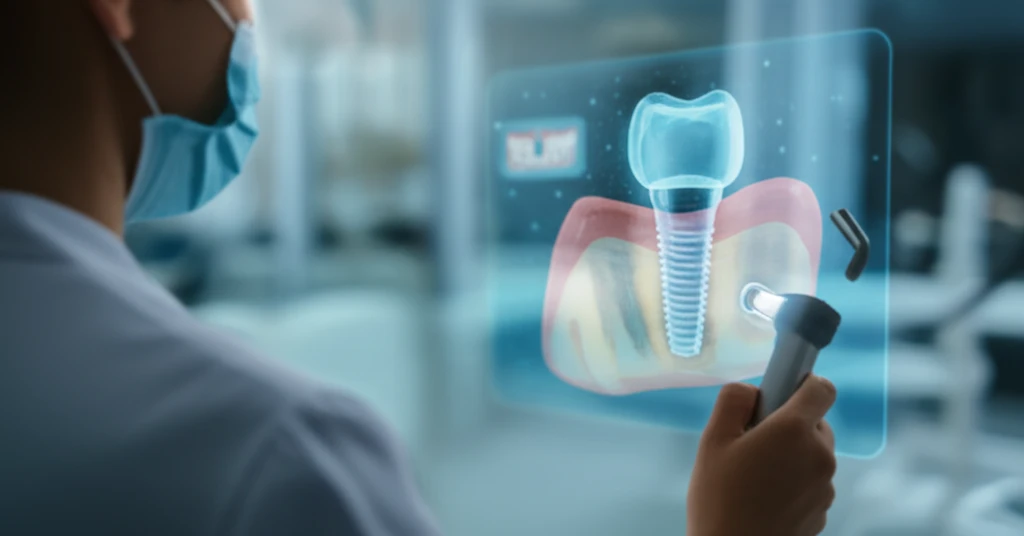
Dentist using intraoral scanner with holographic dental implant display

Digital Dentistry: Is It Time to Replace Traditional Methods?

"Explore how fully digital implant-prosthetic reconstruction is revolutionizing dental practices, offering enhanced precision and efficiency compared to conventional techniques."


In the ever-evolving field of dentistry, the integration of digital technologies is transforming how dental professionals approach implant-prosthetic reconstructions. Traditional methods, which rely heavily on manual impressions and plaster casts, are gradually being replaced by digital solutions that promise greater accuracy, efficiency, and patient comfort.

The shift towards digital dentistry is not merely a trend but a fundamental change driven by the need for more precise and predictable outcomes. Current imaging methods, while satisfactory, can be enhanced with digital tools that provide detailed 3D data, streamline workflows, and improve communication between dentists, technicians, and patients.

This article explores the benefits of fully digital implant-prosthetic reconstruction, examining how technologies like intraoral scanners, 3D printing, and CAD/CAM (computer-aided design and computer-aided manufacturing) are reshaping dental practices. By understanding these advancements, dental professionals can make informed decisions about incorporating digital workflows into their clinics.

Why Digital Dentistry is Gaining Popularity?

Dentist using intraoral scanner with holographic dental implant display

Digital dentistry offers numerous advantages over traditional methods, addressing many of the challenges associated with conventional implant-prosthetic reconstructions. Here’s a breakdown of the key benefits:

Enhanced Precision: Digital impressions captured with intraoral scanners provide highly accurate 3D models of the oral cavity. This precision reduces the likelihood of errors during the fabrication of dental prosthetics, leading to better fit and function.

  • Reduced Chair Time: Digital workflows streamline the entire process, from initial assessment to final restoration. Intraoral scanners capture data quickly, eliminating the need for multiple appointments and lengthy impression-taking sessions.
  • Improved Patient Comfort: Intraoral scanners are non-invasive and well-tolerated by patients, especially compared to traditional impression materials and trays. This can lead to a more positive experience, particularly for patients with anxiety or gag reflexes.
  • Enhanced Communication: Digital models and images facilitate better communication between dentists, technicians, and patients. Everyone can visualize the treatment plan and expected outcomes, leading to greater satisfaction.
  • Efficient Workflows: CAD/CAM technology allows for the design and fabrication of dental prosthetics in-office or at a dental laboratory. This reduces turnaround times and allows for greater control over the final product.
  • Long-Term Cost Savings: While the initial investment in digital equipment can be significant, the long-term cost savings from reduced material waste, fewer remakes, and increased efficiency can be substantial.
In a study of 20 AstraTech EV implants, researchers evaluated the precision of fully digital implant-prosthetic reconstruction using the ASTRA TECH Implant System EV in a dental office. The study utilized Trios® 3Shape Dental Systems digital intraoral scanner, 3D printing, and CAD/CAM techniques to create prosthetic components. The results demonstrated the functional and aesthetic success of the digital approach.

The Future of Implant-Prosthetic Reconstruction

The transition to fully digital implant-prosthetic reconstruction represents a significant advancement in dental care. As technology continues to evolve, digital solutions will become more accessible and integrated into everyday dental practices. Embracing these innovations can lead to improved patient outcomes, enhanced efficiency, and greater satisfaction for both patients and dental professionals. While challenges remain, the benefits of digital dentistry make it a compelling alternative to traditional methods, paving the way for a future where precision, efficiency, and patient comfort are paramount.

About this Article -

This article was crafted using a human-AI hybrid and collaborative approach. AI assisted our team with initial drafting, research insights, identifying key questions, and image generation. Our human editors guided topic selection, defined the angle, structured the content, ensured factual accuracy and relevance, refined the tone, and conducted thorough editing to deliver helpful, high-quality information.See our About page for more information.

Everything You Need To Know

1

What are the main benefits of using digital dentistry methods like intraoral scanners and CAD/CAM in implant-prosthetic reconstruction compared to traditional methods?

Digital dentistry offers several key advantages in implant-prosthetic reconstruction. Intraoral scanners enhance precision by creating accurate 3D models, leading to better-fitting prosthetics. This precision reduces errors during fabrication. CAD/CAM technology streamlines workflows, reducing turnaround times and giving greater control over the final product. Also, the use of intraoral scanners improves patient comfort since it is non-invasive compared to traditional impression materials. It reduces chair time and enhances communication between dentists, technicians, and patients.

2

How does using digital methods like Trios® 3Shape Dental Systems and AstraTech EV implants affect the precision of implant-prosthetic reconstruction?

Using digital methods with systems like Trios® 3Shape Dental Systems and AstraTech EV implants enhances the precision of implant-prosthetic reconstruction. Intraoral scanners capture highly accurate 3D models of the oral cavity, which minimizes errors during the fabrication of dental prosthetics. The digital workflow, incorporating 3D printing and CAD/CAM techniques, ensures that prosthetic components are designed and created with greater accuracy, leading to functional and aesthetic success. This reduces the likelihood of ill-fitting prosthetics, improving overall patient outcomes.

3

In what ways do technologies like intraoral scanners and 3D printing improve patient experience during implant-prosthetic procedures?

Intraoral scanners enhance patient experience by providing a non-invasive method for capturing dental impressions, which is more comfortable than traditional impression materials. This is particularly beneficial for patients with anxiety or strong gag reflexes. Digital models and images obtained through 3D printing and CAD/CAM facilitate better communication, allowing patients to visualize treatment plans and expected outcomes, leading to greater satisfaction and confidence in the process. These technologies reduce the need for multiple appointments and lengthy procedures, saving time and minimizing discomfort.

4

What is the long-term impact of adopting digital dentistry, including technologies like CAD/CAM, on the costs associated with implant-prosthetic reconstructions in a dental practice?

Adopting digital dentistry with technologies like CAD/CAM offers significant long-term cost savings. While the initial investment in digital equipment can be substantial, the reduction in material waste, fewer remakes, and increased efficiency can lead to considerable savings over time. Digital workflows streamline the entire process, reducing chair time and the need for multiple appointments. Furthermore, enhanced precision and improved communication can minimize errors and ensure better treatment outcomes, resulting in reduced costs related to revisions and adjustments. These factors collectively contribute to a more cost-effective approach to implant-prosthetic reconstructions.

5

What role does digital dentistry play in improving communication and collaboration between dentists, technicians, and patients throughout the implant-prosthetic reconstruction process?

Digital dentistry significantly improves communication and collaboration by providing visual and precise tools that enhance understanding among dentists, technicians, and patients. Digital models and images facilitate clear visualization of the treatment plan and expected outcomes, ensuring everyone is on the same page. CAD/CAM technology allows for the design and fabrication of dental prosthetics with input from all parties involved, promoting a collaborative approach. The transparency and accuracy of digital data reduce misunderstandings and improve overall satisfaction, fostering a more cohesive and efficient workflow. However, some traditional aspects of communication, such as personal interactions and hands-on adjustments, might require adaptation to fully integrate with digital workflows.

Newsletter Subscribe

Subscribe to get the latest articles and insights directly in your inbox.