
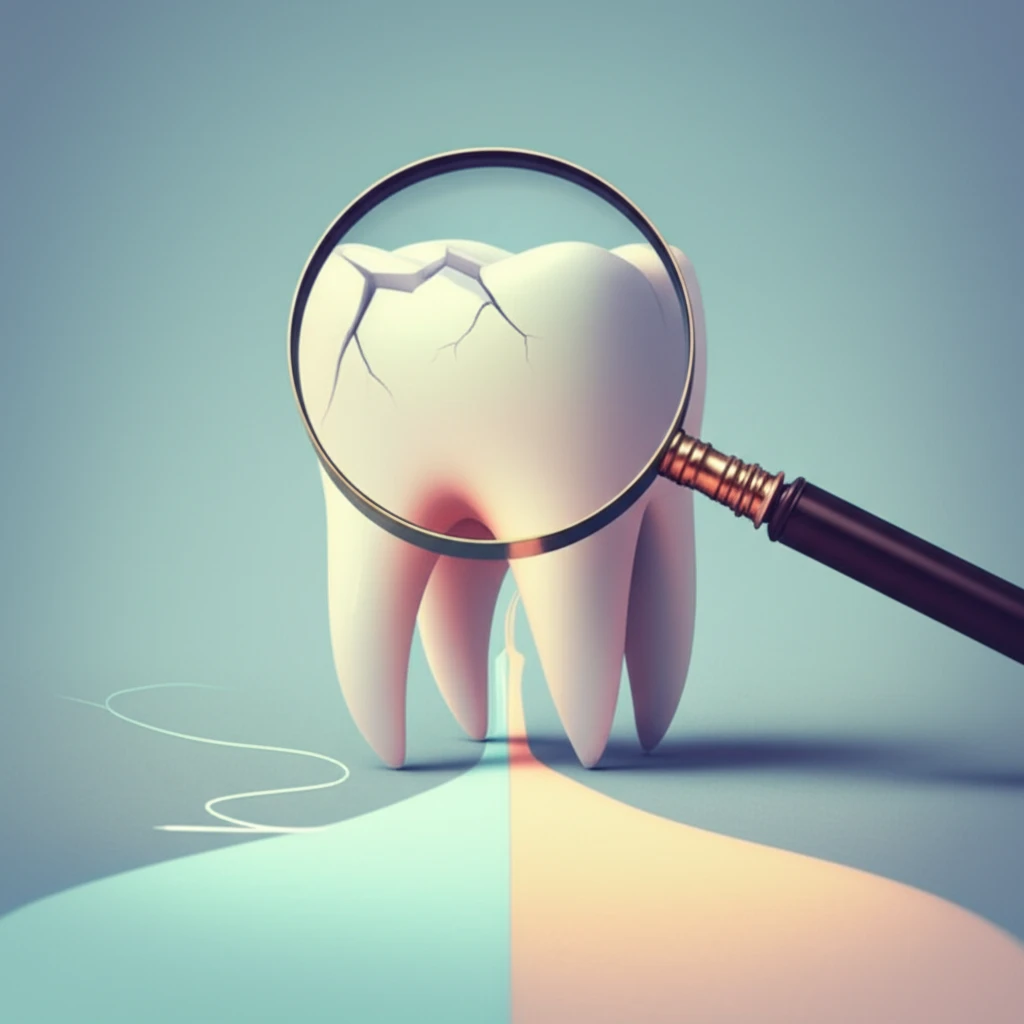
Cracked tooth with diverging paths representing dental treatment options

Dental Fillings Under Scrutiny: Are Minimally Invasive Techniques the Best Choice?

"A new analysis questions the effectiveness of minimally invasive dental treatments compared to full restoration replacement, urging patients to carefully consider their options."


Maintaining good oral health often involves addressing dental issues like cavities and damaged fillings. When faced with these problems, patients are typically presented with various treatment options, ranging from minimally invasive techniques (MITs) to complete restoration replacements. The decision-making process can be overwhelming, as each approach has its own set of advantages and disadvantages.

Minimally invasive techniques, such as sealing or repairing defective restorations, have gained popularity due to their perceived benefits of preserving natural tooth structure and reducing discomfort. However, a recent systematic review has raised concerns about the long-term effectiveness of these techniques compared to more comprehensive restoration replacements.

This article delves into the findings of this critical analysis, exploring the limitations of minimally invasive approaches and providing valuable insights for patients seeking the best course of treatment for their dental health. Understanding the nuances of these options is crucial for making informed decisions and ensuring the longevity of your smile.

The Great Debate: Minimally Invasive vs. Full Replacement

Cracked tooth with diverging paths representing dental treatment options

When a filling fails or a tooth develops a new cavity, dentists often consider two primary approaches: minimally invasive techniques (MITs) and complete restoration replacement. MITs aim to repair or seal the existing restoration, preserving as much of the original tooth structure as possible. On the other hand, complete restoration replacement involves removing the old filling and any decay, then placing a brand-new filling.

The choice between these options depends on several factors, including the extent of the damage, the location of the tooth, and the patient's overall oral health. While MITs may seem appealing due to their less invasive nature, it's crucial to understand their potential limitations.

  • Preservation of Tooth Structure: MITs preserve more of the original tooth.
  • Reduced Discomfort: Less invasive procedures typically mean less discomfort.
  • Cost-Effectiveness: MITs can be more affordable in the short term.
  • Long-Term Durability: MITs may not last as long as complete replacements.
  • Effectiveness in Severe Cases: MITs may not be suitable for extensive damage.
A systematic review published in the Journal of Dentistry evaluated the longevity of defective direct restorations treated by minimally invasive techniques versus complete replacement. The review analyzed data from multiple studies involving over 1,000 restorations, concluding that the evidence supporting the superiority of MITs is not sufficient.

Making the Right Choice for Your Smile

Ultimately, the best approach to managing defective dental restorations depends on individual circumstances and a thorough evaluation by a qualified dental professional. While minimally invasive techniques may offer certain advantages, it's essential to consider their potential limitations and discuss all available options with your dentist. By staying informed and actively participating in the decision-making process, you can ensure the longevity and health of your smile.

About this Article -

This article was crafted using a human-AI hybrid and collaborative approach. AI assisted our team with initial drafting, research insights, identifying key questions, and image generation. Our human editors guided topic selection, defined the angle, structured the content, ensured factual accuracy and relevance, refined the tone, and conducted thorough editing to deliver helpful, high-quality information.See our About page for more information.

Everything You Need To Know

1

What are Minimally Invasive Techniques (MITs) in dentistry?

Minimally Invasive Techniques (MITs) in dentistry refer to procedures that aim to repair or seal existing dental restorations instead of completely replacing them. The goal is to preserve as much of the natural tooth structure as possible. Common MITs include sealing defective restorations or repairing them. While MITs offer benefits like preserving tooth structure, reducing discomfort, and potentially lower initial costs, their long-term durability and effectiveness in severe cases are being questioned, particularly when compared to complete restoration replacements.

2

What does complete restoration replacement involve in dental treatment?

Complete restoration replacement involves removing the old filling and any decay, followed by placing a brand-new filling. This approach is often considered when the damage to the existing filling or tooth is extensive. Complete restoration provides a fresh start and can address underlying issues more comprehensively. However, it involves removing more of the natural tooth structure, which is a consideration when comparing it to minimally invasive techniques.

3

What factors determine whether a dentist might recommend Minimally Invasive Techniques (MITs) versus a complete restoration?

The choice between Minimally Invasive Techniques (MITs) and complete restoration replacement depends on factors like the extent of the damage, the tooth's location, and your overall oral health. MITs may be suitable for minor repairs, while complete restoration may be necessary for extensive decay or damage. A dentist will evaluate your specific situation to recommend the most appropriate treatment. Factors such as long-term durability and the potential for the restoration to fail should be taken into consideration.

4

What did the systematic review reveal about Minimally Invasive Techniques (MITs) compared to complete restoration?

A recent systematic review analyzed data from multiple studies, involving over 1,000 restorations, comparing the longevity of defective direct restorations treated by Minimally Invasive Techniques (MITs) versus complete replacement. The review found that the evidence supporting the superiority of MITs isn't conclusive. This suggests that while MITs have their place, they may not always be the best long-term solution compared to complete restoration replacements, especially in certain situations.

5

How can I make an informed decision about choosing between Minimally Invasive Techniques (MITs) and complete restoration for my dental work?

When choosing between Minimally Invasive Techniques (MITs) and complete restoration, it's important to discuss the pros and cons of each approach with your dentist. Consider the extent of the damage, the long-term durability of each option, and your overall oral health. Actively participating in the decision-making process will help you make an informed choice that aligns with your needs and ensures the longevity and health of your smile. Staying informed about the latest research and understanding the potential limitations of each technique is crucial for optimal dental care.

Newsletter Subscribe

Subscribe to get the latest articles and insights directly in your inbox.