
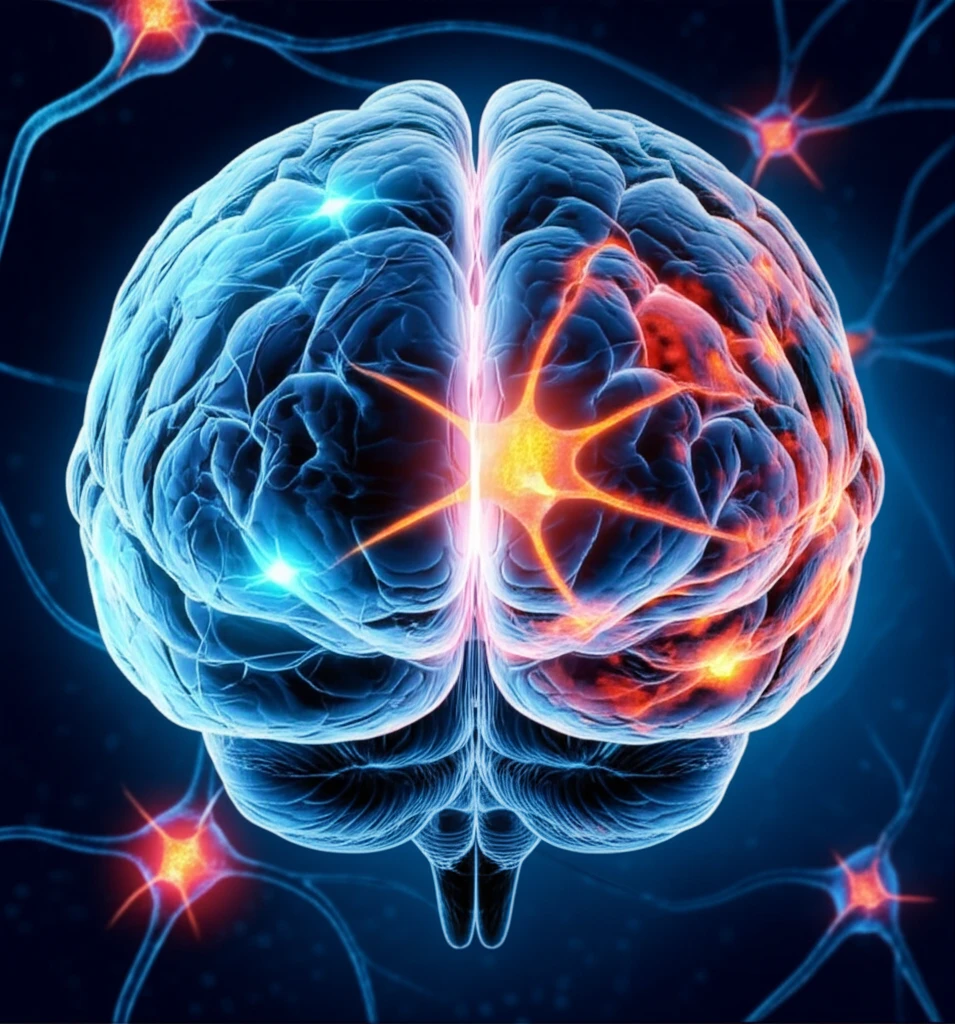
Decoding Brain Inflammation: How Astrocytes Betray the Diseased CNS

"A new study reveals how astrocytes, key brain cells, react in diseased conditions, spotlighting potential targets for neurological therapies."
The brain, a complex network of cells, relies on intricate communication systems to function correctly. Among these cells, astrocytes—star-shaped glial cells—play a crucial role in maintaining brain health, supporting neuronal function, and modulating inflammatory responses. However, in neurological diseases, this carefully orchestrated system can go awry. Recent research has shed light on how astrocytes behave differently in diseased conditions, specifically focusing on the expression of a receptor called CXCR7.
CXCR7, a receptor for the chemokine CXCL12, is involved in various cellular processes, including cell migration, survival, and inflammation. While it was previously thought to act primarily as a silent or scavenging receptor in the brain, new evidence suggests that CXCR7 takes on a more active role in diseased states. This discovery marks a significant shift in our understanding of how brain inflammation and neurological disorders progress.
This article dives into the groundbreaking findings concerning astrocytic expression of CXCR7 in diseased brains, exploring its implications for potential therapeutic interventions. By understanding the unique characteristics of astrocytes in diseased conditions, we can pave the way for innovative treatments targeting neurological disorders.
CXCR7: A Marker of Diseased Brains?
A recent study investigated the expression of CXCR7 and another related receptor, CXCR4, in astrocytes during central nervous system (CNS) development and disease. The researchers compared astrocytic expression of these receptors in healthy brains versus those affected by experimental brain infarcts, spinal cord injuries, Alzheimer's disease, and other conditions. They found a striking increase in astrocytic CXCR7 expression in diseased brains, suggesting it could serve as a hallmark of disease.
- Brain Injuries: Astrocytic CXCR7 expression increases dramatically in the cortex of rats with experimental brain infarcts and spinal cord injuries.
- Alzheimer's Disease: The hippocampus of Alzheimer's patients shows elevated astrocytic CXCR7 expression.
- Specificity: Unlike CXCR7, astrocytic CXCR4 expression does not substantially increase in diseased brains.
Future Directions: Targeting CXCR7 for Therapeutic Benefit
The discovery that astrocytic CXCR7 expression increases significantly in diseased brains opens new avenues for therapeutic intervention. Given its role in cell migration and inflammation, CXCR7 could be a promising target for modulating the astrocytic response to brain injury and disease. By selectively inhibiting or modifying CXCR7 activity in astrocytes, it may be possible to reduce inflammation, promote tissue repair, and improve neurological outcomes.
Further research is needed to fully elucidate the mechanisms by which CXCR7 influences astrocytic behavior in diseased conditions. Understanding how CXCR7 interacts with other signaling pathways and inflammatory mediators could reveal additional therapeutic targets. Moreover, developing specific CXCR7 inhibitors or modulators tailored to astrocytes could minimize off-target effects and maximize therapeutic efficacy.
Ultimately, targeting CXCR7 in astrocytes holds the potential to transform the treatment of neurological disorders characterized by brain inflammation. By harnessing the unique properties of astrocytes in diseased conditions, we can develop innovative therapies that promote brain health and improve the lives of individuals affected by these debilitating conditions.