
Dairy Dilemmas: How Ethiopian Farmers Are Tackling Feed Shortages

"Discover the innovative strategies Jimma's smallholder dairy producers are using to combat feed scarcity and ensure sustainable milk production."
Smallholder dairy farming is gaining popularity, yet Ethiopian dairy farmers face significant hurdles, especially feed shortages which greatly impacts dairy production. A recent study in Jimma, Ethiopia, sheds light on the resourceful ways these farmers are navigating feed scarcity. The study highlights the innovative feed resources, adaptive feeding practices, and strategic coping mechanisms employed by smallholder dairy producers in the region.
Researchers aimed to understand how farmers perceive feed shortages, what types of feed they use, and what strategies they implement when feed is scarce. By examining these practices, this study identifies opportunities for interventions that can enhance the health and productivity of dairy cattle in similar regions.
This article delves into the findings of the study, revealing the diverse feed resources utilized, the common feeding practices, and the inventive strategies farmers employ to keep their dairy operations afloat amidst scarcity. Ultimately, it underscores the need for integrated technological, technical, and institutional innovations to support sustainable dairy farming in the area.
Unveiling the Feed Basket: What Ethiopian Dairy Farmers Use
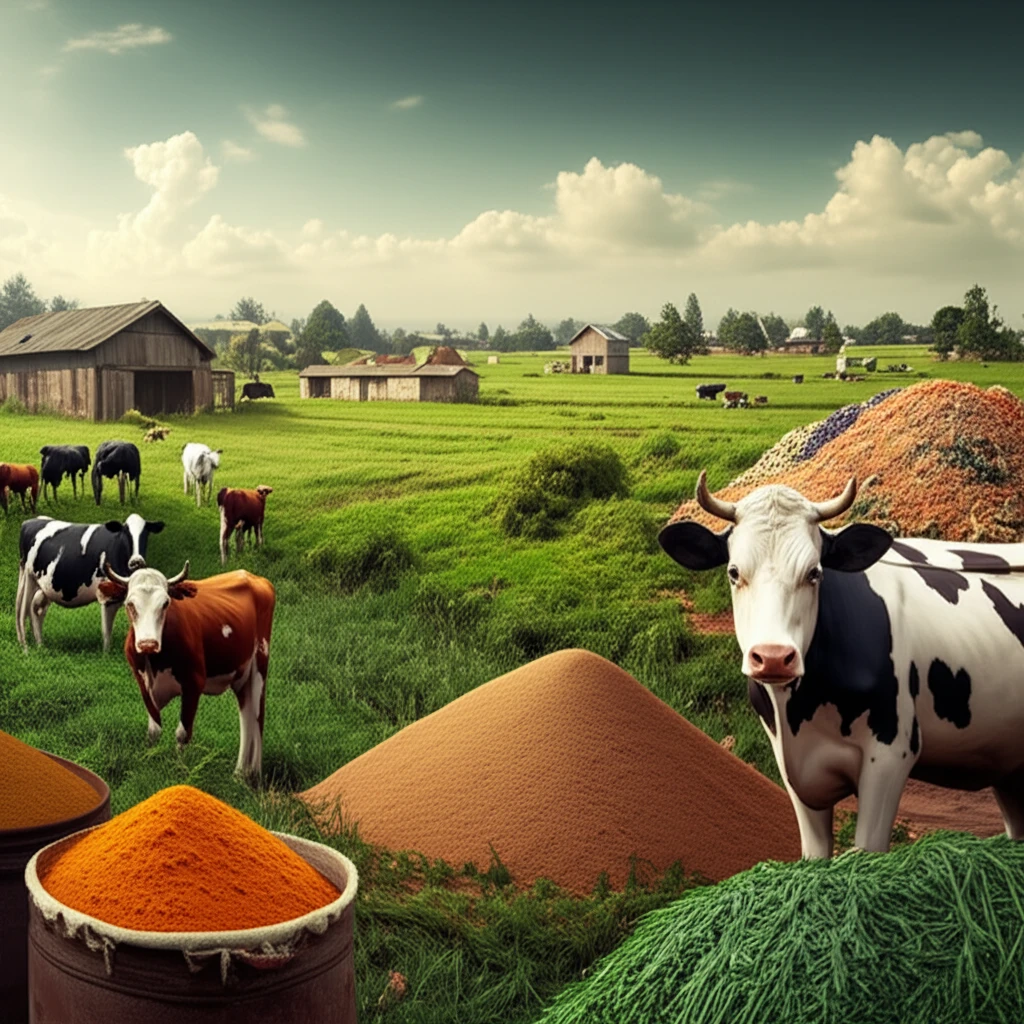
The study identified twenty major feed types, which farmers categorized into five classes: natural pasture grazing, green feeds, hay, concentrate (commercial mix and agro-industrial by-products), and non-conventional feed resources. The ranking of these resources revealed interesting priorities:
- Green feeds (fresh grasses and legumes): Ranked highest in importance (mean rank = 0.361), with 94.4% of farmers using it as the main basal diet for their cattle.
- Concentrates: Followed green feeds in importance (0.256).
- Hay: Occupied the third position (0.198).
- Non-conventional Feeds: Held a significant place (0.115).
- Natural Pasture Grazing: Ranked lowest (0.070).
Innovate or Stagnate: The Path Forward for Jimma's Dairy Farmers
The study clearly indicates that feed scarcity is a pressing issue for smallholder dairy producers in Jimma, primarily due to land constraints. However, their creative use of available resources and adaptive strategies demonstrates resilience and a willingness to innovate.
To ensure the long-term viability of dairy farming in the region, technological, technical, and institutional innovations are essential. This includes:
Government support in allocating land for feed production, promoting the use of tree legume forages, improving hay conservation and storage, and optimizing the utilization of locally available crop residues. By addressing these challenges, we can empower Jimma's dairy farmers to thrive, ensuring a sustainable supply of milk and improving livelihoods.