
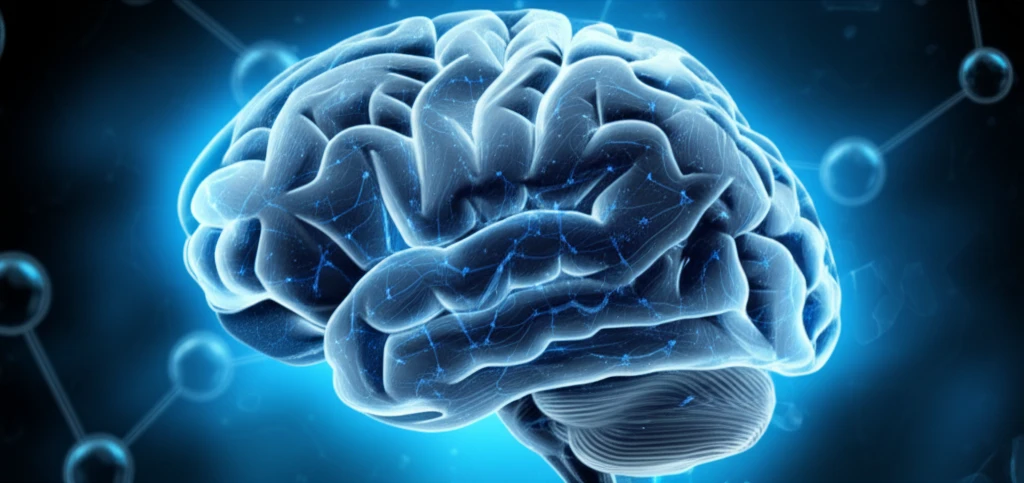
Brain with D-dimer pattern, symbolizing TBI biomarker

D-Dimer: Your Brain Injury Barometer?

"A simple blood test could revolutionize how we detect structural damage after mild head trauma."


Traumatic brain injuries (TBIs) are a serious concern, especially when they're mild. Emergency rooms see plenty of these cases, and doctors often rely on CT scans to check for damage. However, CT scans use radiation, which isn't ideal, especially for kids and pregnant women. Plus, not every place has easy access to CT scans.

That's why researchers are hunting for blood markers that can quickly and safely spot problems after a mild TBI. A recent study has zeroed in on D-dimer, a substance in your blood that might just be the biomarker we've been waiting for. It's routinely measured in hospitals, so no additional hurdles or equipment needs to be added.

Let's dive into what this study reveals about D-dimer and how it could change the way we handle mild TBIs, ensuring quicker and safer care for everyone.

D-dimer: A Clue to Hidden Brain Damage?

Brain with D-dimer pattern, symbolizing TBI biomarker

The big question: Can a simple blood test reveal if there's structural damage in a mild TBI? To find out, researchers looked at 73 patients with mild TBIs. These patients were checked for structural issues using CT scans and MRIs.

The researchers measured levels of D-dimer, along with other blood markers. The goal was to see if any of these markers could accurately predict which patients had structural problems in their brain.

  • What is D-dimer? D-dimer is produced when blood clots break down. Elevated levels often mean the body is trying to dissolve clots, indicating some sort of clotting activity.
  • Why is it Important in TBIs? After a TBI, the body can start clotting in response to tissue damage. So, D-dimer levels might reflect the extent of this damage.
The results were striking: D-dimer was the only significant independent risk factor. Patients with structural issues had much higher D-dimer levels (3.6 µg/ml) compared to those without (0.8 µg/ml). This finding suggests that D-dimer could be a reliable indicator of structural damage after a mild TBI.

The Future of TBI Assessment

This study highlights the potential of D-dimer as a valuable tool in managing mild TBIs. By using a simple blood test, doctors could better decide who needs a CT scan, reducing unnecessary radiation exposure and healthcare costs. More studies with larger groups are needed to confirm these findings, but the future looks promising for safer, quicker TBI assessments.

About this Article -

This article was crafted using a human-AI hybrid and collaborative approach. AI assisted our team with initial drafting, research insights, identifying key questions, and image generation. Our human editors guided topic selection, defined the angle, structured the content, ensured factual accuracy and relevance, refined the tone, and conducted thorough editing to deliver helpful, high-quality information.See our About page for more information.

Everything You Need To Know

1

What is D-dimer and why is it relevant in the context of mild traumatic brain injuries (TBIs)?

D-dimer is a substance produced when blood clots break down within the body. In the context of mild TBIs, D-dimer becomes significant because the body initiates clotting in response to tissue damage caused by the injury. Therefore, elevated D-dimer levels can potentially reflect the extent of damage to the brain after a mild TBI. This makes D-dimer a promising biomarker for assessing the severity of these injuries, offering a simpler alternative to methods like CT scans.

2

How does the use of D-dimer compare to CT scans in the assessment of mild TBIs?

Currently, CT scans are frequently used to check for structural damage after mild TBIs. However, CT scans expose patients to radiation, which isn't ideal, especially for children and pregnant women. Furthermore, access to CT scanners isn't always readily available. In contrast, D-dimer is measured through a simple blood test, routinely performed in hospitals, eliminating the need for additional equipment or radiation exposure. This makes D-dimer a safer and potentially more accessible alternative, allowing doctors to make more informed decisions about when a CT scan is truly necessary.

3

Can D-dimer accurately predict structural damage in patients with mild TBIs?

Yes, a recent study suggests that D-dimer can accurately predict structural damage in patients with mild TBIs. The study compared D-dimer levels in patients who had mild TBIs. Researchers found that patients with structural issues, as identified by CT scans and MRIs, exhibited significantly higher D-dimer levels (3.6 µg/ml) compared to those without structural damage (0.8 µg/ml). This makes D-dimer a reliable indicator of structural damage after a mild TBI.

4

What are the potential benefits of using D-dimer in the assessment of mild TBIs?

Using D-dimer in the assessment of mild TBIs offers several potential benefits. Firstly, it could reduce the need for CT scans, thereby lowering exposure to radiation and healthcare costs. Secondly, it could lead to quicker assessments, as blood tests are typically faster to perform and yield results compared to imaging techniques like CT scans. Finally, it can improve access to assessment for patients in areas with limited access to advanced imaging equipment. All these factors contribute to safer, more efficient, and more accessible care for individuals who have suffered mild TBIs.

5

What further research is needed regarding D-dimer and its application in mild TBIs?

While the study results are promising, more research with larger groups of patients is needed to confirm the findings. Further studies will help validate the reliability and accuracy of D-dimer as a standard tool in assessing mild TBIs. Moreover, researchers should focus on establishing specific D-dimer level thresholds that correlate with different degrees of structural damage, providing clear guidelines for clinical decision-making. Investigating the optimal timing for D-dimer measurement after a mild TBI could also refine its clinical utility.

Newsletter Subscribe

Subscribe to get the latest articles and insights directly in your inbox.