
Could Your Flu Shot Trigger Psoriasis? What You Need to Know

"Uncover the surprising link between the H1N1 vaccine and new-onset guttate psoriasis, empowering you with knowledge and proactive health strategies."
Since the H1N1 influenza vaccine's introduction in 2009, various adverse events, both serious and non-serious, have been documented. These reactions typically include pain, redness, tenderness, and hardening at the injection site, which usually subside within a few days following the vaccination.
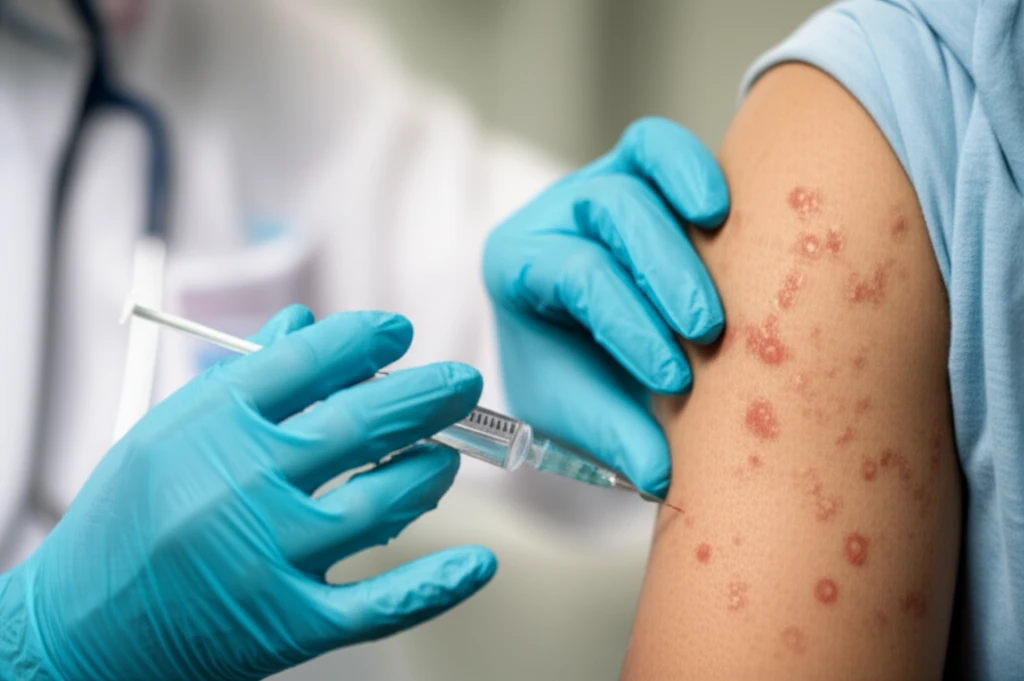
However, a recent study has brought to light a less common but noteworthy reaction: the onset of guttate psoriasis. This skin condition is characterized by small, scaly, red or pink, teardrop-shaped spots on the skin. While the connection is rare, understanding the potential link between the H1N1 vaccine and psoriasis can empower individuals to make informed decisions about their health.
This article delves into the details of a specific case study where a 26-year-old woman developed guttate psoriasis following the H1N1 vaccine. We will explore the symptoms, diagnosis, treatment, and potential reasons behind this unexpected reaction.
The Case: New Onset Guttate Psoriasis Following Pandemic H1N1 Influenza Vaccination
In a documented case, a 26-year-old woman developed multiple erythematous, scaly macules on her extremities and trunk after receiving an inactivated split-virus influenza A/H1N1 vaccine without adjuvant (Greenflu-SⓇ).
- Symptoms: Multiple small, scaly, red or pink spots on the skin, mainly on the trunk and extremities.
- Diagnosis: Physical examination and skin biopsy to confirm the presence of psoriatic features.
- Treatment: Topical steroids and ultraviolet B (UVB) phototherapy to manage the skin lesions.
- Outcome: Successful treatment within three weeks with no relapse during the 14-month follow-up period.
Takeaway: Weighing the Benefits and Risks
While this case highlights a potential association between the H1N1 vaccine and guttate psoriasis, it's essential to maintain perspective. The incidence of such reactions remains rare, and the benefits of influenza vaccination in preventing severe illness and complications far outweigh the risks for most individuals. If you have concerns about psoriasis or other potential vaccine reactions, consult with your healthcare provider to make informed decisions based on your individual health profile.