
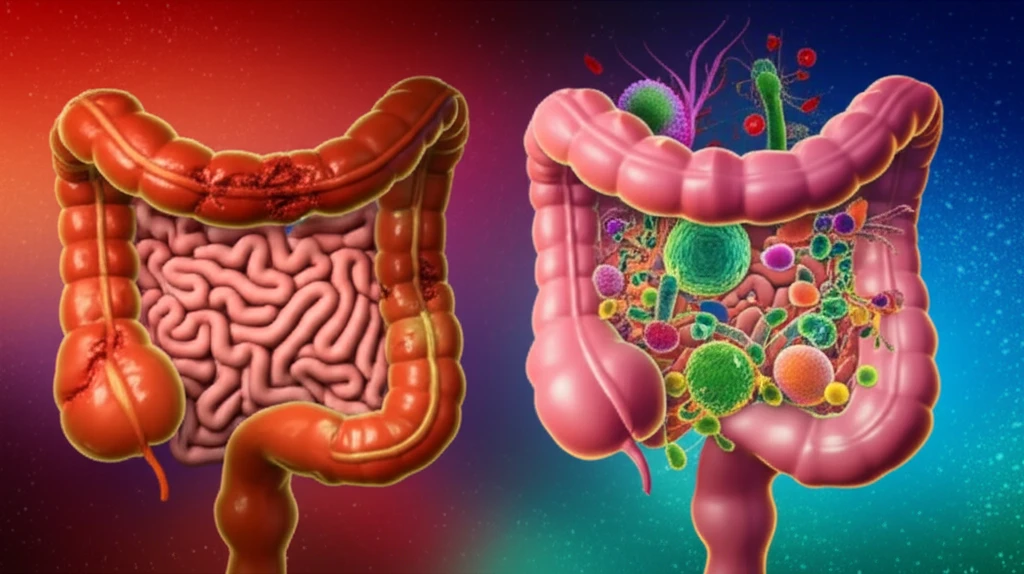
Could Your Colon Cleansing Routine Be Doing More Harm Than Good?

"New research highlights the dangers of hydrogen peroxide enemas and their link to oxidative stress and colitis."
For years, hydrogen peroxide (H₂O₂) enemas were touted as a remedy for constipation and impacted fecal matter. While the idea of a powerful cleansing agent might seem appealing, a growing body of evidence reveals a darker side to this practice. Serious cases of colitis, some even fatal, have been linked to the use of H₂O₂ in the colon.
The concern isn't just about high concentrations either. Even small amounts of hydrogen peroxide, inadvertently introduced during endoscopic procedures, have triggered outbreaks of colitis. This raises critical questions about the safety of routine colon cleansing methods and the potential for oxidative stress to damage the delicate intestinal lining.
This article will explore the findings of a study investigating the impact of hydrogen peroxide enemas on the colon, shedding light on the mechanisms of damage and offering insights into safer approaches to gut health.
The Hydrogen Peroxide Connection: How It Damages Your Colon
The study, conducted on rats, aimed to evaluate the levels of lipid peroxidation – a process where cell membranes are damaged by free radicals – in the colon after exposure to H₂O₂ enemas. Researchers created a model where a section of the colon was isolated from the normal flow of fecal matter to better understand the direct effects of the hydrogen peroxide.
- Oxidative Stress: H₂O₂ causes an imbalance, leading to damage.
- Lipid Peroxidation: This process damages cell membranes.
- Intestinal Barrier Disruption: The protective lining is compromised.
Rethinking Colon Cleansing: Safer Alternatives for a Healthy Gut
The research underscores the importance of caution when considering colon cleansing routines, particularly those involving hydrogen peroxide. While the intention may be to promote gut health, the potential for oxidative stress and intestinal damage is a serious concern.
So, what are some safer and more effective ways to support a healthy colon? Focus on nourishing your gut microbiome with a balanced diet rich in fiber, prebiotics, and probiotics. Fermented foods like yogurt and kimchi can introduce beneficial bacteria, while fiber-rich foods like fruits, vegetables, and whole grains provide fuel for those bacteria to thrive. Staying adequately hydrated and managing stress are also crucial for overall gut health.
Always consult with a healthcare professional before starting any new colon cleansing routine. They can help you assess your individual needs and recommend evidence-based strategies that are safe and effective for your unique situation. A healthy gut is essential for overall well-being, but it's important to approach cleansing with caution and prioritize methods that support, rather than damage, this delicate ecosystem.