
Could This Simple Mineral Combo Be the Key to Stronger Teeth?

"Research shows how Casein Phosphopeptide-Amorphous Calcium Phosphate (CPP-ACP) fights plaque, strengthens enamel, and could revolutionize dental care."
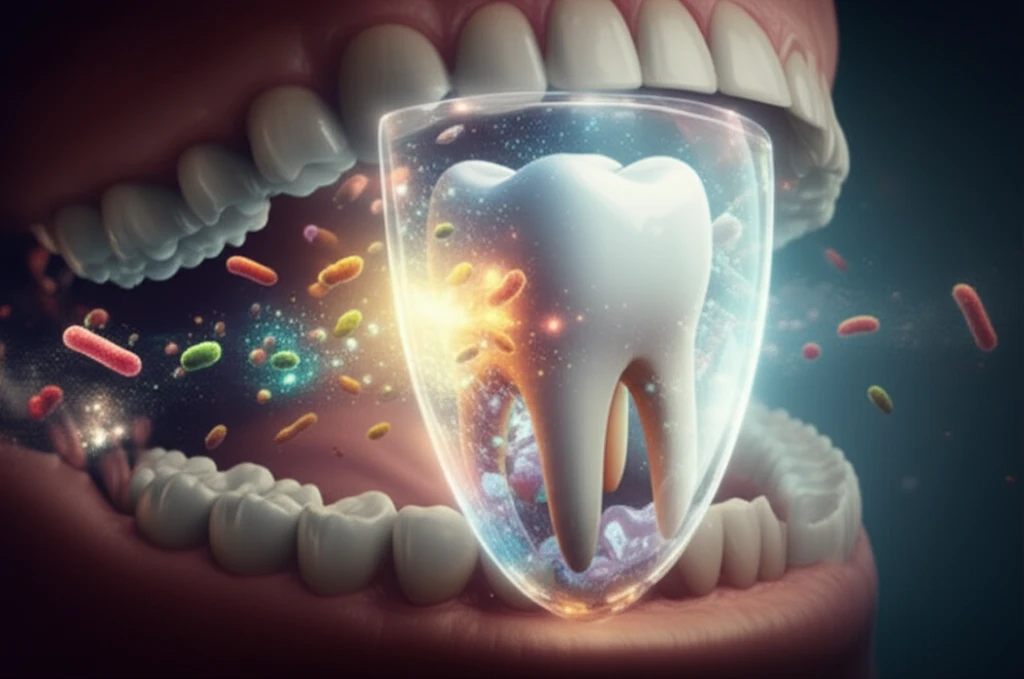
Dental caries, more commonly known as tooth decay, stands as one of the most widespread chronic diseases globally. This condition arises from the intricate interplay between bacterial biofilms (dental plaque) on the tooth surface and the fermentation of dietary sugars. When we consume sugary foods, bacteria in our mouths produce organic acids that demineralize the tooth structure, leading to cavities.
While various bacteria contribute to this process, Streptococcus mutans is identified as a primary culprit due to its ability to thrive in acidic environments and produce high levels of acid. Traditional treatments often involve fluoride and meticulous oral hygiene. However, emerging research is exploring innovative approaches, focusing on casein phosphopeptide-amorphous calcium phosphate (CPP-ACP) – a compound showing promise in preventing and reversing early tooth decay.
Glass ionomer cements (GIC) are dental materials used for remineralizing teeth. The purpose of the study was to see the benefits of the combination of Casein Phosphopeptide-Amorphous Calcium Phosphate (CPP-ACP) with Glass Ionomer Cements (GIC) in restorative dentistry. The study wanted to determine its effectiveness against oral bacteria, S. mutans, and the development of dental plaque (biofilm).
The Science Behind CPP-ACP and Its Impact on Dental Health
Casein phosphopeptide-stabilized amorphous calcium phosphate (CPP-ACP) functions like a biomimetic, meaning it mimics natural biological processes. In this case, CPP-ACP replicates the protective qualities of saliva. Saliva is naturally rich in calcium and phosphate ions, which are essential for maintaining tooth enamel. CPP-ACP delivers these vital minerals in a bioavailable form, effectively inhibiting demineralization and promoting the remineralization of early caries lesions. This process helps to rebuild and strengthen weakened enamel, reversing the initial stages of tooth decay.
- In Vitro Studies: Laboratory experiments demonstrate CPP-ACP's ability to remineralize enamel subsurface lesions.
- In Situ Studies: Research within the oral environment confirms CPP-ACP's effectiveness in real-world conditions.
- In Vivo Studies: Clinical trials on human subjects showcase the tangible benefits of CPP-ACP in preventing and reversing early tooth decay.
Future of Dental Care: CPP-ACP and the Fight Against Tooth Decay
CPP-ACP shows promise to change dental health. The data shows incorporating CPP-ACP into GIC dramatically reduces S. mutans biofilm. Furthermore, using CPP-ACP alongside normal dental treatment could protect against S. mutans. With further research, expect for more innovative ways to prevent tooth decay and encourage healthy smiles for future generations.