
Chagas Disease: A Deep Dive into the Past, Present, and Future

"Unveiling the Mysteries of a Neglected Tropical Disease: From Discovery to Modern Challenges"
Chagas disease, a parasitic illness, continues to pose a significant health challenge, particularly in Latin America. Named after Carlos Chagas, the Brazilian physician who discovered it in 1909, this disease has a rich and complex history. With its origins in the wild cycles of nature, Chagas disease has evolved alongside human activities, presenting unique challenges in the modern world.
This article provides a detailed overview of Chagas disease, tracing its journey from its initial discovery to current-day efforts to control its spread. We'll examine the intricacies of its transmission cycles, the vectors involved, and the impact on both endemic and non-endemic regions. This includes in-depth analysis of how the disease is managed, and the problems migration brings to the global fight against the disease.
As we journey through this analysis, we aim to offer a clear understanding of this complex disease, its historical context, and the ongoing efforts to address it. This will include how the disease has been monitored, what the ongoing threats are, and a view of the long-term strategies in place. Our intention is to shed light on the significance of understanding and combating Chagas disease globally.
Unearthing the Roots: A Historical Journey of Chagas Disease
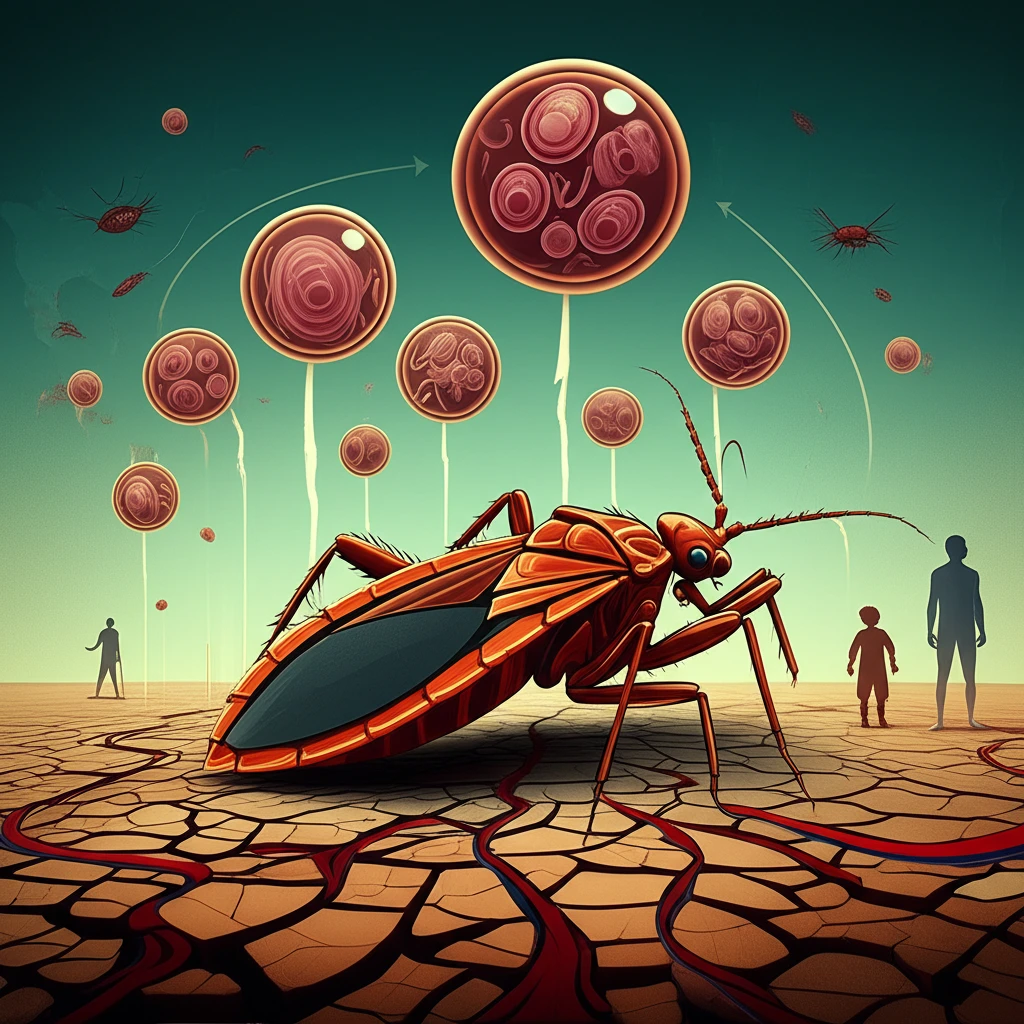
The story of Chagas disease begins in the wild, with cycles between triatomine insects and wild animals. Scientific research has revealed the ancient presence of the disease, with evidence found in mummies dating back thousands of years. The disease's transition from wild to domestic cycles is intertwined with human activities, such as deforestation and the expansion of agriculture. These shifts have brought the disease closer to human populations.
- Wild Cycle: Enzootic in nature, involving triatomines and wild mammals.
- Peridomestic Cycle: Emerges with deforestation and agricultural expansion, involving animals near human dwellings.
- Domestic Cycle: Established when triatomines colonize homes, leading to human infections.
The Path Forward: Controlling and Preventing Chagas Disease
The challenge of Chagas disease requires a sustained, global approach. This approach involves addressing the disease at its root, from understanding its origins and cycles to implementing comprehensive strategies for control and prevention. Increased awareness, effective vector control, and the development of new diagnostics and treatments are all essential to combat this illness. As Chagas disease evolves in response to human activities and migration, the global community must work to develop adaptable and sustainable measures to protect those at risk.