
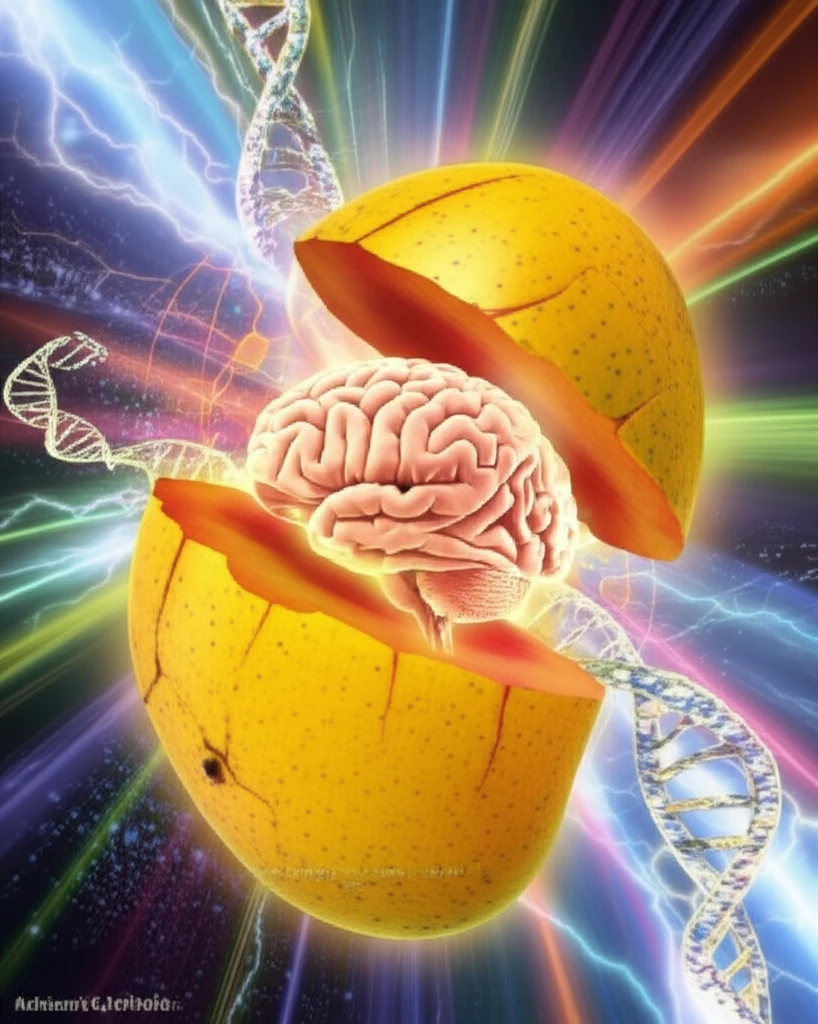
Can Mangiferin Make Radiation Therapy More Effective for Brain Tumors?

"New research explores how mangiferin, a natural compound, could enhance the effects of radiation therapy in treating glioblastoma by targeting DNA repair mechanisms."
Glioblastoma multiforme (GBM) is a highly aggressive brain cancer with limited treatment options. While surgery and radiation are standard treatments, they often only provide temporary relief due to the cancer's high rate of recurrence. Researchers are constantly seeking new ways to improve the effectiveness of these treatments and extend the lives of patients.
One promising area of research focuses on DNA repair mechanisms within cancer cells. Cancer cells are more resistant to radiation therapy if they can efficiently repair the DNA damage caused by radiation. Scientists are exploring ways to inhibit these repair mechanisms, making cancer cells more vulnerable to radiation.
A recent study investigated the potential of mangiferin, a natural compound found in mangoes, to enhance the effects of radiation therapy in glioblastoma cells. Mangiferin has known anti-inflammatory and antioxidant properties. The study looked specifically at how mangiferin affects DNA repair in glioblastoma cells, with encouraging results.
How Mangiferin Impacts DNA Repair in Glioblastoma Cells
The study's in vitro experiments showed that mangiferin decreased the proliferation of glioblastoma cells and increased DNA damage when combined with radiation. This suggests that mangiferin makes these cells more susceptible to the effects of radiation. Further investigation revealed that mangiferin specifically inhibits the non-homologous end-joining (NHEJ) pathway, a major DNA double-strand break (DSB) repair mechanism.
- Mangiferin decreases glioblastoma cell proliferation.
- Mangiferin increases DNA damage in cancer cells post-radiation.
- Mangiferin inhibits the NHEJ DNA repair pathway.
- Mangiferin impairs key proteins in the NHEJ pathway.
The Future of Mangiferin in Glioblastoma Therapy
These findings suggest that mangiferin may be a novel therapeutic drug for improving the radiation sensitivity of glioblastoma. While more research is needed to fully understand its mechanisms and potential side effects, mangiferin holds promise as an adjunctive therapy to enhance the effectiveness of radiation treatment for this challenging cancer. As research continues, mangiferin could pave the way for new treatment strategies, offering hope for improved outcomes and a better quality of life.