
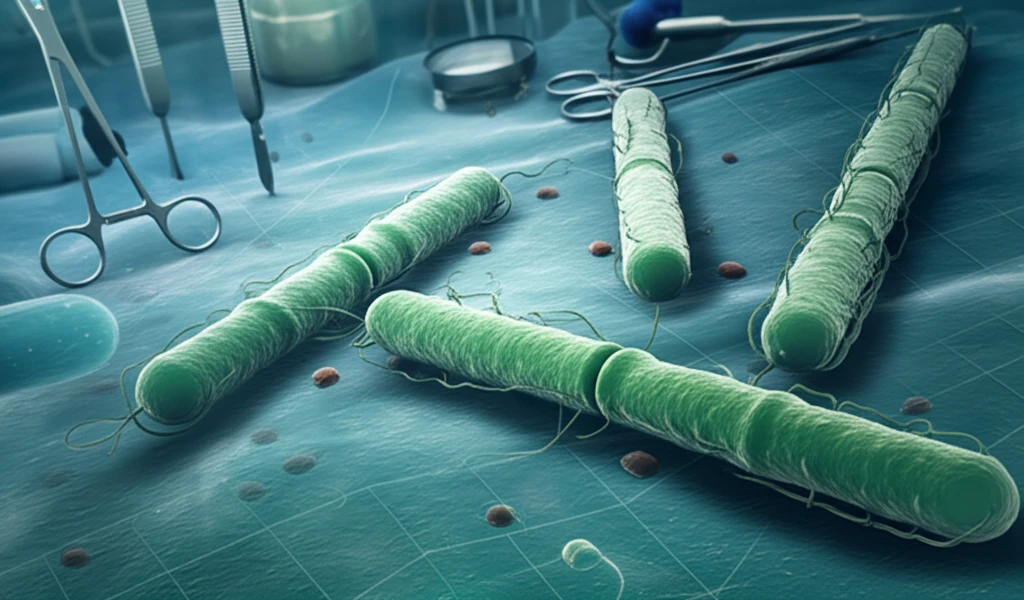
C. Difficile: How to Protect Yourself from This Surgical Complication

"Discover the increasing risks of Clostridium difficile infections after surgery and learn essential prevention strategies to safeguard your health."
In recent years, Clostridium difficile infection (CDI), commonly known as C. difficile, has become an increasingly significant concern worldwide. This bacterium can cause severe diarrhea and colitis, especially after a course of antibiotics disrupts the normal gut flora. The rise of more virulent strains has only amplified the risks, increasing both morbidity and mortality associated with the infection.
Surgical patients, particularly those undergoing gastrointestinal procedures or solid organ transplants, face a heightened risk of CDI. The vulnerability stems from several factors, including pre-existing health conditions, prolonged hospital stays, broad-spectrum antibiotic use, and immunosuppressive therapies. Recognizing these risks is the first step in protecting yourself.
This article delves into the complexities of C. difficile infections in surgical settings, providing you with essential information to understand, prevent, and manage this potential complication. We'll explore the key risk factors, diagnostic approaches, treatment options, and practical prevention strategies, empowering you to take control of your health and ensure a safer surgical journey.
What Makes C. Difficile So Risky After Surgery?
Several factors contribute to the increased risk of Clostridium difficile infection (CDI) following surgical procedures. Understanding these can help patients and healthcare providers take proactive measures.
- Antibiotic Use: Broad-spectrum antibiotics, frequently administered to prevent post-surgical infections, can disrupt the natural balance of bacteria in the gut, creating an opportunity for C. difficile to flourish.
- Prolonged Hospital Stays: Extended stays in healthcare facilities increase exposure to the bacterium, raising the likelihood of colonization.
- Older Age: Elderly individuals often have weakened immune systems and are more susceptible to infections, including CDI.
- Immunosuppression: Patients with compromised immune systems, whether due to underlying conditions or medications, are at greater risk.
- Gastrointestinal Surgery: Procedures involving the gastrointestinal tract can disturb the gut microbiome, making it easier for C. difficile to take hold.
Protecting Yourself: A Proactive Approach
Clostridium difficile infection poses a significant threat, particularly in the context of surgery. However, with awareness, vigilance, and proactive measures, the risk can be substantially reduced. Understanding the risk factors, recognizing the symptoms, and collaborating closely with your healthcare team are essential steps in ensuring a safe and healthy recovery. By prioritizing prevention and early intervention, you can navigate your surgical journey with confidence and minimize the potential impact of this challenging infection.