
Sepsis Readmission Risks: What You Need to Know

"New research identifies key factors that can lead to repeat hospital visits for sepsis survivors, especially in underserved communities. Learn how to protect yourself and your loved ones."
Sepsis, a life-threatening condition caused by the body's response to an infection, is a major cause of hospitalization and can lead to frequent and costly readmissions. If you or a loved one has survived sepsis, understanding the risks of readmission is crucial for preventing future health crises.
While there's growing research on sepsis readmissions, less is known about the specific challenges faced by medically underserved populations. These communities often rely on safety net hospitals, which provide care regardless of a patient's ability to pay. A new study sheds light on these unique risk factors.
This article will break down the key findings of a recent study conducted at a safety net hospital, identifying the factors that increase the likelihood of sepsis readmission within 30 days. Understanding these risks can empower you to take proactive steps and work with your healthcare providers to improve your health outcomes.
A Heavy Burden That Persists After Discharge
Sepsis survivors carry risks that extend well beyond the initial hospital stay, with many needing to be readmitted in the days and months after discharge. Readmission after a sepsis hospitalization appears to be a common and costly event that affects patients, families, and health systems alike. Because the available research varies in how sepsis, readmissions, and follow-up windows are defined, reported numbers differ, but the overall pattern of elevated risk is consistent. More precise, comparable statistics continue to emerge as larger datasets are analyzed.
How Readmission Risk Is Typically Measured
Researchers typically study sepsis readmissions by following a group of sepsis survivors and counting unplanned returns to hospital within fixed windows such as 30 or 90 days. Administrative and claims-based databases, often combined with clinical records, are among the most common tools used to measure readmissions and identify their causes. A key limitation is that definitions of sepsis, readmission, and follow-up periods vary from study to study, which complicates direct comparison of results. Findings can also be influenced by the care setting and data availability, so current statistics are best treated as estimates rather than exact figures.
From Case Series to Systematic Evidence
A growing body of research has turned sepsis survivor readmissions into a systematically studied topic. One comprehensive systematic review screened evidence from five databases and, after screening, included 51 studies, most of which (46 of 51; 90.2%) investigated adult survivors. Across the included studies, infection or sepsis was reported as the most common readmission reason in 18 of the 21 studies that examined three or more readmission diagnoses in adults. Follow-up work has continued to characterize readmissions by risk factors, underlying causes, readmission timing, and long-term outcomes, and a separate cohort study has explored one-year mortality among survivors readmitted within 30 days of discharge.
Decoding the Risks: Key Factors in Sepsis Readmission
The study, which analyzed 1,355 sepsis survivors, revealed a 22.6% readmission rate within 30 days. This rate is consistent with previous studies, highlighting the ongoing challenge of sepsis readmissions. A significant portion of these readmissions (47%) were due to infections, raising questions about the effectiveness of initial treatment and the potential for new infections.
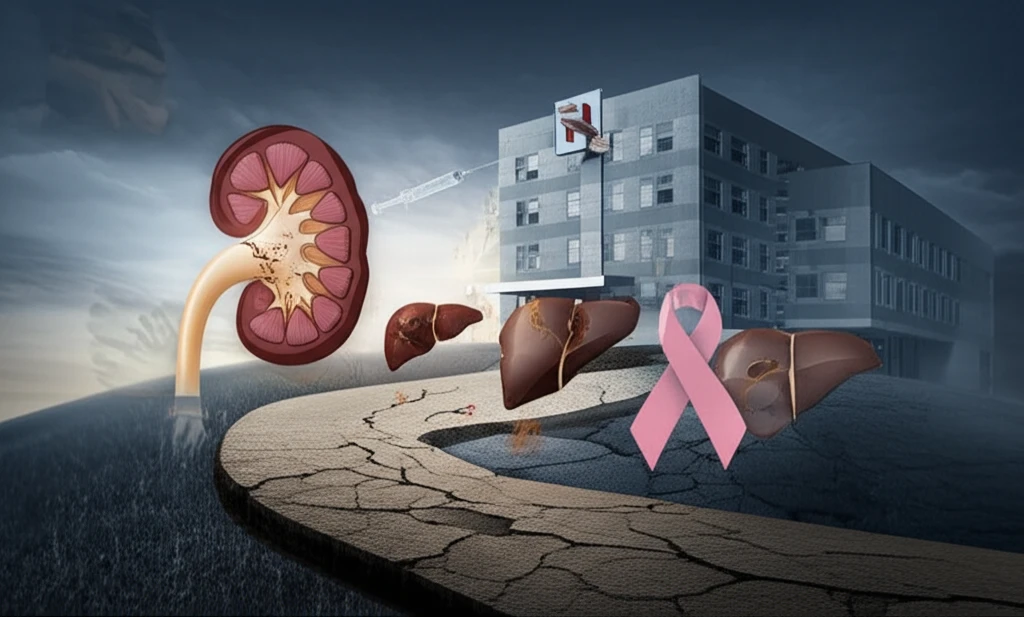
- Pre-existing conditions: Patients with end-stage renal disease (ESRD), malignancy (cancer), and cirrhosis (liver disease) were more likely to be readmitted.
- Bacteremia: The presence of bacteria in the bloodstream during the initial hospitalization increased readmission risk. This suggests that complete eradication of the infection is critical.
- Vascular Catheters: Being discharged with a vascular catheter (used for medication or dialysis) was associated with higher readmission rates. Catheters can be a source of infection if not properly managed.
- Sepsis Severity: Interestingly, less severe sepsis during the initial hospitalization was linked to a slightly reduced risk of readmission. This could be because patients with more severe sepsis receive more intensive monitoring and follow-up care.
Meta-Analysis Lights the Way Forward
Recent work has moved beyond single-center data to pooled estimates. A systematic review and meta-analysis conducted by researchers at Macquarie University's Centre for Health Systems and Safety Research (Australian Institute of Health Innovation) — Khalia Ackermann, Isabelle Lynch, Nanda Aryal, Johanna Westbrook, and Ling Li — reviewed readmission diagnoses and analyzed readmission rates following a sepsis admission. The team searched five databases, grey literature, and selected article reference lists in May and June 2024. The resulting meta-analysis of readmission rates provides one of the clearest pictures yet of how often sepsis survivors return to hospital.
Scrutinizing What Actually Drives Readmission
Not all readmission risk factors are equally well understood, and some research questions whether readmission itself is the core problem. One study, reported in Heart & Lung, set out to determine the demographics and comorbidities documented before sepsis onset, the processes of care, and the commonly administered laboratory tests measured near discharge, along with the post-sepsis infections that may be associated with readmission. As a secondary aim, the study asked whether readmission is an independent risk factor for 90-day mortality. Questions like these matter because they separate risk factors that predict readmission from outcomes that readmission might actually cause.
How Sepsis Compares with Other Readmission Drivers
Sepsis appears to be an outsized contributor to hospital readmissions relative to other common conditions. A study published in JAMA used data from a US readmissions database to assess whether sepsis hospitalizations account for a higher proportion of unplanned 30-day readmissions than hospitalizations for acute myocardial infarction, heart failure, chronic obstructive pulmonary disease, and pneumonia. Supporting work, including a Yale School of Nursing presentation drawing on Bailey et al. (2019) and the Healthcare Cost and Utilization Project, has characterized the features of 30-day all-cause readmissions. Together these analyses position sepsis readmissions as a priority area for prevention and policy.
Taking Control: What You Can Do to Reduce Your Risk
While some risk factors, like pre-existing conditions, can't be eliminated, understanding your individual risk profile is the first step toward prevention. Talk to your doctor about your specific risks and develop a plan to manage them effectively.
What the Evidence Says as a Whole
Taken together, the research points in a consistent direction: sepsis survivors are at meaningful risk of being readmitted, and infection or sepsis itself is among the most commonly reported reasons. The evidence is strongest for the basic patterns and weaker for precise, widely generalizable rates. Clinicians and researchers generally agree that better identification of high-risk patients and stronger transitional care deserve attention. Exactly which interventions will reduce readmissions most effectively remains open, and expert opinion continues to evolve as new data arrive.
Smarter Surveillance and Earlier Detection
The Agency for Healthcare Research and Quality has released a new interactive data resource that illustrates trends in sepsis, covering morbidity and in-hospital mortality, inpatient stays and emergency department utilization, readmissions, post-acute care transitions after hospitalization, and in-hospital deaths. The tool also reports outcomes of sepsis hospitalizations, including length of stay and average and total hospital costs by patient characteristics. In parallel, a recent review in Intensive Care Medicine observes that existing definitions such as the Sepsis-3 criteria emphasize the importance of organ dysfunction, yet early sepsis detection remains a major challenge. Together, better data infrastructure and earlier recognition are seen as core next steps.
The Multisystem Legacy of Sepsis
Readmission is only part of the larger problem sepsis survivors face. A 2025 review in Frontiers in Medicine describes post-sepsis syndrome (PSS) as a multifaceted condition affecting survivors of sepsis, marked by long-term immune dysfunction, cellular alterations, and systemic complications. This multisystem burden helps explain why sepsis survivors frequently cycle back into hospital care rather than recovering cleanly. Recognizing these downstream effects is central to any serious discussion of sepsis readmissions and their prevention.
The Revolving Door of the ICU
Concern about sepsis readmissions is not abstract: the numbers are striking. A meta-analysis reported that 4.7% of sepsis survivors were readmitted for sepsis within 30 days, rising to 16% at one year, and researchers found that infection or sepsis was the most common cause of readmission across all time points. A single-center retrospective study presented in CHEST similarly highlights that sepsis often makes this population vulnerable to frequent readmissions and increased healthcare utilization, aiming to identify high-risk features and patterns among patients admitted for sepsis who require readmission. For patients, families, and clinicians, each readmission represents lost progress, added strain, and a recurring burden on an already stretched system.
Here are some proactive steps you can take:
<ul><li><b>Optimize chronic disease management:</b> Work closely with your healthcare team to manage conditions like ESRD, malignancy, and cirrhosis.</li><li><b>Prevent infections:</b> Practice good hygiene, get vaccinated, and seek prompt treatment for any signs of infection.</li><li><b>Careful catheter management:</b> If you have a vascular catheter, follow your doctor's instructions for care and monitoring, and report any signs of infection immediately.</li><li><b>Ensure adequate follow-up:</b> Make sure you have a clear plan for follow-up appointments and medication management after discharge from the hospital.</li></ul>