
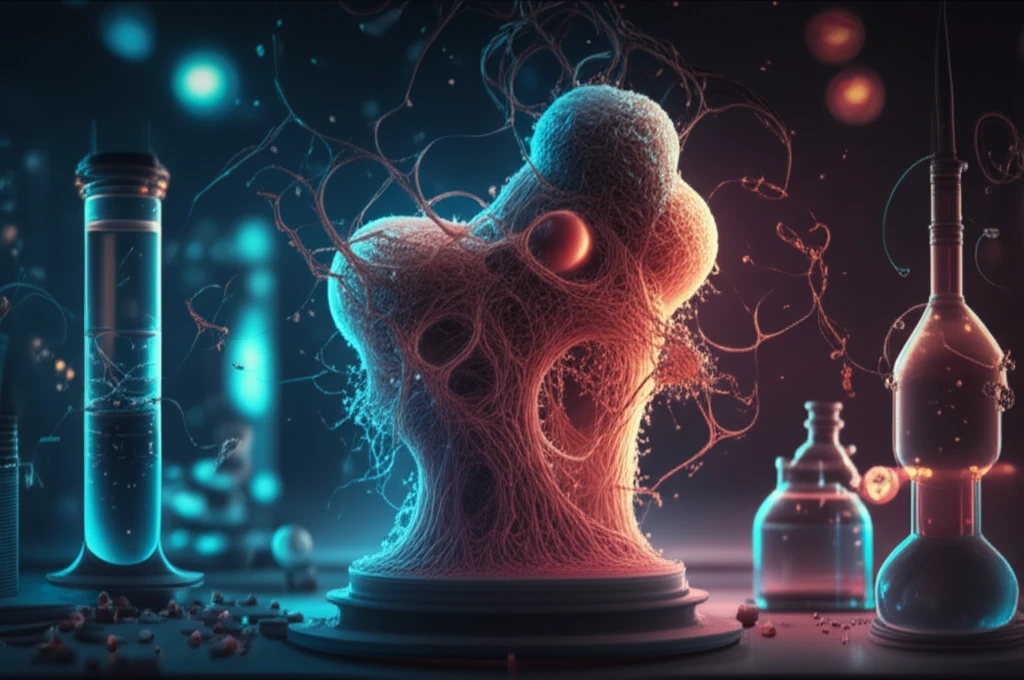
Illustration of an osteoblast cell building bone in a laboratory setting. The image is representing bone tissue engineering process

Building Stronger Bones: The Future of Tissue Engineering and Osteoblast Power

"From the Lab to You: How Scientists are Revolutionizing Bone Repair and Regeneration with Osteoblasts"


Bone health is a cornerstone of our overall well-being, providing structural support, enabling movement, and protecting vital organs. Yet, conditions like fractures, osteoporosis, and bone defects can significantly impact quality of life, limiting mobility and causing chronic pain. Thankfully, a new frontier in medicine, known as bone tissue engineering, is offering innovative solutions to these challenges, and at the heart of this revolution are osteoblasts, the body's natural bone-building cells.

This article delves into the fascinating world of osteoblasts and their critical role in bone tissue engineering. We'll explore how these specialized cells are utilized to repair and regenerate bone, offering hope for those suffering from bone loss or injury. From the latest research to potential future applications, we will unravel the science behind this groundbreaking field.

Prepare to be amazed by the possibilities that bone tissue engineering holds, and understand how scientists and researchers are working tirelessly to create a future where bone repair is faster, more effective, and tailored to individual needs. Whether you're a patient, a healthcare professional, or simply curious about medical advancements, this exploration will provide you with a comprehensive understanding of this transformative field.

Osteoblasts: The Bone-Building Powerhouses and Their Function

Illustration of an osteoblast cell building bone in a laboratory setting. The image is representing bone tissue engineering process

Osteoblasts are specialized cells responsible for creating new bone tissue. These cells are derived from mesenchymal stem cells (MSCs), which can differentiate into various cell types, including bone cells. Osteoblasts synthesize and secrete the extracellular matrix (ECM), which is the framework of bone. The ECM is composed of collagen, proteins, and minerals, which provides the structure and strength of bone. They also play a critical role in bone remodeling, a continuous process of bone formation and resorption that maintains bone health.

Think of osteoblasts as the construction workers of your skeletal system, constantly working to build, maintain, and repair your bones. Their ability to form new bone tissue makes them essential for addressing bone-related injuries and diseases. The effectiveness of bone tissue engineering is due to their ability to produce the necessary components for healthy bone growth.

  • Production of ECM: Osteoblasts create and deposit the ECM, which gives bone its structure.
  • Mineralization: They regulate the mineralization process, which hardens the ECM to form bone.
  • Bone Remodeling: Osteoblasts help with the constant renewal of bone tissue, maintaining its health and strength.
  • Wound Healing: Osteoblasts help with bone fracture repair.
The use of osteoblasts in tissue engineering offers a promising approach to bone regeneration. Scientists can isolate osteoblasts from a patient's own bone marrow or other sources, grow them in the lab, and then seed them onto a biocompatible scaffold. The scaffold acts as a framework that supports cell growth and new bone formation. This innovative technique aims to provide a personalized and effective treatment for bone defects, fractures, and other skeletal problems.

The Future of Bone Health: A World of Possibilities

As research progresses, bone tissue engineering and the use of osteoblasts will continue to evolve, offering improved treatments for bone-related conditions. While challenges remain, the future holds tremendous promise for patients and healthcare professionals. With ongoing innovations, this cutting-edge field is poised to significantly improve bone health, offering new hope and possibilities. The dedication of researchers, along with the remarkable capabilities of osteoblasts, will undoubtedly revolutionize the way we approach bone repair and regeneration, leading to healthier and more active lives for millions worldwide.

About this Article -

This article was crafted using a human-AI hybrid and collaborative approach. AI assisted our team with initial drafting, research insights, identifying key questions, and image generation. Our human editors guided topic selection, defined the angle, structured the content, ensured factual accuracy and relevance, refined the tone, and conducted thorough editing to deliver helpful, high-quality information.See our About page for more information.

Everything You Need To Know

1

What exactly are osteoblasts and why are they important for bone health?

Osteoblasts are specialized cells responsible for creating new bone tissue. They originate from mesenchymal stem cells (MSCs) and are crucial for synthesizing and secreting the extracellular matrix (ECM), which forms the structural framework of bone. Osteoblasts also regulate the mineralization process that hardens the ECM. Their ongoing work in bone remodeling is essential for maintaining bone health and strength, and their ability to form new bone tissue is vital for repairing bone-related injuries and diseases. Without osteoblasts, our bodies wouldn't be able to build, maintain, or repair bone effectively, leading to weakened skeletal structures and increased vulnerability to fractures and other bone disorders.

2

How are osteoblasts used in bone tissue engineering to help repair damaged bones?

In bone tissue engineering, osteoblasts are isolated from a patient's bone marrow or other sources. These cells are then grown in a lab and seeded onto a biocompatible scaffold, which acts as a framework supporting cell growth and new bone formation. This technique aims to provide a personalized and effective treatment for bone defects, fractures, and other skeletal problems. By using the patient's own cells, the risk of rejection is minimized, and the new bone tissue is more likely to integrate seamlessly with the existing bone. Future research could explore optimizing scaffold materials and culture conditions to further enhance osteoblast activity and bone regeneration.

3

What is the extracellular matrix (ECM) and what role do osteoblasts play in its formation?

The extracellular matrix (ECM) is the structural framework of bone, composed of collagen, proteins, and minerals. Osteoblasts are responsible for synthesizing and secreting the ECM. They also regulate the mineralization process, which hardens the ECM to form bone. Without osteoblasts, the ECM would not be properly formed or mineralized, resulting in weak and brittle bones. Future studies may focus on manipulating the composition of the ECM secreted by osteoblasts to enhance bone regeneration and repair.

4

What are mesenchymal stem cells (MSCs) and how are they related to osteoblasts?

Mesenchymal stem cells (MSCs) are multipotent stromal cells that can differentiate into a variety of cell types, including osteoblasts. MSCs serve as the precursor cells for osteoblasts, meaning that under the right conditions, MSCs can transform into osteoblasts and begin producing bone tissue. This differentiation process is crucial for bone development, remodeling, and repair. Researchers are exploring ways to stimulate MSCs to differentiate more efficiently into osteoblasts, potentially enhancing bone regeneration and accelerating the healing of fractures and bone defects. Further investigation into the signaling pathways that govern MSC differentiation could lead to new therapeutic strategies for bone-related conditions.

5

What are some of the future possibilities and challenges in using osteoblasts for bone tissue engineering?

The future of using osteoblasts in bone tissue engineering holds immense promise for improved treatments for bone-related conditions. Some possibilities include personalized bone grafts using a patient's own osteoblasts, enhanced scaffold designs to promote faster bone regeneration, and targeted therapies to stimulate osteoblast activity. However, challenges remain, such as optimizing the survival and function of osteoblasts within the scaffold, ensuring proper vascularization of the newly formed bone tissue, and addressing the potential for immune rejection. Overcoming these challenges will require ongoing research and innovation, but the potential benefits for patients are substantial. Future advancements may also focus on combining osteoblast-based therapies with other regenerative approaches, such as gene therapy and growth factor delivery, to further enhance bone repair and regeneration.

Newsletter Subscribe

Subscribe to get the latest articles and insights directly in your inbox.