
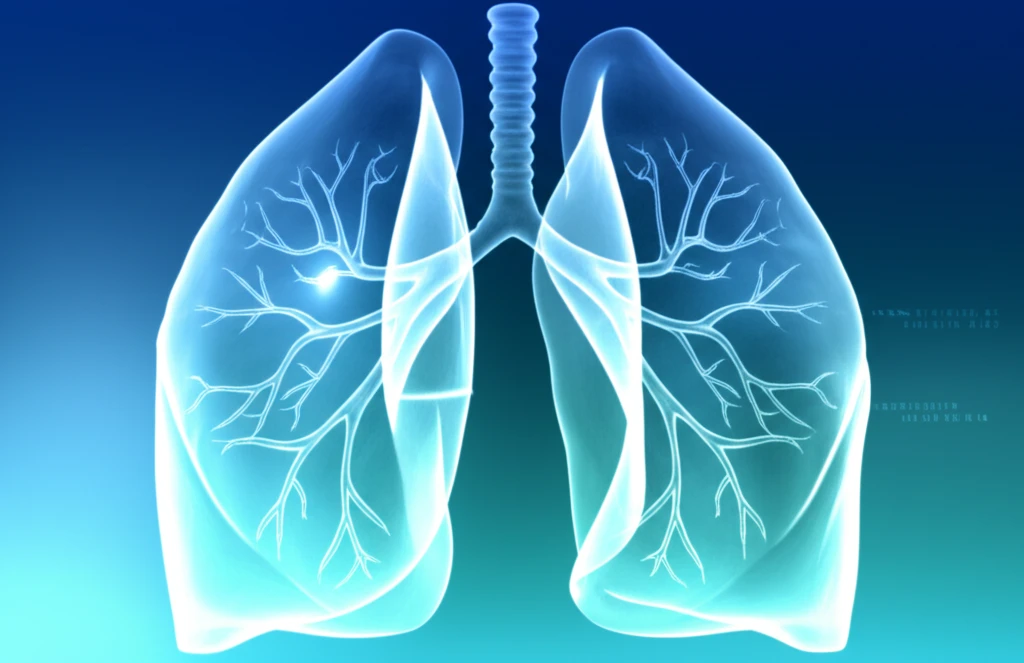
Breathe Easy, Live Better: Protecting Your Lungs During Spontaneous Breathing

"Understanding and Navigating the Complexities of Lung Health in the Era of Modern Medicine"
In a world increasingly aware of health and wellness, the significance of lung health often takes center stage. From the air we breathe to the very essence of our being, the lungs play a vital role. But what happens when the simple act of breathing, something we do effortlessly, poses a risk to our well-being? This question lies at the heart of a critical area of medical research: protecting our lungs, especially during spontaneous breathing.
The field of pulmonary medicine has made remarkable strides in understanding and treating respiratory ailments. However, certain medical interventions, like mechanical ventilation, can sometimes inflict harm. Ventilator-induced lung injury (VILI) is a well-documented concern, and the less understood patient self-inflicted lung injury (P-SILI) adds another layer of complexity. This article explores these challenges and offers insights into safeguarding our lungs.
This deep dive aims to provide a comprehensive yet easily digestible overview of the latest research, offering practical advice and insights for those interested in respiratory health. We'll examine the mechanics of breathing, the potential risks, and, most importantly, the steps we can take to breathe easier and live better.
The Delicate Dance: Understanding the Lungs and Breathing
Our lungs, the unsung heroes of our respiratory system, are intricate organs designed for a singular purpose: to facilitate the exchange of oxygen and carbon dioxide. During spontaneous breathing, a complex interplay of muscles, pressure gradients, and alveolar mechanics ensures this exchange happens seamlessly. However, this seemingly simple process can be disrupted, leading to potential injury. This is where the concepts of VILI and P-SILI come into play.
- The Mechanics: Understanding how the lungs work, including pressure gradients and alveolar mechanics.
- VILI: Acknowledging the risks of mechanical ventilation, such as overstretching and damage.
- P-SILI: Recognizing that even spontaneous breathing can cause lung damage.
Breathe with Confidence: A Path to Better Lung Health
Protecting lung health requires a proactive approach. The journey to better respiratory health involves understanding the risks, staying informed about the latest medical advancements, and making informed decisions about our health. This is an ongoing process, one that promises a future where every breath we take is a testament to our well-being. By embracing the information and insights presented, we can empower ourselves to breathe easier, live better, and safeguard the vital role our lungs play in our lives.