
Brain Tumors and Cognitive Decline: What You Need to Know

"Uncover the connection between brain tumors, cognitive disabilities, and the latest treatment strategies to maintain your mental sharpness."
A brain tumor diagnosis can bring about a whirlwind of concerns, and among them, cognitive changes often loom large. Cognitive disability, affecting memory, attention, and executive functions, is a common complication for adults with brain tumors. Recognizing and addressing these challenges is crucial for maintaining quality of life during and after treatment.
This article delves into the intricate relationship between brain tumors, treatment side effects, and cognitive function. We will explore the various factors contributing to cognitive decline, from the tumor itself to the impact of radiation, chemotherapy, and surgery. By understanding these mechanisms, patients and caregivers can better navigate the complexities of brain tumor treatment.
More than just identifying the problem, we will delve into practical solutions. From cognitive rehabilitation and pharmacological interventions to lifestyle adjustments like exercise and meditation, we'll explore a range of strategies aimed at preserving and improving cognitive abilities. This information empowers patients and their families to take an active role in managing their cognitive health.
How Do Brain Tumors Affect Cognitive Function?
Brain tumors can disrupt cognitive processes in several ways:
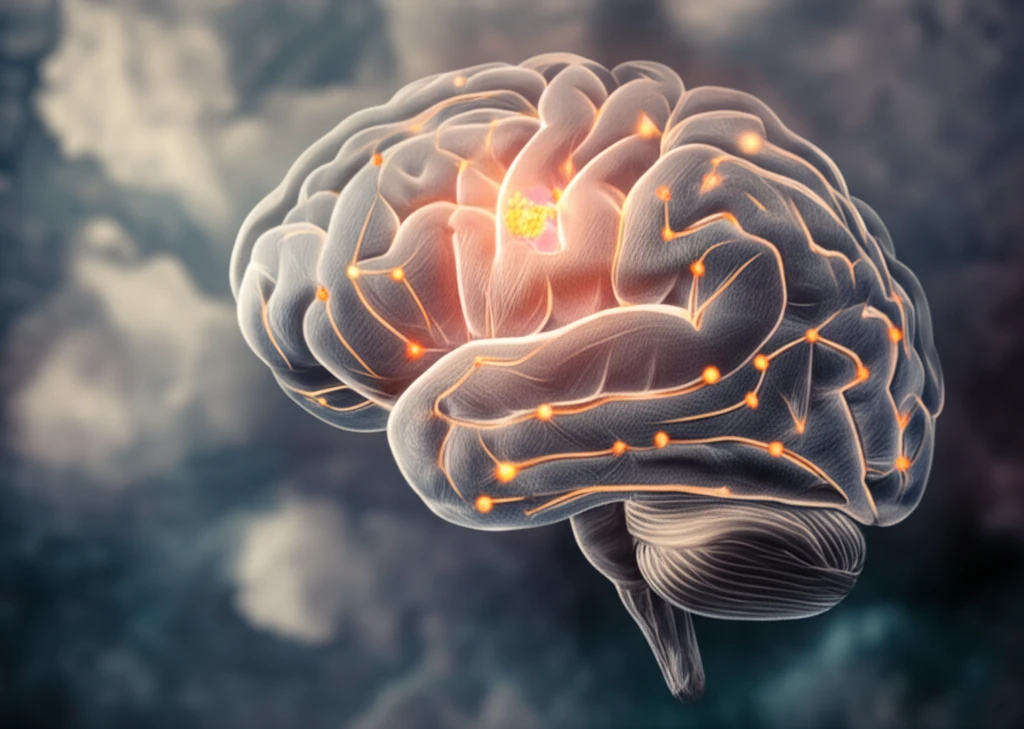
- Location Matters: Tumors in the frontal lobe can affect decision-making and personality, while temporal lobe tumors can impair memory and language.
- Size and Growth Rate: Larger, faster-growing tumors often cause more noticeable cognitive decline.
- Increased Pressure: Tumors can increase intracranial pressure, leading to neurological deficits.
Taking Charge of Your Cognitive Health
Living with a brain tumor presents unique challenges, but it's important to remember that you are not passive in this journey. Understanding the potential impact on cognitive function and proactively implementing strategies to mitigate these effects can significantly improve your quality of life. By working closely with your medical team, exploring available resources, and embracing lifestyle modifications, you can take control of your cognitive health and live a more fulfilling life.