
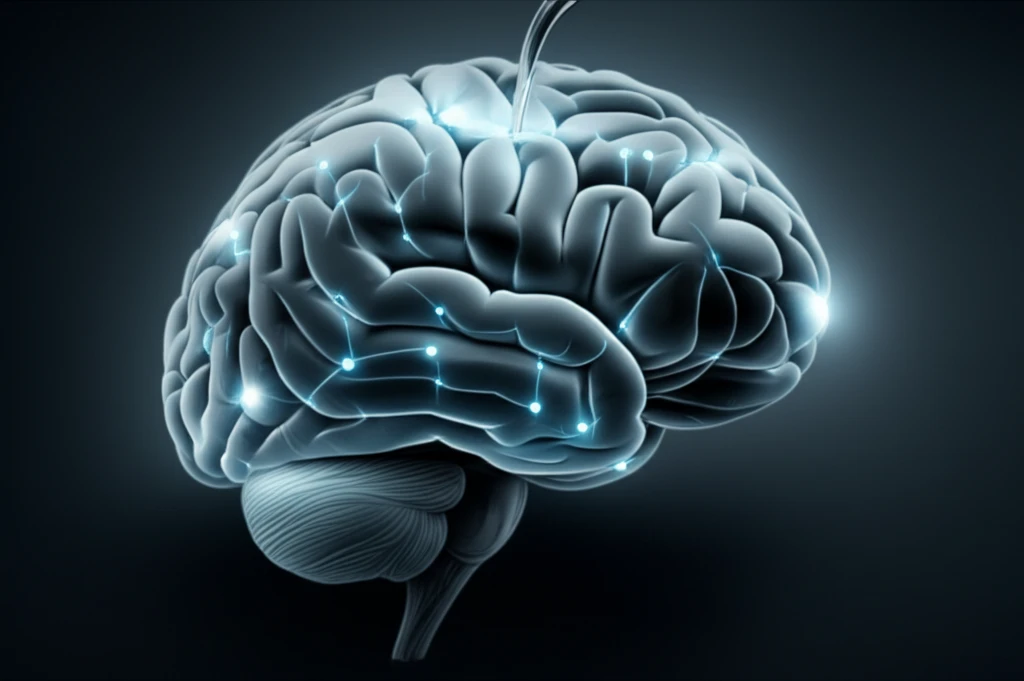
Illustration depicting a brain with glowing pathways, symbolizing the positive impact of alcohol on brain injury recovery.

Brain Injury Breakthrough: Could Alcohol Actually Help?

"New research suggests that a small amount of alcohol could help protect your brain after a traumatic injury."


Dealing with a traumatic brain injury (TBI) is a life-altering event, affecting millions of people worldwide each year. The consequences of a TBI can range from mild cognitive impairment to severe physical disabilities, making it a significant public health concern. But what if there was something, perhaps surprisingly, that could help the brain heal after such a traumatic event? Recent research is turning heads by suggesting a surprising connection between alcohol consumption and the brain's ability to recover from injury.

The study, published in International Immunopharmacology, delves into the effects of ethanol (alcohol) administration on the neuroinflammatory response following a TBI. The findings indicate that ethanol pretreatment could result in a quicker and more effective recovery after TBI. This research opens new avenues for understanding the complexities of brain injury and challenges some existing assumptions about alcohol's effects on the body.

This article will explore the study's methodology, dissect the key findings, and examine the potential implications for future treatments. We will also discuss the importance of understanding this research within the context of existing knowledge about TBI and alcohol's effects on the body.

The Study: Alcohol's Unexpected Role in Brain Injury Recovery

Illustration depicting a brain with glowing pathways, symbolizing the positive impact of alcohol on brain injury recovery.

The research, conducted using a closed blunt weight-drop murine TBI model, focused on the effects of ethanol administration on behavioral and neuro-immunological outcomes. The study evaluated the impact of ethanol on the presence of traumatic intracerebral hemorrhage. The researchers administered ethanol to the mice before inducing the TBI. They then monitored the animals' behavior and examined their brains for signs of inflammation and tissue damage.

The results revealed a compelling picture: mice that received ethanol before the TBI showed a faster recovery, with reduced infiltration of leukocytes (white blood cells) and decreased activation of microglia (immune cells in the brain). These positive outcomes corresponded with a shift in the brain's cytokine profile, indicating a reduction in inflammation. The study also found that this protective effect was less pronounced when traumatic intracerebral hemorrhage was present.

  • Faster recovery from TBI.
  • Reduced inflammation in the brain.
  • Improved neurological function.
  • A shift in the brain's cytokine profile towards reduced inflammation.
The key takeaway is that ethanol appeared to suppress the acute neuro-inflammatory response to TBI, leading to improved recovery. This effect was particularly evident in the absence of significant bleeding in the brain, which could potentially override the protective benefits of alcohol.

The Future of TBI Research and Treatment

This research opens up exciting possibilities for new treatments and a deeper understanding of the intricate processes involved in brain injury. While the study highlights a potential protective effect of alcohol, it's important to remember that this research is in its early stages. Further studies are needed to fully understand the mechanisms at play and to determine whether these findings can be translated into effective treatments for humans. The complexity of TBI and the individual variability in how people respond to it will require careful consideration. However, this study provides a valuable foundation for future research, offering hope for improved outcomes for those affected by this devastating condition.

About this Article -

This article was crafted using a human-AI hybrid and collaborative approach. AI assisted our team with initial drafting, research insights, identifying key questions, and image generation. Our human editors guided topic selection, defined the angle, structured the content, ensured factual accuracy and relevance, refined the tone, and conducted thorough editing to deliver helpful, high-quality information.See our About page for more information.

This article is based on research published under:

DOI-LINK: 10.1016/j.intimp.2017.08.002, Alternate LINK

Title: Acute Ethanol Administration Results In A Protective Cytokine And Neuroinflammatory Profile In Traumatic Brain Injury

Subject: Pharmacology

Journal: International Immunopharmacology

Publisher: Elsevier BV

Authors: Akila Chandrasekar, Florian Olde Heuvel, Annette Palmer, Birgit Linkus, Albert C. Ludolph, Tobias M. Boeckers, Borna Relja, Markus Huber-Lang, Francesco Roselli

Published: 2017-10-01

Everything You Need To Know

1

How does ethanol potentially aid in recovery after a traumatic brain injury (TBI)?

Research suggests that ethanol pretreatment could lead to a quicker and more effective recovery after a TBI. The study indicated reduced infiltration of leukocytes and decreased activation of microglia, resulting in a shift in the brain's cytokine profile, indicating reduced inflammation. However, the presence of traumatic intracerebral hemorrhage may reduce the protective benefits of ethanol.

2

What were the primary observations regarding the impact of ethanol on the neuro-inflammatory response following a TBI in the conducted study?

The study found that ethanol appeared to suppress the acute neuro-inflammatory response to TBI, leading to improved recovery. Specifically, mice that received ethanol before the TBI showed a faster recovery, with reduced infiltration of leukocytes (white blood cells) and decreased activation of microglia (immune cells in the brain). This correlated with a shift in the brain's cytokine profile, indicating a reduction in inflammation.

3

Can you elaborate on the closed blunt weight-drop murine TBI model used in the research and its significance in understanding the effects of ethanol?

The closed blunt weight-drop murine TBI model is a method used to simulate traumatic brain injury in mice. Researchers administered ethanol to the mice before inducing the TBI and then monitored their behavior and examined their brains for signs of inflammation and tissue damage. This model allowed researchers to observe the effects of ethanol on the presence of traumatic intracerebral hemorrhage and the neuroinflammatory response in a controlled environment, providing insights into potential mechanisms of recovery.

4

What implications does the research on ethanol and TBI have for future treatments, and what are the caveats to consider?

This research opens possibilities for new treatments and a deeper understanding of brain injury. The study highlights a potential protective effect of ethanol. Further studies are needed to fully understand the mechanisms and whether findings can be translated into effective treatments for humans. The complexity of TBI and individual variability in response will require careful consideration, but the study provides a valuable foundation for future research and hope for improved outcomes. The study does not suggest treatments for other injuries.

5

How does traumatic intracerebral hemorrhage impact the potential benefits of ethanol in TBI recovery, as indicated by the study?

The study indicated that the protective effect of ethanol was less pronounced when traumatic intracerebral hemorrhage was present. This suggests that significant bleeding in the brain could potentially override the benefits of alcohol in suppressing the acute neuro-inflammatory response to TBI. Further research is needed to fully understand the interaction between ethanol and intracerebral hemorrhage in the context of TBI recovery.

Newsletter Subscribe

Subscribe to get the latest articles and insights directly in your inbox.