
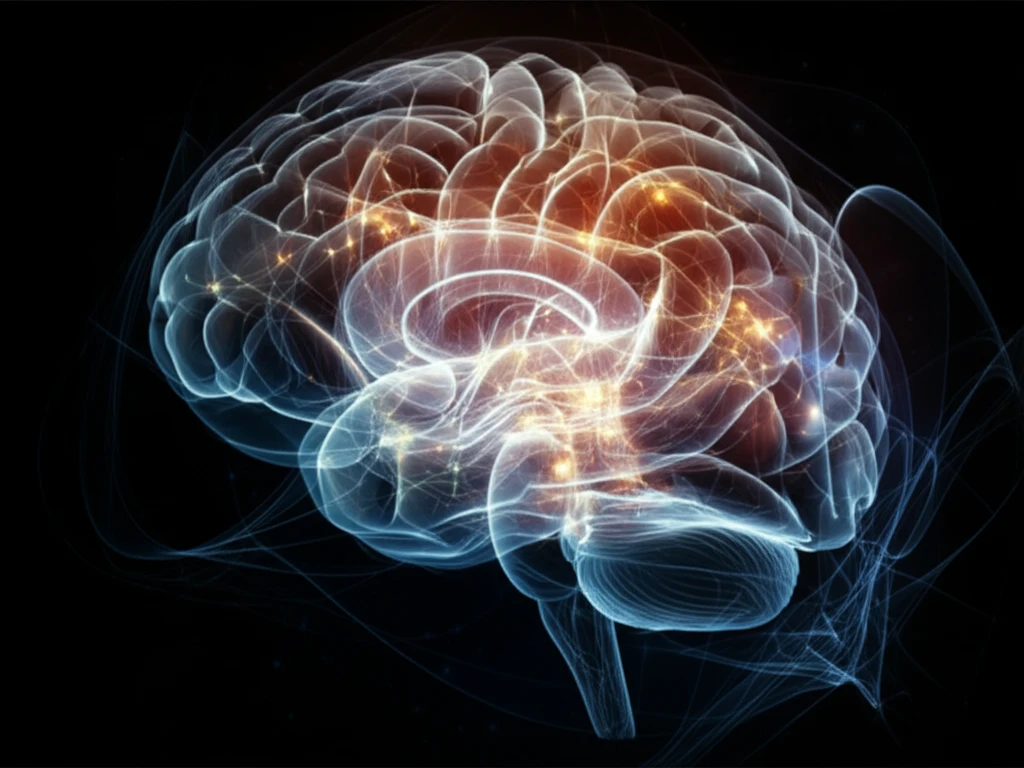
Glowing network of blood vessels within a brain, symbolizing neurovascular treatment advancements.

Brain Health Revolution: Breakthroughs in Neurovascular Treatment

"Discover the latest advances in neurovascular treatments that are transforming brain health, offering new hope for stroke, aneurysms, and AVMs."


Neurovascular diseases encompass a diverse array of conditions affecting the brain's intricate network of blood vessels. These disorders, ranging from strokes to aneurysms and arteriovenous malformations (AVMs), present significant challenges in diagnosis and treatment. Recent years have witnessed remarkable progress in our understanding of the genetic underpinnings and fundamental mechanisms driving these conditions.

Advancements in technology and medical therapies have revolutionized the landscape of neurovascular care. From innovative imaging techniques to sophisticated endovascular procedures, clinicians now have a broader range of tools at their disposal to combat these life-threatening ailments. Moreover, rigorous randomized controlled trials have refined patient selection and treatment strategies, leading to improved outcomes.

This article delves into the groundbreaking developments in neurovascular treatments, shedding light on the latest breakthroughs and their potential impact on brain health. From stroke interventions to aneurysm management and AVM therapies, we will explore the innovative approaches that are transforming the lives of patients worldwide.

Stroke Treatment: New Devices and Strategies

Glowing network of blood vessels within a brain, symbolizing neurovascular treatment advancements.

Stroke remains a leading cause of disability and death worldwide, necessitating continuous advancements in treatment strategies. Recent clinical trials have challenged conventional approaches to endovascular therapy for acute cerebrovascular occlusion, highlighting the limitations of earlier studies. These limitations included the exclusion of patients with large vessel occlusions and the use of older thrombectomy devices, prompting the development of next-generation technologies.

S. Hann et al. recently demonstrated the benefits of these advanced thrombectomy devices in clot removal, offering improved outcomes for stroke patients. These devices enable faster and more complete recanalization of occluded vessels, reducing the extent of brain damage and improving neurological function.

  • Next-Generation Thrombectomy Devices: Enhancing clot removal efficiency.
  • Best Medical Therapy: Outperforming intracranial stenting in recent trials.
  • Balloon-Mounted Stents: An alternative to self-expanding stents, reducing in-stent stenosis rates.
For patients with significant intracranial disease, recent trials have shown that best medical therapy results in improved outcomes compared to intracranial stenting. However, the optimal treatment options for patients who have failed best medical therapy remain unclear. D. Ding et al. reviewed potential options, including balloon-mounted stents, which may offer an effective alternative to self-expanding stents with lower rates of in-stent stenosis.

Future Directions in Neurovascular Care

Advancements in neurovascular treatment offer hope for improved outcomes for patients with stroke, aneurysms, and AVMs. Continued research and innovation are essential to further refine treatment strategies and improve the lives of those affected by these conditions. These strides underscore the importance of ongoing research and collaboration to unlock new possibilities for neurovascular care.

About this Article -

This article was crafted using a human-AI hybrid and collaborative approach. AI assisted our team with initial drafting, research insights, identifying key questions, and image generation. Our human editors guided topic selection, defined the angle, structured the content, ensured factual accuracy and relevance, refined the tone, and conducted thorough editing to deliver helpful, high-quality information.See our About page for more information.

This article is based on research published under:

DOI-LINK: 10.1155/2014/641539, Alternate LINK

Title: Advances In Neurovascular Treatments

Subject: General Immunology and Microbiology

Journal: BioMed Research International

Publisher: Hindawi Limited

Authors: Robert M. Starke, Stephen J. Monteith, Nohra Chalouhi, Dale Ding, Ricky Medel, David Hasan, Aaron S. Dumont

Published: 2014-01-01

Everything You Need To Know

1

What are the primary neurovascular diseases discussed, and why are they significant?

The primary neurovascular diseases highlighted are stroke, aneurysms, and arteriovenous malformations (AVMs). These conditions are significant because they affect the intricate network of blood vessels in the brain. Stroke is a leading cause of disability and death. Aneurysms and AVMs can lead to life-threatening complications. Recent research and treatments focus on enhancing the understanding and improving outcomes for patients facing these critical challenges.

2

How have advancements in technology and medical therapies impacted the treatment of neurovascular diseases?

Advancements in technology and medical therapies have revolutionized neurovascular care. Clinicians now have a broader range of tools, including innovative imaging techniques and sophisticated endovascular procedures, to combat these life-threatening ailments. Rigorous randomized controlled trials have refined patient selection and treatment strategies, leading to improved outcomes. These developments allow for more effective and targeted interventions, ultimately improving the chances of recovery and survival for patients.

3

Can you explain the role of Next-Generation Thrombectomy Devices in stroke treatment, and how they improve outcomes?

Next-Generation Thrombectomy Devices are designed to enhance clot removal efficiency in stroke patients. Studies like those by S. Hann et al. have shown that these devices enable faster and more complete recanalization of occluded vessels. By quickly restoring blood flow to the brain, these devices reduce the extent of brain damage and improve neurological function, leading to better outcomes for patients. These devices are a significant advancement over older technologies that had limitations in clot removal effectiveness.

4

What are the advantages of using Best Medical Therapy compared to intracranial stenting in treating intracranial diseases?

Recent trials have shown that best medical therapy results in improved outcomes compared to intracranial stenting for patients with significant intracranial disease. This suggests that in many cases, a comprehensive approach that focuses on medication and lifestyle modifications may be more effective than surgical interventions like stenting. While intracranial stenting has a role, best medical therapy has demonstrated superior results in certain scenarios.

5

What are Balloon-Mounted Stents, and how do they compare to self-expanding stents?

Balloon-mounted stents are presented as a potential alternative to self-expanding stents in neurovascular treatments. Research suggests that they may offer an effective alternative with lower rates of in-stent stenosis compared to self-expanding stents. D. Ding et al. reviewed these options. Stent stenosis is the narrowing of a blood vessel within the stent, which can lead to complications. The use of balloon-mounted stents is one of the advancements to improve the long-term outcomes for patients treated with stents.

Newsletter Subscribe

Subscribe to get the latest articles and insights directly in your inbox.