
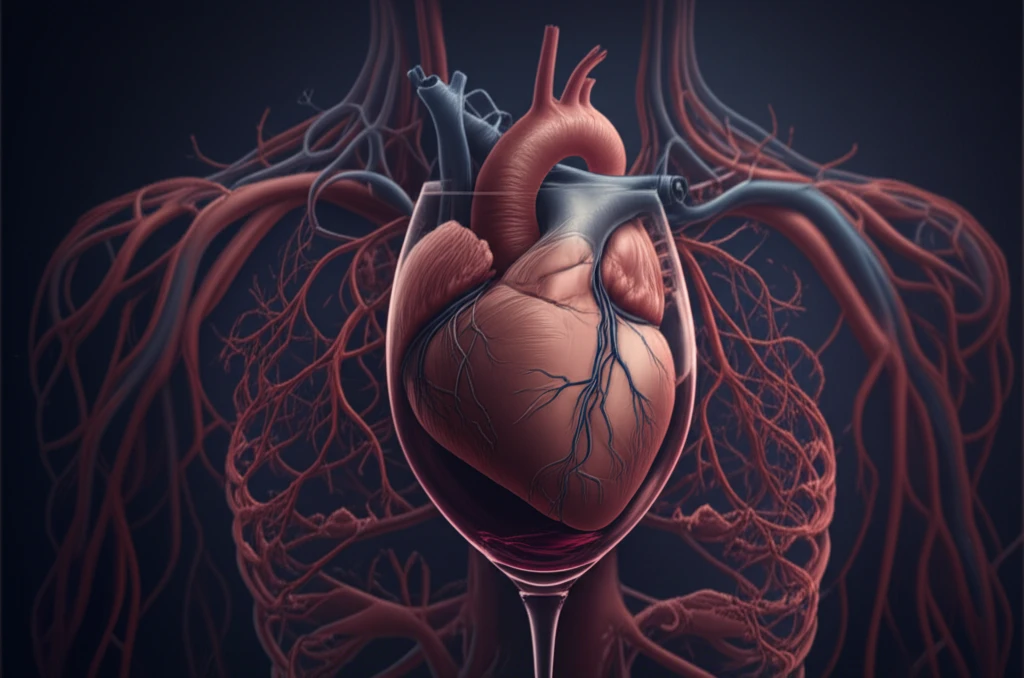
Booze & Blood Pressure: What's the Real Deal?

"Uncover the surprising link between alcohol, hypertension, and practical steps you can take for a healthier heart."
The link between alcohol consumption and blood pressure has been a topic of scientific inquiry for over a century. A French study in 1915 first highlighted a connection between wine intake and hypertension. Since then, numerous studies have investigated this relationship, revealing complex interactions that go beyond simple cause and effect.
With so many mixed messages, it’s easy to feel lost. Does that nightly glass of wine help you unwind, or is it secretly raising your risk of high blood pressure? Understanding the facts is the first step to making informed choices about your health.
This article explores the relationship between alcohol and hypertension, providing insights into how different types and amounts of alcohol affect your blood pressure. You’ll learn practical strategies to manage your alcohol consumption, plus explore emerging medical options.
How Much Is Too Much? Decoding Alcohol Dosages
Defining a 'standard drink' can be tricky, as different countries have varying guidelines. The World Health Organization (WHO) defines one standard drink as containing 10 grams of pure alcohol, which translates to roughly 30 ml of vodka, 250 ml of beer, or 100 ml of wine. Keep in mind that a typical bottle of vodka contains the equivalent of 16 standard drinks!
- Quantity Matters: Consuming more than two standard drinks per day is consistently linked to higher blood pressure levels.
- Type Isn't the Key: While some studies suggest certain alcoholic beverages like beer or liquor are more closely associated with elevated blood pressure, overall, the amount of alcohol consumed is the critical factor.
- Individual Responses Vary: Genetic factors, pre-existing health conditions, and lifestyle choices can influence how your body responds to alcohol.
The Takeaway: Moderation and Proactive Management
The research is clear: excessive alcohol consumption can significantly impact blood pressure. Prioritizing moderation and understanding your individual risk factors are crucial for maintaining heart health.
European guidelines recommend that men with hypertension limit their alcohol intake to 20-30 grams per day (140 grams per week), while women should aim for 10-20 grams per day (80 grams per week).
If you struggle to reduce your alcohol intake, talk to your doctor about emerging medical options like nalmefene. Remember, managing your alcohol consumption is a vital step in protecting your cardiovascular health and overall well-being.