
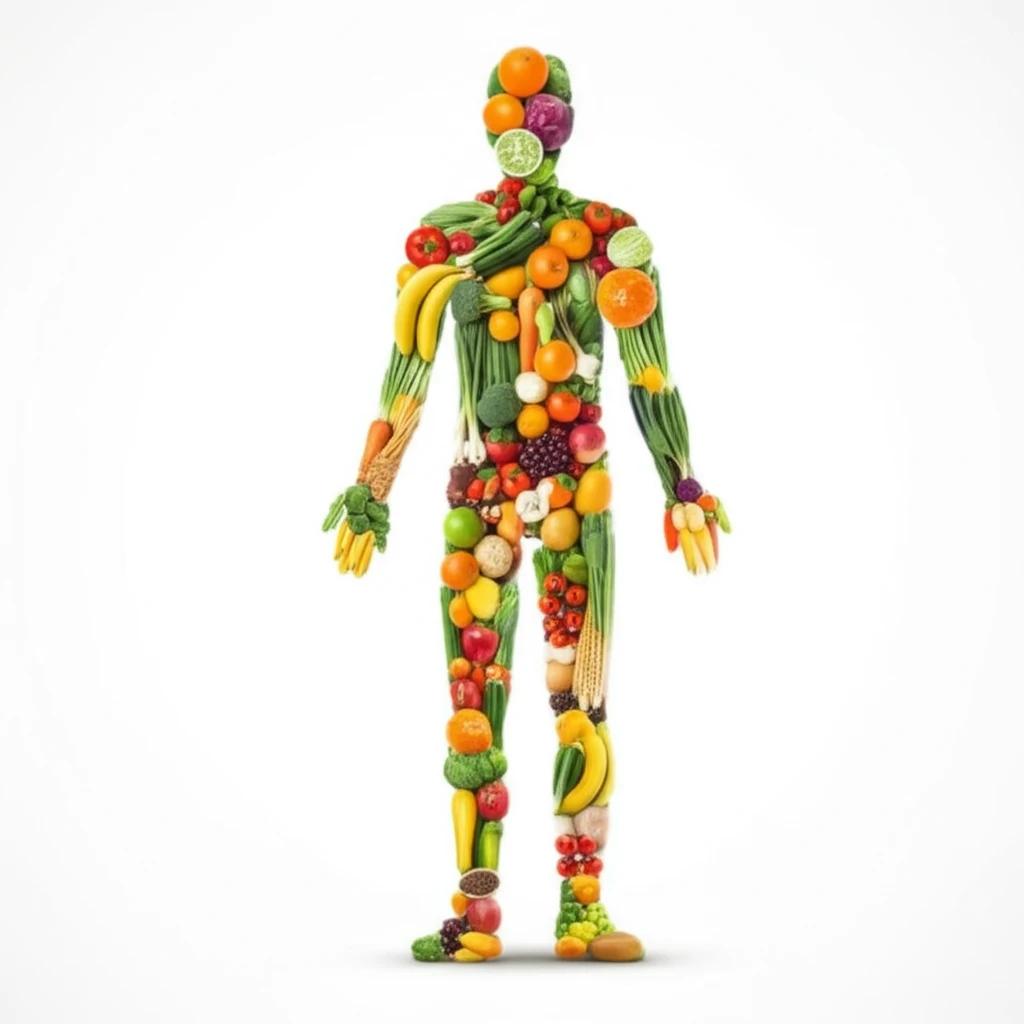
Silhouette made of healthy food representing the power of diet for bladder cancer survivors.

Bladder Cancer Survivors: Unlocking the Power of Diet for a Better Quality of Life

"Discover how dietary patterns impact the well-being of bladder cancer survivors and learn practical steps to improve your nutrition."


In today's world, there's a growing focus on helping people thrive after cancer. As treatments get better and more people live longer, it's crucial to address the challenges cancer survivors face, both physically and emotionally. Recovering from cancer and its treatments can be tough, and many survivors are at a higher risk for other health issues. That's why it's so important to find ways to improve their overall well-being and quality of life.

One area that's getting a lot of attention is the role of a healthy lifestyle, especially diet. Eating plenty of fruits, vegetables, and whole grains has been linked to better outcomes for cancer survivors. Maintaining a healthy weight is also key. However, many cancer survivors struggle with poor nutrition, which can affect their recovery and well-being. Bladder cancer survivors are a particularly important group to focus on because they often undergo surgery that affects their digestive system and require frequent check-ups and treatments.

Recognizing the significant role of diet and exercise, this article aims to explore and establish the dietary habits of bladder cancer survivors and how these habits affect their quality of life (HRQOL).

How Does Diet Affect Quality of Life in Bladder Cancer Survivors?

Silhouette made of healthy food representing the power of diet for bladder cancer survivors.

To understand the connection between diet and quality of life in bladder cancer survivors, a recent study explored the dietary habits and overall well-being of a large group of survivors. Researchers sent surveys to bladder cancer survivors within their institutional database, asking about their eating habits using the Diet History Questionnaire II. They also assessed their quality of life using the Functional Assessment of Cancer Therapy-Bladder Cancer (FACT-BL) tool. The study looked at various factors, including age, gender, race, socioeconomic status, body mass index (BMI), smoking status, and other health conditions.

The study revealed some interesting insights into the diets of bladder cancer survivors:

  • Similar Diet Quality: The diet quality of bladder cancer survivors was generally similar to that of the older U.S. population.
  • Areas for Improvement: Many participants' diets needed improvement, particularly regarding whole grain and vitamin D intake.
  • No Significant Differences: There were no major differences in diet quality between those who had surgery and those who didn't.
While the study initially found a link between diet quality and HRQOL, this connection weakened when other factors were considered. However, the study did highlight the importance of addressing other health issues to improve overall quality of life. The results showed that bladder cancer survivors, like many older adults, may not be getting enough whole grains and vitamin D in their diets. This is concerning because these nutrients play a crucial role in overall health and well-being.

The Bottom Line: Empowering Bladder Cancer Survivors Through Diet

This study underscores the importance of dietary habits in bladder cancer survivors. While their diet quality mirrors that of the general older U.S. population, there's considerable room for improvement, especially regarding whole grains and vitamin D intake. Although the direct link between diet quality and HRQOL requires further investigation, encouraging bladder cancer survivors to adopt dietary guidelines is a worthwhile endeavor. By prioritizing a well-rounded diet, survivors can take a proactive step toward enhancing their overall health and quality of life.

About this Article -

This article was crafted using a human-AI hybrid and collaborative approach. AI assisted our team with initial drafting, research insights, identifying key questions, and image generation. Our human editors guided topic selection, defined the angle, structured the content, ensured factual accuracy and relevance, refined the tone, and conducted thorough editing to deliver helpful, high-quality information.See our About page for more information.

This article is based on research published under:

DOI-LINK: 10.1016/j.urolonc.2018.06.001, Alternate LINK

Title: Dietary Patterns And Health-Related Quality Of Life In Bladder Cancer Survivors

Subject: Urology

Journal: Urologic Oncology: Seminars and Original Investigations

Publisher: Elsevier BV

Authors: Ajay Gopalakrishna, Andrew Chang, Thomas A. Longo, Joseph J. Fantony, Michael R. Harrison, Paul E. Wischmeyer, Brant A. Inman

Published: 2018-10-01

Everything You Need To Know

1

How does diet affect the well-being of bladder cancer survivors?

A nutritious diet plays a significant role in the health-related quality of life (HRQOL) for cancer survivors, including those who have battled bladder cancer. The article indicates that improved dietary habits can lead to better overall well-being. Specifically, a focus on fruits, vegetables, and whole grains is emphasized as beneficial, suggesting that a well-rounded diet can help survivors manage the challenges of recovery and potentially reduce the risk of further health issues.

2

What methods were used to study the dietary habits of bladder cancer survivors?

A recent study assessed the dietary habits and overall well-being of a large group of bladder cancer survivors. Researchers employed the Diet History Questionnaire II to gather information on eating habits. They also used the Functional Assessment of Cancer Therapy-Bladder Cancer (FACT-BL) tool to evaluate quality of life. Various factors, such as age, gender, race, socioeconomic status, body mass index (BMI), smoking status, and other health conditions, were taken into account during the study.

3

What were the key findings regarding the diets of bladder cancer survivors?

The study's results revealed that the diet quality of bladder cancer survivors was generally comparable to that of the older U.S. population. It also indicated that there was room for improvement in areas such as whole grain and vitamin D intake. Furthermore, the study found no significant differences in diet quality between those who had surgery and those who did not. Although the initial link between diet quality and HRQOL weakened when other factors were considered, the study highlighted the importance of addressing other health issues to improve overall quality of life.

4

What specific nutritional deficiencies were identified in bladder cancer survivors?

The study showed that bladder cancer survivors, like many older adults, may not be getting enough whole grains and vitamin D in their diets. These nutrients are crucial for overall health and well-being. The study indicates that improving intake of these nutrients could have positive effects on the health of bladder cancer survivors. Although the direct link between diet quality and HRQOL requires further investigation, the article suggests that encouraging bladder cancer survivors to adopt dietary guidelines is a worthwhile endeavor.

5

What are the main implications of these findings for bladder cancer survivors?

The findings highlight that a focus on diet is important for bladder cancer survivors. While diet quality was similar to the general older U.S. population, there's room for improvement, particularly in the intake of whole grains and vitamin D. Although a direct link between diet quality and HRQOL needs more research, the article emphasizes that adopting dietary guidelines is a worthwhile endeavor to enhance the overall health and quality of life for bladder cancer survivors.

Newsletter Subscribe

Subscribe to get the latest articles and insights directly in your inbox.