
Decoding Nutrition: A Practical Guide to Health and Wellness

"Navigate the complexities of nutrition with clarity and confidence."
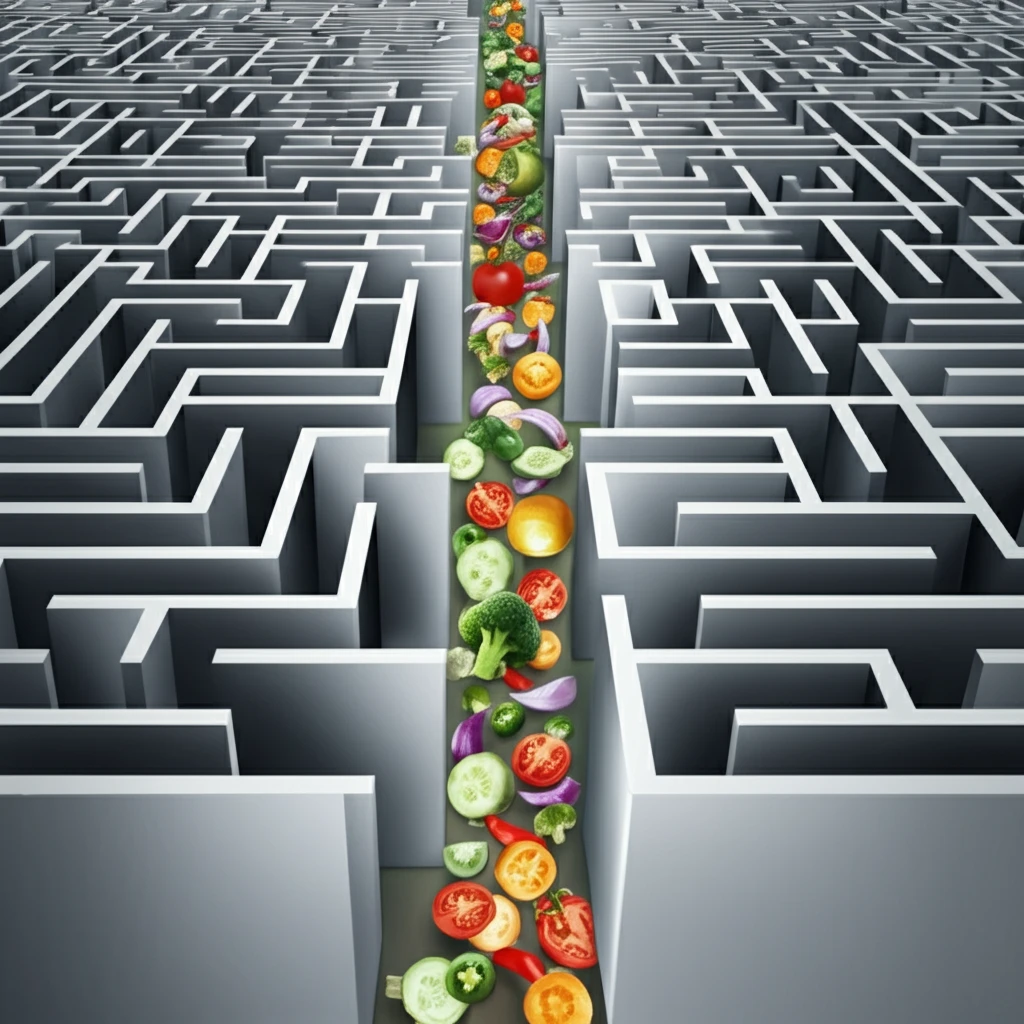
In today's fast-paced world, understanding nutrition can feel like navigating a maze. With endless diets, conflicting advice, and ever-changing food trends, it's no wonder many of us feel lost. However, the path to better health doesn't have to be confusing. By focusing on fundamental concepts and evidence-based strategies, you can unlock the power of nutrition to transform your well-being.
This article aims to simplify the complexities of nutrition, providing you with a practical roadmap to make informed decisions about your diet. We'll delve into the essential components of a balanced eating plan, debunk common myths, and offer actionable tips to help you achieve your health and fitness goals. Whether you're looking to lose weight, boost your energy levels, or simply improve your overall health, this guide will empower you to take control of your nutrition.
This article leverages insights into a review of 'Fit to Be Well, Essential Concepts, 5th edition,' offering a balanced perspective on integrating nutrition into your daily life. By distilling key points and addressing common pitfalls, we provide a comprehensive resource for anyone seeking clarity in the world of nutrition.
Nutrition's Role in Health
Nutrition is widely recognized as a fundamental factor in maintaining health and preventing chronic disease. While specific statistics vary by region and population, the overall impact of dietary patterns on well-being is consistently emphasized in public health discourse. Poor nutrition is linked to a range of health issues, underscoring the importance of dietary guidance. However, the exact scale and distribution of these impacts remain subjects of ongoing research and data collection.
Dietary Guidelines and Their Scope
The Dietary Guidelines for Americans serve as the cornerstone for federal nutrition programs, providing food-based recommendations to promote health and prevent diet-related chronic diseases. These guidelines, along with recommendations from agencies like the CDC, inform public health approaches across communities, schools, and for specific life stages such as pregnancy and breastfeeding. International examples, such as France's food-based dietary guidelines, employ advanced modeling methods to establish healthy eating patterns. A noted limitation is that such guidelines offer general advice, which may not fully address individual variability in nutrient needs and preferences.
Evolution of Nutritional Science
The history of nutrition spans thousands of years, from ancient dietary practices to the development of modern nutritional science. Key milestones include the identification of essential nutrients and the establishment of dietary guidelines to prevent deficiency diseases. More recent foundational discoveries involve fields like nutrigenomics, which studies how genes interact with food, and the role of the microbiome in health. This progression reflects a shift from mere sustenance to a sophisticated understanding of food's impact on long-term health.
Essential Nutrition Concepts
Understanding the basics of nutrition involves grasping the roles of macronutrients (proteins, carbohydrates, and fats) and micronutrients (vitamins and minerals). Each plays a crucial role in supporting bodily functions, from energy production to immune defense. Balancing these nutrients is key to maintaining optimal health.
- Prioritize Whole Foods: Base your diet on fruits, vegetables, lean proteins, and whole grains.
- Balance Macronutrients: Understand the roles of proteins, carbs, and fats in your diet.
- Stay Hydrated: Drink plenty of water throughout the day.
- Mindful Eating: Pay attention to your body's hunger and fullness cues.
Recent Dietary Guidelines and Focus Areas
The 2025–2030 Dietary Guidelines for Americans, released with the tagline “eat real food,” emphasize a stronger stance on limiting added sugars. Recent research highlighted by institutions like the American Heart Association promotes dietary patterns that significantly reduce sodium and added sugar consumption. There is also a call for more scientific investigation into optimal protein amounts and sources for health. These updates reflect evolving evidence and a focus on whole foods over processed options.
Criticisms and Limitations of Current Guidelines
Critics have questioned whether recent dietary guidelines are overly focused on protein and have failed to adequately encourage plant-based proteins. There are also concerns about food literacy, where understanding nutrition labels and nutrient roles remains a challenge for many. Some argue that traditional models like the food pyramid are misleading, advocating instead for holistic approaches like the Mediterranean diet. Additionally, food and nutrition policies, while aimed at improving health, can vary widely in effectiveness and implementation.
Evaluating Dietary Approaches
Comparative analysis of dietary approaches often involves examining their effectiveness in promoting health outcomes and sustainability. Different diets, such as low-carbohydrate, low-fat, or plant-based patterns, show varying benefits and challenges depending on individual goals and health conditions. While some approaches may offer short-term advantages, long-term adherence and overall impact on chronic disease risk are critical factors. The lack of direct, large-scale comparisons makes it difficult to declare a single optimal dietary pattern for all populations.
Empowering Your Health Journey
Achieving optimal health through nutrition is a journey, not a destination. By understanding the fundamental concepts and making informed choices, you can empower yourself to live a healthier, more vibrant life. Remember, small changes can make a big difference, so start today and embrace the power of nutrition to transform your well-being.
Expert Insights on Healthy Eating
Nutrition experts, such as those from Harvard's Nutrition Source, stress the importance of a visual guide like the Healthy Eating Plate for children. Recent U.S. dietary guidelines have sparked confusion and apprehension among nutritionists and the public, highlighting communication gaps. Experts clarify that healthy fats are best obtained from plant sources like nuts and seeds, rather than a broad category that includes all whole-food fats. This underscores the need for clear, evidence-based guidance to navigate conflicting information.
Emerging Trends in Nutrition
Future nutrition trends for 2026 include the influence of GLP-1 medications on food preferences and the rise of precision nutrition powered by wearables and AI. There is a growing emphasis on gut-healthy proteins and international flavors, reflecting a shift towards personalized and functional eating. These trends are backed by consumer data and evidence, indicating a move towards more tailored and sustainable dietary choices. The integration of technology and nutrition science promises to reshape eating habits in the coming years.
Systemic Barriers to Healthy Nutrition
Systemic challenges in nutrition include issues of food insecurity, unequal access to healthy foods, and the influence of policy on dietary choices. While availability of nutritious food is a key factor, it does not alone ensure healthy eating, as store viability and consumer behavior also play critical roles. Economic and social disparities often limit individuals' ability to follow recommended dietary patterns. Addressing these broader context issues requires coordinated efforts across public health, education, and policy sectors.
Personal Transitions and Research Impact
Qualitative studies reveal that transitioning to a healthier diet involves personal motivation and practical support, yet guidance on maintaining such changes remains limited. Research initiatives like Healthy Eating Research have transformed childhood nutrition and obesity prevention by focusing on policies and environmental factors. Real-world case studies illustrate how food science and nutrition are applied in practice, addressing global topics in education and health. These elements highlight the human dimension behind dietary guidelines and their implementation.