
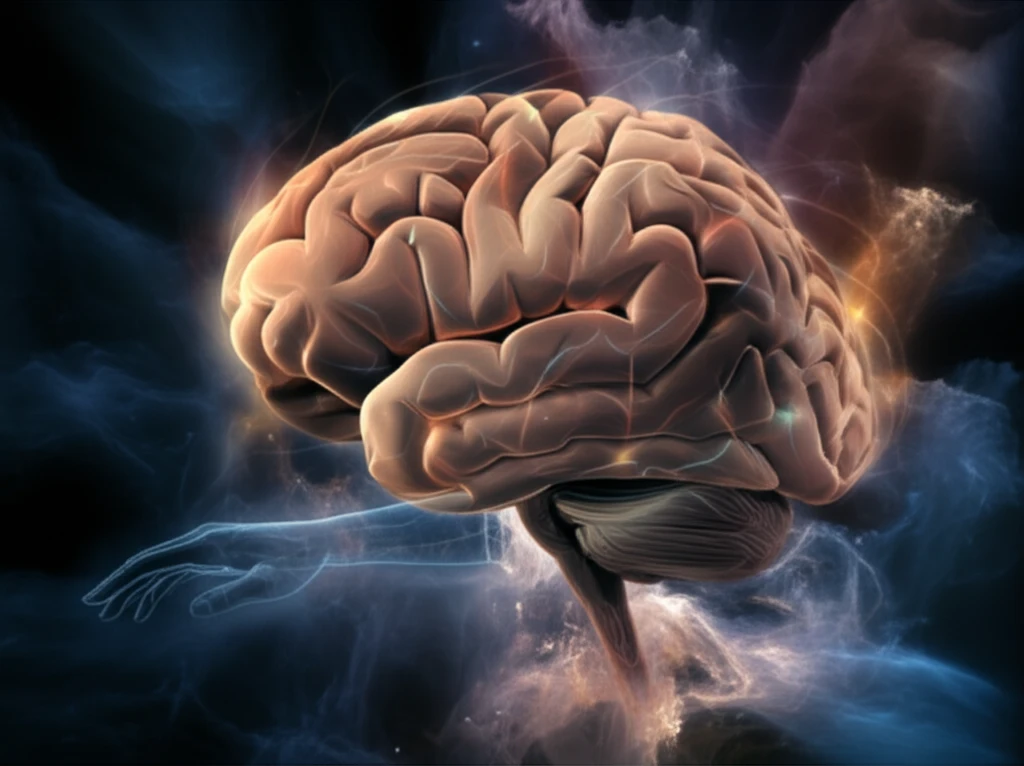
Beyond the Phantom: Unmasking the Mysteries of Limb Sensations and the Brain

"Exploring the complex relationship between phantom limbs, motor control, and how our brains create our body image."
Imagine the sensation of a limb that no longer exists, yet the feeling of movement or pain persists. This is the reality for many amputees, a phenomenon known as a phantom limb. These sensations, ranging from subtle tingling to excruciating pain, offer a unique window into the brain's intricate workings and its perception of the body.
Phantom limbs have long intrigued scientists and medical professionals, sparking a quest to understand how the brain continues to 'feel' a limb that has been lost. This exploration not only sheds light on the nature of pain and the brain's plasticity but also holds promise for innovative treatments and a deeper understanding of how our minds construct our bodily experience.
This article embarks on a journey to demystify phantom limbs. We will explore the underlying mechanisms, the latest research findings, and the potential therapeutic applications. This is a journey into the fascinating interplay between the brain, the body, and the very essence of our self-perception.
Deciphering the Phantom: What Causes Sensations in a Missing Limb?
The experience of a phantom limb is not a single, unified phenomenon. It can manifest in a variety of ways, from simple awareness of the limb's presence to complex sensations of movement, touch, or even pain. Scientists believe that several factors contribute to these experiences.
- Brain Plasticity: The brain's remarkable ability to adapt and change is crucial. After amputation, the brain reorganizes, and areas responsible for the lost limb are taken over by others.
- Sensory Input: Even without the limb, the brain still receives signals from the stump and surrounding areas. These signals can contribute to phantom sensations.
- Motor Control: The brain's motor areas, which control movement, are also involved. The feeling of moving a phantom limb is a complex interaction between these motor areas and the sensory feedback the brain receives.
The Future of Phantom Limb Research and Treatment
Phantom limbs present a complex and multifaceted challenge, but ongoing research offers hope for improved understanding and treatment. As scientists unravel the intricate workings of the brain and its relationship to the body, new therapeutic approaches are emerging. These range from advanced technologies like virtual reality and brain-computer interfaces to targeted drug therapies and innovative rehabilitation techniques. This is a journey of discovery, revealing the remarkable capacity of the human brain to adapt, heal, and create the very experience of being.