
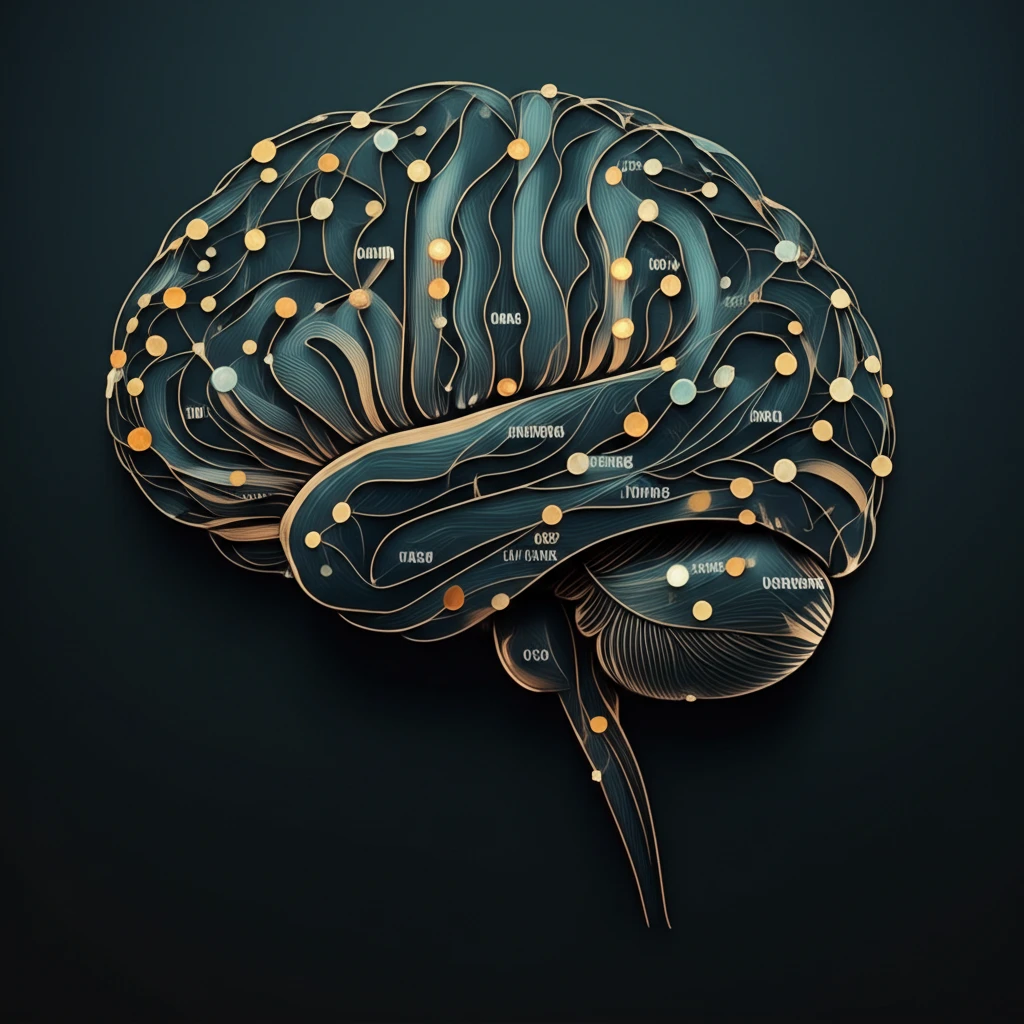
Decoding Neurological Research: A Layperson's Guide to Understanding the Experts

"Demystifying the Review Process and Key Contributors in Neurological Studies"
Neurological research forms the backbone of our understanding of the brain and nervous system, leading to innovative treatments and improved quality of life for individuals affected by neurological conditions. However, the journey from initial research to published findings involves a rigorous process of evaluation and refinement, often unseen by the general public.
The Revue Neurologique, like many prestigious scientific journals, relies on the expertise of numerous reviewers to ensure the accuracy, validity, and significance of published articles. These reviewers, often leaders in their respective fields, volunteer their time and knowledge to critically assess submitted manuscripts, providing invaluable feedback to authors and editors alike.
This article aims to shed light on the crucial role these experts play in shaping the landscape of neurological research. By understanding the review process and recognizing the contributions of key individuals, we can better appreciate the scientific rigor behind medical advancements and foster a more informed perspective on neurological health.
Neurological Disorders and Daily Life
Neurological disorders can affect the brain, spinal cord, and peripheral nerves, influencing movement, sensation, coordination, thinking, and awareness. Their effects vary widely, from temporary or manageable symptoms to substantial long-term disability. Because neurological conditions are diverse, their personal and social impact depends on the disorder, its severity, and the support available. Broad comparisons should therefore be made cautiously.
How Neurological Conditions Are Evaluated
Neurology focuses on diagnosing and treating conditions involving the brain, spinal cord, and peripheral nerves. Neurological disorders may reflect structural, biochemical, or electrical abnormalities and can produce symptoms such as paralysis, muscle weakness, poor coordination, loss of sensation, seizures, confusion, pain, and altered consciousness. The Cleveland Clinic notes that there are hundreds of neurological disorders, including Alzheimer’s disease, multiple sclerosis, and meningitis. This wide range means that accepted clinical approaches must be tailored to the particular condition and its symptoms.
An Evolving Field
The supplied Medical News Today overview presents neurological disorders as conditions affecting the brain, spinal cord, and nerves. It discusses five neurological disorders, their symptoms, and treatment options, reflecting how the field organizes knowledge around recognizable conditions and clinical care. However, this source excerpt does not identify particular historical milestones or foundational discoveries. Any detailed historical timeline would therefore require additional sources.
The Vital Role of Peer Review: Why It Matters
Peer review is a cornerstone of scientific publishing, acting as a quality control mechanism to ensure that only sound and relevant research is disseminated. In the context of neurological research, this process involves experts meticulously evaluating submitted manuscripts for methodological rigor, data interpretation, and overall contribution to the field.
- Ensuring Accuracy: Reviewers scrutinize methodologies and data analysis to minimize errors.
- Validating Significance: They assess the importance and impact of the research findings.
- Improving Clarity: Reviewers suggest revisions to enhance readability and understanding.
- Promoting Objectivity: The peer review process minimizes bias and promotes balanced interpretations.
Interpreting Current Research
Current neurological research should be read with attention to the specific disorder, study design, and strength of the evidence. Findings may improve understanding of symptoms or treatment without immediately changing routine care. Reviews can help place individual studies in context, but their conclusions may still depend on the quality and consistency of the underlying evidence. Without specific studies supplied here, no particular recent research finding can be established.
Limits and Uncertainty
Neurological explanations and treatments are not equally established across all conditions. Symptoms can arise from different types of nervous-system abnormalities, making a single explanation or intervention inappropriate for every patient. Early findings may also fail to produce the same results in broader clinical settings. Claims about success or failure should therefore be tied to the evidence for the specific disorder and method.
Comparing Conditions Carefully
Comparisons among neurological disorders require care because the conditions can affect different parts of the nervous system and produce different symptoms. Paralysis, seizures, pain, confusion, and altered consciousness do not by themselves identify one common disease process. Differences in diagnosis, progression, and treatment can make simple rankings misleading. A useful comparison should specify which outcomes and patient groups are being considered.
Acknowledging the Unseen Heroes of Neurological Research
The field of neurology owes a debt of gratitude to the numerous experts who dedicate their time and expertise to reviewing scientific manuscripts. Their contributions, though often unseen, are essential for maintaining the integrity and advancing our understanding of the brain and nervous system. By recognizing their efforts, we acknowledge the collaborative spirit that drives scientific progress and ultimately benefits patients and society as a whole.
Putting Evidence in Context
A practical understanding of neurological research combines clinical descriptions with careful interpretation of evidence. Experts distinguish among symptoms, suspected mechanisms, diagnoses, and treatment outcomes rather than treating them as interchangeable. Because neurological disorders are numerous and varied, conclusions should remain specific to the condition and evidence being discussed. General statements are best treated as orientation, not as personalized medical advice.
What Comes Next
Future progress in neurology may depend on improving how researchers identify nervous-system abnormalities and match treatments to individual conditions. New approaches should be judged by whether they produce reliable benefits, not simply by whether they are technologically novel. Translation from research findings to routine care may take time and may reveal limitations not visible in early studies. The direction of progress remains uncertain without evidence about particular emerging methods.
Beyond the Diagnosis
Neurological care operates within a broader system that includes diagnosis, treatment, follow-up, and access to knowledgeable professionals. The large number of neurological disorders can make consistent recognition and management challenging. Differences in symptoms and underlying abnormalities may also complicate efforts to apply one standard pathway to every patient. These systemic issues should be considered when evaluating outcomes.
Living With Neurological Conditions
For patients and families, neurological disorders can affect movement, sensation, coordination, cognition, awareness, and daily independence. The same diagnostic label may be experienced differently depending on symptom severity and available support. Clinical descriptions are useful, but they do not capture every practical or emotional consequence of living with a disorder. Real-world impact should therefore be discussed alongside medical findings.