
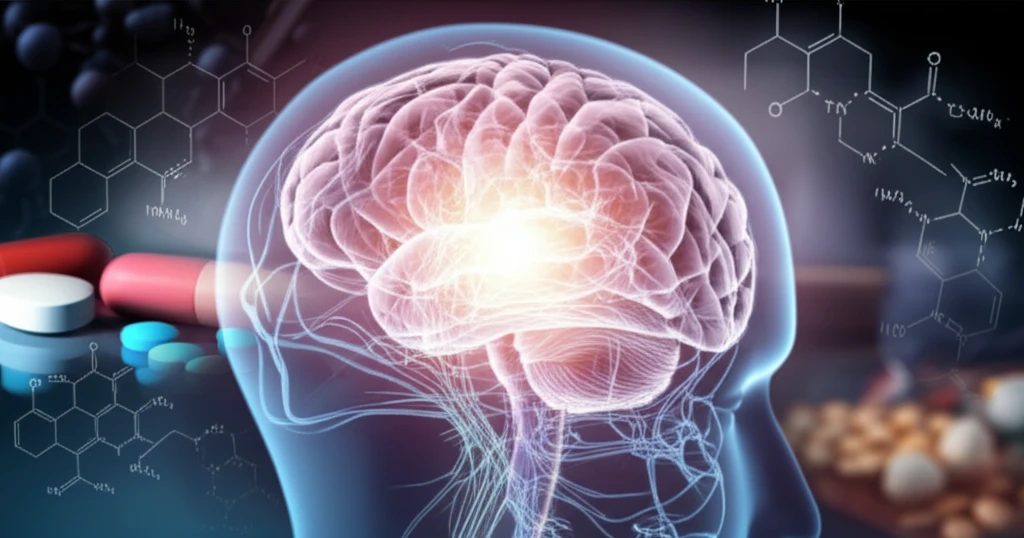
Beyond the Blues: How a Dual-Action Medication Could Revolutionize Depression and Neuropathic Pain Treatment

"Exploring the Innovative Combination of Dosulepin Hydrochloride and Methylcobalamin for Enhanced Mental and Physical Well-being."
In the ever-evolving world of medicine, the search for effective treatments that address multiple health challenges simultaneously is a constant endeavor. Recent research has brought to light a promising combination of drugs, dosulepin hydrochloride and methylcobalamin, offering a beacon of hope for individuals grappling with both depression and neuropathic pain. This dual-action approach signifies a significant step forward in personalized medicine, where treatments are tailored to address the multifaceted nature of these conditions.
Depression, a pervasive mental health disorder, affects millions globally, leading to significant emotional distress and a diminished quality of life. Concurrently, neuropathic pain, a chronic condition caused by nerve damage, presents a debilitating physical challenge. The co-occurrence of these conditions is not uncommon, creating a complex clinical scenario where effective treatment requires a nuanced approach.
This article will delve into the intricacies of this innovative medication, exploring its mechanisms of action, potential benefits, and the impact it could have on the lives of those affected by depression and neuropathic pain. We'll examine the scientific basis of this treatment, providing insights into how it works and what patients can expect.
Current Evidence and Unmet Needs
Dosulepin is being examined in the context of chronic pain alongside depression, anxiety, and insomnia, although the neurology review says more real-world clinical data are needed to understand treatment patterns and outcomes. A 2021 report evaluated eight weeks of dosulepin hydrochloride treatment in patients with major depressive disorder who had not responded to four consecutive weeks of treatment with a single SSRI. Separately, current treatment guidance described in the supplied material does not recommend dosulepin as a first-choice antidepressant, with SSRIs positioned first line.
Combination Formulation and Testing
The supplied pharmaceutical literature describes dosulepin hydrochloride combined with methylcobalamin for neuropathic pain. Analytical work has focused on simultaneous measurement of both ingredients using stability-indicating reversed-phase high-performance liquid chromatography, or RP-HPLC. One method assessed dosulepin hydrochloride at 165, 247.5, 330, 412.5, and 495 μg/ml and methylcobalamin at 5, 7.5, 10, 12.5, and 15 μg/ml, while another report noted that few earlier liquid-chromatography methods addressed dosulepin alone and that simultaneous methods for the combined dosage form had not been reported.
From Tricyclic Antidepressant to Cautionary Therapy
Dosulepin, also known as dothiepin and sold under the brand name Prothiaden, is a tricyclic antidepressant used to treat depression. ScienceDirect describes it as better tolerated than amitriptyline and at least equivalently active for depression, particularly in outpatients. Historical and reference material also records significant concerns, including toxic delirium, delusions, cognitive impairment, and relatively high toxicity in overdose, while a technical history traces its synthesis, preclinical pharmacology, and early clinical trials in major depressive disorder.
Understanding the Dynamic Duo: Dosulepin Hydrochloride and Methylcobalamin
Dosulepin hydrochloride, traditionally recognized as a tricyclic antidepressant, functions by modulating the levels of serotonin and noradrenaline in the brain. This action helps alleviate the symptoms of depression by positively influencing mood regulation. Methylcobalamin, a form of vitamin B12, plays a crucial role in nerve health and is often used to treat neuropathic pain. It aids in the repair and maintenance of nerve cells, thereby reducing pain and improving nerve function.
- Dosulepin Hydrochloride: Acts primarily on the central nervous system to regulate mood and alleviate depressive symptoms.
- Methylcobalamin: Directly supports nerve health, reducing pain and improving nerve function.
- Combined Action: Offers a holistic approach by targeting both the emotional and physical dimensions of associated conditions.
An Emerging Evidence Base
Recent discussion of dosulepin and methylcobalamin presents the combination as a potential approach to depression and neuropathic pain, but the available material does not establish it as a revolutionary or universally effective treatment. The evidence described spans clinical reports, pharmaceutical analysis, and general reviews rather than a single definitive body of large-scale comparative trials. Any conclusions about broader clinical adoption therefore remain provisional.
Safety and Evidence Concerns
NHS guidance identifies dosulepin among products considered to have low clinical effectiveness because of a lack of robust evidence. NICE CG90 advises clinicians not to start or switch to dosulepin because evidence about tolerability is outweighed by increased cardiac risk and toxicity in overdose. The supplied position statement reports that overdose has been associated with high mortality even with hospital treatment, including cases involving ten 75 mg tablets.
Dosulepin Versus SSRIs
The comparative material frames dosulepin as a tricyclic antidepressant and SSRIs as a separate antidepressant class, with comparison centered on efficacy, safety, and mechanisms of action. The available guide says its discussion is based on clinical trial data and pharmacological research intended to support decision-making and future drug development. NHS guidance, however, characterizes dosulepin as having low clinical effectiveness and a lack of robust evidence, highlighting a more cautious position than a simple class-to-class claim of superiority.
A New Horizon in Healthcare
The emergence of dosulepin hydrochloride and methylcobalamin as a combined treatment option represents a significant advancement in healthcare. By addressing both depression and neuropathic pain, this medication offers a holistic approach to patient care, potentially improving the quality of life for many individuals. As research continues to validate and expand upon these findings, this dual-action drug promises to be a valuable tool in the ongoing effort to enhance both mental and physical well-being.
A Dual-Action Rationale
The supplied commentary describes dosulepin as increasing serotonin and noradrenaline levels, neurotransmitters involved in mood regulation, sleep, and appetite. It describes methylcobalamin as an active form of vitamin B12 that addresses potential deficiency and supports nerve-cell health and myelin production. In an eight-week study of Indian patients with major depressive disorder, dosulepin hydrochloride was reported to produce significant and clinically relevant improvements in depression, anxiety, and insomnia symptoms, with most side effects described as mild and related to the study medication.
Mechanisms and Neuropharmacology
Future work described in the supplied review focuses on dosulepin's neuropharmacological properties and its modulation of monoaminergic neurotransmission in the central nervous system. The review places dosulepin within the tricyclic antidepressant class and connects this mechanism with its use in major depressive disorder. This direction could clarify how the drug works biologically, but the source is a technical guide rather than evidence that new clinical benefits have already been established.
Depression With Nerve-Related Pain
The supplied pharmacy sources describe dosulepin plus methylcobalamin as a combination used for depression associated with nerve-related pain. They characterize dosulepin as supporting mood or affecting monoamine neurotransmitters, while methylcobalamin is presented as an active form of vitamin B12 that supports nerve health and repair. Another source notes that dosulepin is being studied in broader research examining how antidepressants affect neurotrophic factors in patients with depression, indicating that biological mechanisms remain an active research question.
Individualized Real-World Decisions
For people living with both depression and neuropathic pain, a combined treatment could be relevant because the proposed approach addresses mood symptoms and nerve-related symptoms within the same therapeutic context. However, the supplied evidence also indicates that dosulepin carries important safety and tolerability considerations, so its suitability may differ substantially between individuals. Real-world decisions would therefore need to balance potential symptom relief against the limitations and risks described in the available research.