
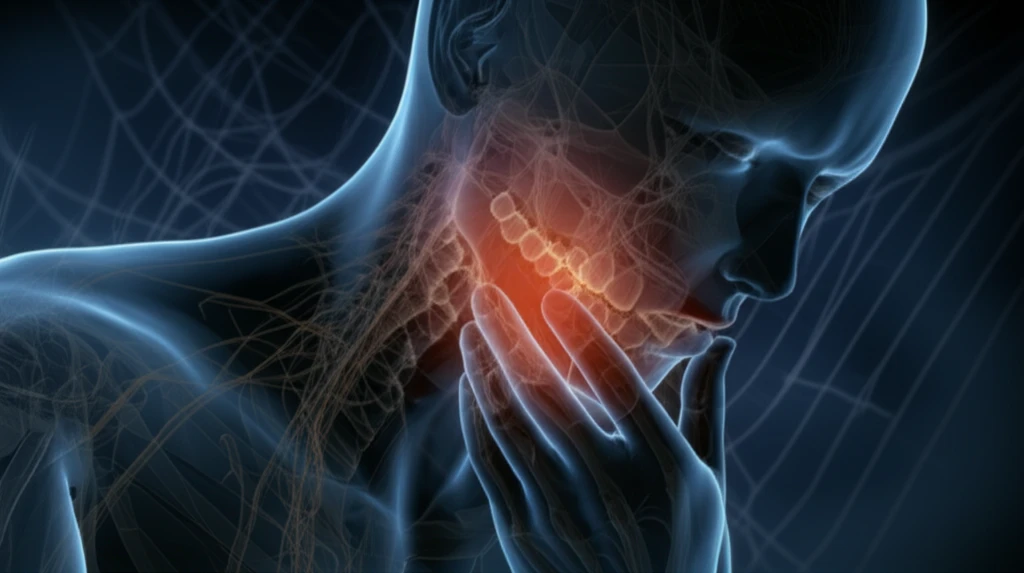
Atypical Tooth Pain: Unmasking the Mystery & Finding Relief

"Is your toothache real, or is it something else? Understand the hidden causes of atypical odontalgia and how to manage this perplexing condition."
Persistent pain in the face and mouth is a frustrating experience, often leading individuals to seek answers from healthcare professionals. However, diagnosing pain in the orofacial region presents a unique challenge because the underlying causes can be complex and varied. Sometimes, the pain stems from the teeth themselves (odontogenic), while other times, it originates from other sources (non-odontogenic) that mimic tooth pain.
Atypical odontalgia (AO) is a specific type of non-odontogenic pain characterized by a persistent toothache in the absence of any identifiable dental problems. Individuals with AO experience real pain, but dentists find no cavities, infections, or other common dental issues to explain it. This can lead to confusion, unnecessary treatments, and ongoing discomfort for the patient.
This article delves into the world of atypical odontalgia, exploring its potential causes, how it's diagnosed, and most importantly, what can be done to manage this challenging condition. We'll translate complex research into clear, actionable information, empowering you to understand AO and work towards finding relief.
A Chronic Pain Condition With Limited Epidemiological Study
Neuropathic dental pain, also called atypical odontalgia (AO) or phantom tooth pain (PTP), is described as persistent tooth or facial pain without identifiable dental pathology. AO has also been called phantom tooth, idiopathic tooth pain, chronic continuous dental-alveolar pain, and persistent dental-alveolar pain disorder. Although other chronic facial pain conditions such as temporomandibular disorders have been studied epidemiologically, systematic evaluation of AO remains limited, and its causes, diagnosis, and management continue to be problematic. A 2024 review describes AO as persistent pain affecting teeth or tooth sockets after treatments such as root canal therapy or extraction, even when no cause is identifiable.
The Phantom Tooth Pain Name and Early Research
The term “phantom tooth pain” was introduced in 1993, according to an update on atypical odontalgia. Earlier foundational work cited in the literature includes Marbach’s 1978 paper, “Phantom tooth pain,” published in the Journal of Endodontics. A 1990 study by Hu, Sharav, and Sessle examined how one- or two-stage deafferentation of mandibular and maxillary tooth pulps affected trigeminal brainstem neuron function. These milestones reflect both the development of terminology and early investigation of neural mechanisms.
What Causes Atypical Tooth Pain?
The exact cause of AO is still not completely understood, but researchers believe several factors can play a role. It's important to remember that each person's experience with AO can be unique, and the underlying cause may vary from case to case. Here's a breakdown of the leading theories:
- Deafferentation: Disruption of nerve signals, often following dental procedures like extractions or root canals.
- Central Sensitization: Increased sensitivity of the central nervous system, causing even normal stimuli to be perceived as painful.
- Nerve Sprouting: Abnormal growth of nerve fibers that can lead to misinterpretation of signals.
Recent Reviews and Diagnostic Research
A 2024 review describes atypical odontalgia, also called phantom tooth pain, as persistent pain in teeth or tooth sockets after root canal therapy or extraction, despite no identifiable cause on clinical or radiographic examination. A systematic review of post-traumatic trigeminal neuropathy associated with endodontic therapy notes that the condition was first reported by McElin and Horton in 1947 and that many clinical cases since have been associated with root canal therapy. Research on persistent idiopathic dentoalveolar pain has also examined serum 3-hydroxybutyrate as a potential supportive diagnostic marker. The study’s cited work by List et al. reports that people with PDAP tended to have more coexisting pain conditions and higher depression and somatization scores.
- Psychogenic Factors: Emotional distress, anxiety, or depression can amplify pain perception.
- Vascular Issues: Problems with blood vessels in the face, although this theory is less supported by evidence.
- Idiopathic Origin: In some cases, the cause of AO remains unknown.
Hope for Relief: Managing Atypical Odontalgia
While there's no magic bullet for AO, effective management strategies can significantly improve your quality of life. Because AO is complex, the best approach often involves a team of specialists, including dentists, pain specialists, and mental health professionals.
A Pain Disorder With Overlapping Names
Persistent dentoalveolar pain disorder (PDAP) is described as a chronic orofacial pain condition also referred to as atypical odontalgia, phantom tooth pain, or painful traumatic trigeminal neuropathy. A separate review defines AO as trigeminal neuropathic pain occurring without clinical or radiographic evidence of conditions such as caries, tooth fracture, periodontal disease, or osseous pathology. The literature also notes that multiple synonyms may contribute to confusion for clinicians. Patients with AO are reported to experience continuous pain in the teeth, gingiva, or tooth socket, and the condition is often misdiagnosed.
Key Strategies for Managing AO:<ul><li>Patient Education: Understanding AO is the first step.</li><li>Medications: Tricyclic antidepressants (TCAs) and other pain-relieving medications can help modulate pain signals.</li><li>Topical Treatments: Creams or patches containing anesthetics or capsaicin may provide localized relief.</li><li>Therapy: Cognitive behavioral therapy (CBT) and other therapies can help manage the emotional and psychological aspects of chronic pain.</li><li>Avoiding Unnecessary Dental Work: Since dental procedures can sometimes trigger or worsen AO, it's crucial to avoid unnecessary interventions.</li></ul>
Living with atypical odontalgia can be challenging, but it's important to remember that you're not alone. With the right approach and support, you can manage your pain and reclaim your life.