
Auer Rods: When Leukemia Shows Up Differently

"Unusual presentation of leukemia in a child reveals the importance of recognizing atypical signs"
Leukemia, a cancer of the blood, often presents with a complex array of symptoms and diagnostic markers. While certain indicators are commonly observed, the disease can sometimes manifest in unexpected ways, confounding initial assessments and requiring a keen eye for detail.
A recent case study highlights such an instance, detailing the unique presentation of mixed phenotype acute leukemia (MPAL) in an 11-year-old boy. This case underscores the importance of recognizing atypical signs and symptoms that deviate from the norm, potentially leading to earlier and more accurate diagnoses.
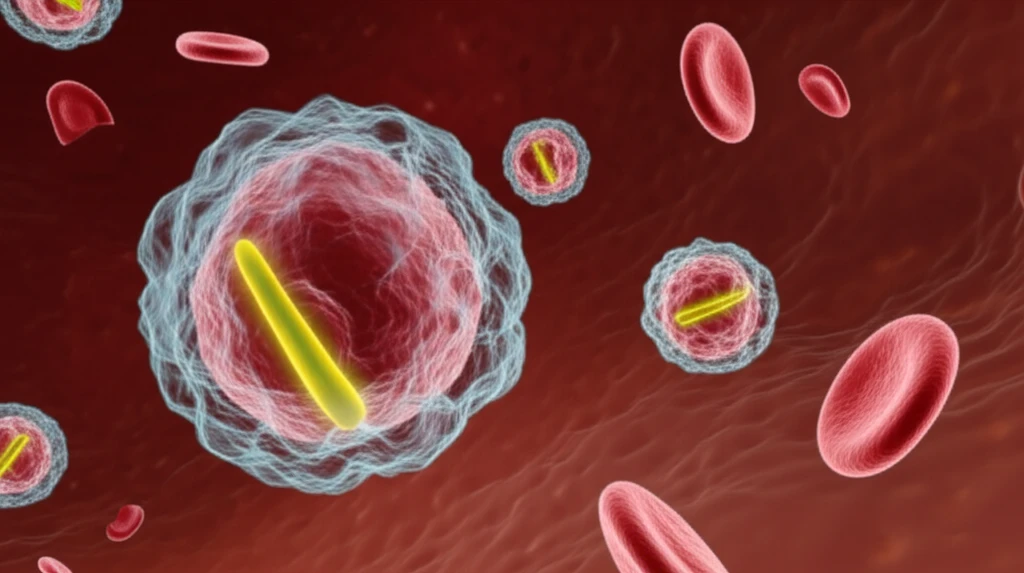
The conventional understanding of leukemia involves the presence of Auer rods, crystalline inclusions found within the cytoplasm of immature blood cells called blasts. However, this case defies expectations by reporting the presence of Auer rods in mature neutrophils, a phenomenon rarely encountered and prompting a reevaluation of diagnostic approaches.
What Makes This Leukemia Case Unique?
The 11-year-old patient was admitted to the emergency department displaying persistent circumoral impetigo, a skin infection around the mouth. Further examination revealed additional symptoms, including skin pallor, enlarged lymph nodes, and hepatosplenomegaly (enlargement of the liver and spleen). Blood tests indicated an elevated white blood cell count (32.5 × 10º/l), low hemoglobin levels (90 g/l), and a platelet count of 220 × 10°/l, with 73% circulating blasts, signaling a potential hematological malignancy.
- Peripheral blood (top images) and bone marrow (bottom images)
- 90% CD45weak, CD34+ and HLA-DR+
- Myeloid markers CD13, CD117 and myeloperoxidase.
- T-cell markers: CD2, CD99 and cytoplasmic CD3. CD4 and CD8 expression were absent
- TP53 mutation and WT1 overexpression were present
Why Does This Matter?
This case emphasizes the importance of maintaining a broad differential diagnosis and considering atypical presentations, especially in cases of leukemia. While Auer rods are typically associated with blasts, their presence in mature neutrophils should prompt further investigation and consideration of MPAL. Recognizing such deviations from the norm can lead to more timely and accurate diagnoses, ultimately improving patient outcomes. Further research is needed to fully understand the mechanisms driving Auer rod formation in mature neutrophils and the clinical implications of this unusual phenomenon.