
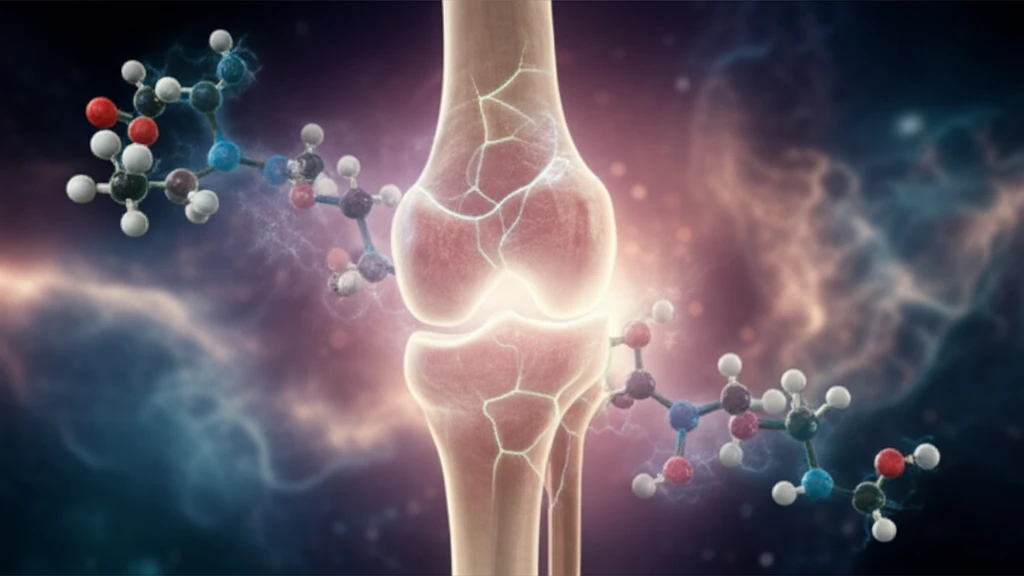
Surreal illustration of bisphosphonate and fractured femur, representing bone health risks.

Atypical Femur Fractures: What You Need to Know About Bone Health and Long-Term Medication

"Are Bisphosphonates Compromising Your Bone Strength? Uncover the link between long-term use and atypical fractures, and learn how to safeguard your skeletal health."


Bisphosphonates (BPs) are widely prescribed to manage osteoporosis and other bone disorders, effectively slowing bone resorption and reducing the risk of osteoporotic fractures. These medications have significantly improved the lives of many, particularly postmenopausal women.

However, long-term bisphosphonate use has been linked to a rare but concerning side effect: atypical femur fractures (AFFs). These unusual fractures occur with little or no trauma, often in the diaphysis (shaft) of the femur.

Understanding the potential risks associated with bisphosphonates is crucial for making informed decisions about your bone health. This article delves into the current research on atypical femur fractures, exploring the factors that contribute to their development, how they are diagnosed, and what steps you can take to maintain strong, healthy bones.

Understanding Atypical Femur Fractures: Are You at Risk?

Surreal illustration of bisphosphonate and fractured femur, representing bone health risks.

Atypical femur fractures differ from typical osteoporotic fractures. They often occur after minimal trauma, such as a fall from standing height, and are characterized by a distinct fracture pattern in the femoral shaft. The American Society for Bone and Mineral Research (ASMBR) has established criteria to help doctors identify these fractures.

While the absolute risk of developing an AFF remains small, studies have shown a correlation between increased bisphosphonate exposure and fracture risk. This suggests that the longer you take these medications, the higher the potential risk, though the benefit often continues to outweigh the risk for many patients.

  • Major criteria include:
    • Minimal or no trauma leading to the fracture.
    • Fracture line originating at the lateral cortex of the femur.
    • A complete fracture through both cortices or an incomplete fracture involving only the lateral cortex.
    • Minimal or no comminution (fragmentation) of the bone.
    • Localized thickening of the outer layer of the bone (periosteum) at the fracture site.
  • Minor criteria may include:
    • Increased cortical thickness of the femoral diaphysis.
    • Prodromal symptoms such as pain in the groin or thigh.
    • Bilateral (both sides) incomplete or complete fracture of the diaphysis.
    • Delayed healing of the fracture.
It's important to note that AFFs are more common in elderly women. Factors like age, BMI, bone mineral density, and the degree of bowing in the femur can all influence the location of the fracture. If you are taking bisphosphonates and experience new or unusual thigh or groin pain, consult your physician.

What's Next? Balancing Bone Health and Medication Risks

Research indicates that the mechanism behind AFFs involves suppressed bone turnover. Bisphosphonates slow down the rate at which old bone is removed and replaced, and this can lead to accumulation of microdamage and changes in bone structure over time. Microdamage and microscopic cracks can increase the risk of fracture and impair normal bone healing.

If you have been taking bisphosphonates for an extended period, discuss the benefits and risks with your doctor. They may recommend a "drug holiday," where you temporarily stop taking the medication to allow bone turnover to normalize. Studies suggest that bone histomorphometry returns to near-normal levels upon cessation of treatment.

Maintaining a healthy lifestyle with adequate calcium and vitamin D intake, along with weight-bearing exercise, is critical for supporting bone health. Regular communication with your healthcare provider and awareness of potential risks are key to making informed decisions about your long-term well-being. If you are on BP treatment, it is important to be well observed for atypical symptoms whilst on treatment, and report any new signs to your doctor as soon as possible.

About this Article -

This article was crafted using a human-AI hybrid and collaborative approach. AI assisted our team with initial drafting, research insights, identifying key questions, and image generation. Our human editors guided topic selection, defined the angle, structured the content, ensured factual accuracy and relevance, refined the tone, and conducted thorough editing to deliver helpful, high-quality information.See our About page for more information.

This article is based on research published under:

DOI-LINK: 10.1016/j.injury.2018.10.008, Alternate LINK

Title: Atypical Fractures And Molecular Environment: What Do We Know?

Subject: Orthopedics and Sports Medicine

Journal: Injury

Publisher: Elsevier BV

Authors: Abdel R. Elniel, Peter V. Giannoudis

Published: 2018-11-01

Everything You Need To Know

1

What are Bisphosphonates and how do they affect the body?

Bisphosphonates are medications commonly prescribed for osteoporosis and other bone disorders. They work by slowing down bone resorption, which is the process where old bone is broken down and removed by the body. This helps to increase bone density and reduce the risk of fractures, especially in postmenopausal women. Bisphosphonates have significantly improved the lives of many by reducing the risk of osteoporotic fractures. Understanding how they work is important for anyone taking them, to be aware of their function within the body.

2

What are Atypical Femur Fractures, and how do they differ from typical fractures?

Atypical Femur Fractures (AFFs) are unusual fractures that can occur in the femur, specifically in the diaphysis (shaft), often with minimal or no trauma. They differ significantly from typical osteoporotic fractures. The ASMBR has established criteria to help doctors identify these fractures. Characteristics include fracture lines originating at the lateral cortex of the femur, minimal comminution, and localized thickening of the periosteum. These fractures are of particular concern because they can be associated with long-term bisphosphonate use, as the medication can suppress bone turnover, potentially leading to microdamage and changes in bone structure. This can increase the risk of fracture and impair normal bone healing.

3

What are the main risk factors for Atypical Femur Fractures?

The primary risk factor highlighted is long-term use of Bisphosphonates. Studies have shown a correlation between prolonged exposure to these medications and an increased risk of Atypical Femur Fractures, although the absolute risk remains small. Other factors, such as age, BMI, bone mineral density, and the degree of bowing in the femur, also can influence the location of the fracture. The relationship between these factors and the risk of AFFs underscores the importance of a comprehensive approach to bone health management, especially in those undergoing long-term medication.

4

What should I do if I experience pain while taking Bisphosphonates?

If you're taking Bisphosphonates and experiencing new or unusual pain in your thigh or groin, it's crucial to consult your physician immediately. These prodromal symptoms could indicate the development of an Atypical Femur Fracture. Early diagnosis and intervention are critical for managing bone health effectively. Other signs of an AFF may include pain, and delayed healing of a fracture. The prompt attention to these symptoms is important to minimize potential complications and ensure appropriate care.

5

How does long-term use of Bisphosphonates potentially contribute to bone health issues?

Bisphosphonates can lead to suppressed bone turnover, which is the process of removing and replacing old bone with new bone. This slowdown can cause a buildup of microdamage and alterations in bone structure over time. While Bisphosphonates are effective in managing osteoporosis by increasing bone density and reducing fracture risk, their impact on bone turnover can create a potential for atypical fractures. This shows the importance of regular monitoring and discussions with healthcare providers about the benefits and risks of long-term use, to find the best balance for maintaining bone health and minimizing potential complications.

Newsletter Subscribe

Subscribe to get the latest articles and insights directly in your inbox.