
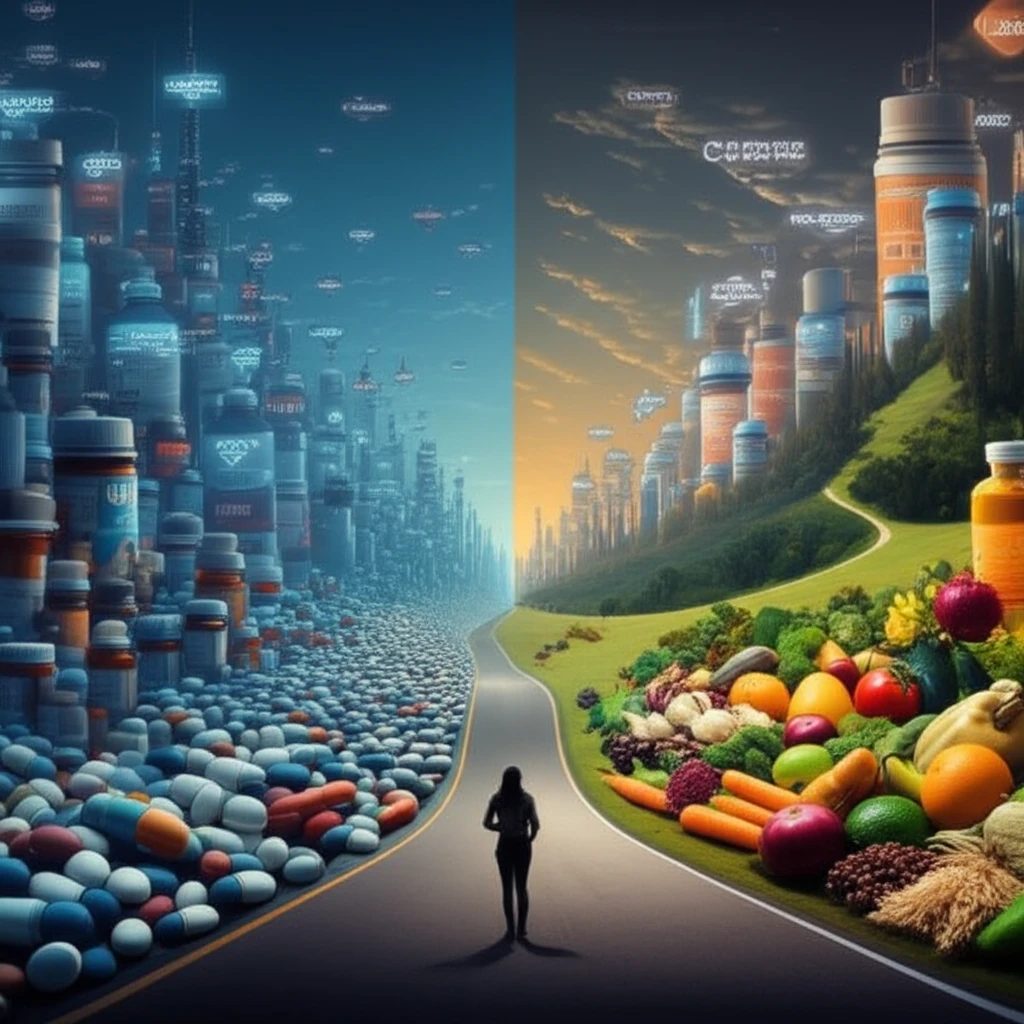
Crossroads of Health: Choosing between medication and holistic wellness.

Are We Overmedicating? Unveiling the Truth About Modern Medicine and Natural Alternatives

"Explore the potential downsides of over-reliance on pharmaceuticals and discover holistic approaches to health in our comprehensive analysis."


In an era defined by pharmaceutical advancements, it's easy to assume that every ailment requires a pill. From everyday discomforts to chronic conditions, the prevailing approach often leans heavily on medication. But is this reliance truly in our best interest? Are we, as a society, becoming overmedicated, and what are the potential consequences of this trend?

The medical landscape is complex, with pharmaceutical companies wielding significant influence, as highlighted in Peter C Gøtzsche's 'Deadly Medicines and Organised Crime.' This book uncovers the darker side of the industry, suggesting that profit motives can sometimes overshadow patient welfare. But it's not just about corruption; the sheer volume of available medications and the ease with which they are prescribed contribute to a culture where natural healing and lifestyle adjustments are often overlooked.

This article delves into the heart of this issue, examining the potential risks of overmedication while exploring the benefits of alternative and holistic approaches to health. We'll consider the role of pharmaceutical companies, the impact on our bodies and minds, and how you can make informed decisions about your healthcare journey. Whether you're a seasoned healthcare professional or simply curious about optimizing your well-being, this exploration offers valuable insights into navigating the world of modern medicine and natural alternatives.

The Rising Tide of Pharmaceutical Consumption: What's Driving the Trend?

Crossroads of Health: Choosing between medication and holistic wellness.

Several factors contribute to the increasing reliance on medications. The most prominent is the aggressive marketing tactics employed by pharmaceutical companies. Direct-to-consumer advertising, while legal in some regions, has normalized the idea that a pill can solve almost any problem. These ads often downplay potential side effects and exaggerate the benefits, leading patients to request specific medications from their doctors.

Another driver is the fast-paced nature of modern life. Many individuals seek quick fixes for their health issues rather than investing in long-term lifestyle changes. A headache? Pop an ibuprofen. Feeling stressed? Reach for an anti-anxiety medication. While these solutions may provide temporary relief, they often fail to address the root causes of the problem, leading to a cycle of dependency.

  • Increased Life Expectancy: As people live longer, they are more likely to develop chronic conditions that require medication.
  • Greater Awareness and Diagnosis: Increased screening and diagnostic capabilities mean that more conditions are being identified and treated with drugs.
  • Changing Lifestyles: Sedentary habits, poor diets, and chronic stress all contribute to health problems that are often managed with medication.
  • Accessibility to Healthcare: Broader healthcare coverage has made medications more accessible to a larger portion of the population.
The pressure on healthcare providers to see more patients in less time also plays a role. In a busy practice, it's often easier and faster to prescribe a medication than to counsel a patient on diet, exercise, or stress management techniques. This can lead to a situation where medication becomes the default option, even when other approaches might be more appropriate.

Navigating the Path to Balanced Health: A Call to Informed Choices

The journey to balanced health is a deeply personal one, requiring careful consideration and informed decision-making. By understanding the potential risks of overmedication and exploring the benefits of natural alternatives, you can chart a course that aligns with your unique needs and values. Embrace a holistic approach, prioritize preventive care, and foster a collaborative relationship with your healthcare provider. Together, you can unlock the door to a healthier, more vibrant future.

About this Article -

This article was crafted using a human-AI hybrid and collaborative approach. AI assisted our team with initial drafting, research insights, identifying key questions, and image generation. Our human editors guided topic selection, defined the angle, structured the content, ensured factual accuracy and relevance, refined the tone, and conducted thorough editing to deliver helpful, high-quality information.See our About page for more information.

Everything You Need To Know

1

What are the main factors contributing to the increasing reliance on medications in modern healthcare?

Several factors fuel the trend of increased medication usage. Pharmaceutical companies' aggressive marketing tactics, including direct-to-consumer advertising, normalize the idea that a pill can solve nearly any problem. The fast-paced nature of modern life also plays a role, with individuals often seeking quick fixes instead of investing in lifestyle changes. Furthermore, increased life expectancy, greater awareness and diagnosis of conditions, changing lifestyles, and broader healthcare coverage all contribute to this trend. Healthcare providers, pressured to see more patients, may find it easier to prescribe medication than to provide counseling on lifestyle adjustments.

2

How do pharmaceutical companies influence the medical landscape, and what are the potential implications according to the book 'Deadly Medicines and Organised Crime'?

Pharmaceutical companies wield significant influence through various means, including aggressive marketing. Peter C Gøtzsche's 'Deadly Medicines and Organised Crime' uncovers the darker side of the industry, suggesting that profit motives can sometimes overshadow patient welfare. This raises concerns about the potential for corruption and the prioritization of financial gain over patient health. The book highlights potential issues related to the industry's practices, emphasizing the need for critical evaluation of pharmaceutical interventions.

3

What are some potential downsides of overmedication, and why is it a growing concern?

While not explicitly detailed in the provided text, the potential downsides of overmedication are implied through the exploration of the reliance on pharmaceuticals. The text suggests the possibility of overlooking natural healing and lifestyle adjustments. This could lead to a cycle of dependency and a failure to address the root causes of health problems. The article encourages considering potential risks and exploring the benefits of natural alternatives.

4

In what ways can individuals make informed decisions about their healthcare journey and move towards a more balanced approach to health?

Individuals can navigate the path to balanced health by understanding the potential risks of overmedication and exploring the benefits of natural alternatives. This includes embracing a holistic approach, which considers the interconnectedness of mind and body. Prioritizing preventive care, such as healthy eating, regular exercise, and stress management, is crucial. Furthermore, individuals should foster a collaborative relationship with their healthcare provider, engaging in open communication and shared decision-making to ensure their unique needs and values are met.

5

How does the pressure on healthcare providers influence the prescription of medications, and what alternative approaches might be more appropriate?

The pressure on healthcare providers to see more patients in less time can lead to medication becoming the default option. In busy practices, prescribing medication can be quicker than counseling patients on lifestyle changes. Alternative approaches include counseling patients on diet, exercise, and stress management techniques. These proactive methods can address the root causes of health problems and promote long-term well-being, potentially reducing the need for medication in some cases.

Newsletter Subscribe

Subscribe to get the latest articles and insights directly in your inbox.