
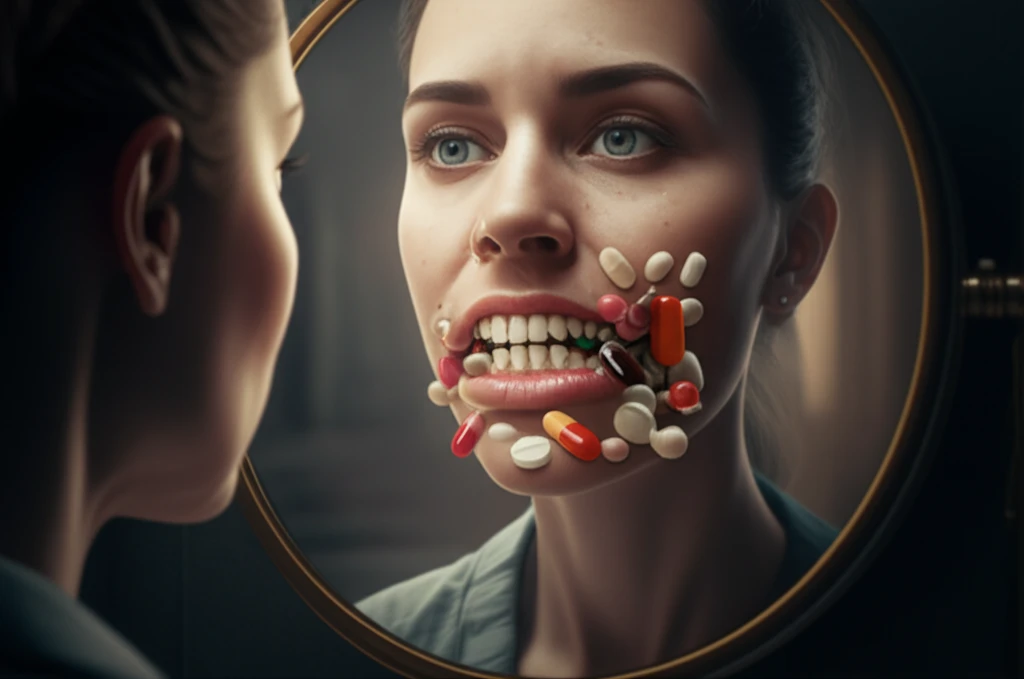
Antibiotic Self-Medication: Are You Putting Your Health at Risk?

"Uncover the Dangers of Self-Prescribing Antibiotics for Oral Health Issues."
In an era where quick fixes and readily available information are at our fingertips, the temptation to self-medicate can be strong. However, when it comes to antibiotics, this approach can be fraught with danger. While antibiotics are powerful tools in fighting bacterial infections, their misuse contributes significantly to antibiotic resistance, rendering these life-saving drugs ineffective over time. For oral health issues, this is a growing concern, as many individuals resort to self-prescribing antibiotics without proper diagnosis or guidance.
A recent study conducted at Taibah University Dental College and Hospital in Saudi Arabia sheds light on the prevalence and contributing factors of antibiotic self-medication (ASM) for oral conditions. The research highlights a worrying trend: a significant portion of dental patients are taking matters into their own hands, often with serious consequences.
This article will explore the key findings of this study, explain the risks associated with antibiotic self-medication, and emphasize the importance of seeking professional dental care for any oral health issues. By understanding the potential dangers and making informed decisions, you can protect your health and contribute to the fight against antibiotic resistance.
The Dangers of Self-Prescribing Antibiotics: What You Need to Know
The Taibah University study revealed that 27% of dental patients surveyed admitted to self-medicating with antibiotics for oral health problems. This practice was found to be significantly associated with older adults, lack of medical or dental insurance, and infrequent dental visits. It indicates a concerning pattern of individuals potentially forgoing professional healthcare in favor of a more accessible, but ultimately riskier, solution.
- Incorrect Diagnosis: Without a proper examination from a dentist, it's difficult to determine the true cause of an oral health issue. Antibiotics are only effective against bacterial infections; they won't work for viral or fungal infections, or for pain caused by other factors.
- Inappropriate Antibiotic Use: Even if a bacterial infection is present, the wrong type of antibiotic may be chosen, leading to treatment failure and the development of antibiotic-resistant bacteria.
- Dosage and Duration: Self-medicating often leads to incorrect dosages or treatment durations, further contributing to antibiotic resistance and potentially causing harmful side effects.
- Masking Symptoms: Antibiotics can temporarily alleviate symptoms without addressing the underlying problem, delaying proper treatment and potentially leading to more serious complications.
- Adverse Reactions: Antibiotics can cause a range of side effects, from mild gastrointestinal upset to severe allergic reactions. Without medical supervision, these reactions can be difficult to manage.
Protecting Your Health: The Importance of Professional Dental Care
The findings of this study underscore the importance of seeking professional dental care for any oral health issues. A qualified dentist can accurately diagnose the problem, determine the appropriate treatment, and prescribe antibiotics only when necessary. This approach not only ensures effective treatment but also helps to combat the growing threat of antibiotic resistance.
Here are some steps you can take to protect your health:
<ul> <li><b>Schedule regular dental check-ups:</b> Preventive care can help identify and address oral health problems early, reducing the need for antibiotics.</li> <li><b>Consult a dentist for any oral health concerns:</b> Don't self-diagnose or self-medicate. A dentist can provide the correct diagnosis and treatment plan.</li> <li><b>Follow your dentist's instructions carefully:</b> If antibiotics are prescribed, take them exactly as directed and complete the full course of treatment.</li> <li><b>Don't share antibiotics:</b> Antibiotics are prescribed for a specific individual and infection. Sharing them can be dangerous and contribute to antibiotic resistance.</li> <li><b>Ask your dentist about alternatives to antibiotics:</b> In many cases, oral health issues can be effectively treated with other methods, such as operative dental interventions or topical medications.</li> </ul> By prioritizing professional dental care and using antibiotics responsibly, you can protect your health, preserve the effectiveness of these life-saving drugs, and contribute to a healthier future for all.