
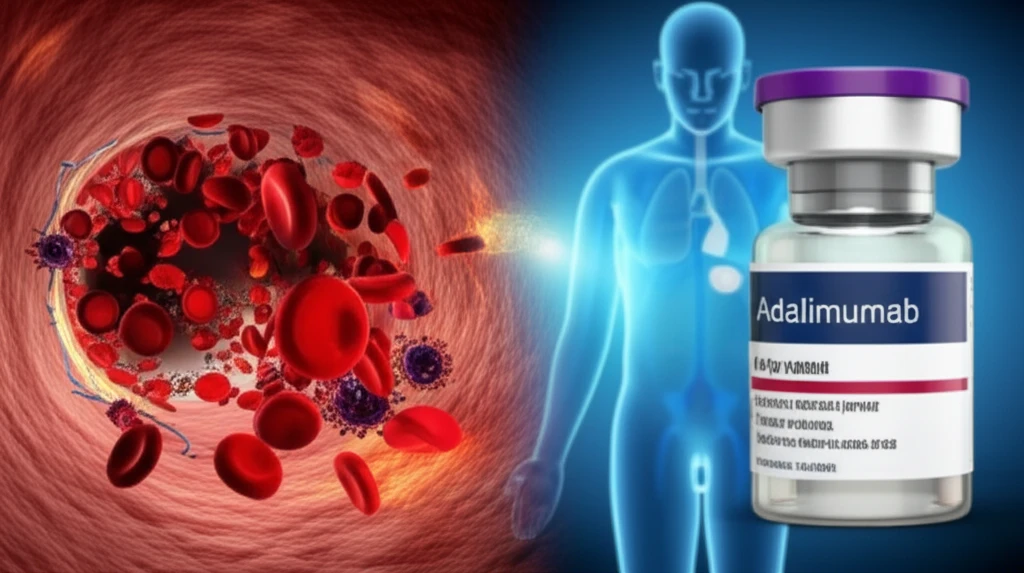
Adalimumab's Promise: A New Hope for Polyarteritis Nodosa?

"Exploring the Potential of Adalimumab Therapy in Managing Polyarteritis Nodosa: A Case Study Analysis"
Polyarteritis nodosa (PAN), a rare and challenging form of vasculitis, presents significant hurdles in treatment due to its complex nature. Characterized by inflammation of medium- and small-sized arteries, PAN can lead to severe complications if left unmanaged. Traditional treatments often involve corticosteroids and immunosuppressants, but these can come with their own set of challenges, including potential side effects and limited efficacy in some cases.
In recent years, the use of biologic agents, such as TNF inhibitors, has emerged as a potential avenue for managing PAN, particularly in cases where conventional treatments have failed or the disease has relapsed. This article delves into a specific case study, exploring the effects of Adalimumab (ADA), a TNF inhibitor, on a patient with hepatitis B virus-negative PAN. The study aims to provide insights into the potential efficacy of ADA in controlling disease activity.
Through the examination of this case, we will explore the patient's experience, the treatment protocol, and the outcomes observed over a 26-month period. This analysis aims to offer a glimpse into the potential of ADA in managing PAN and provide hope for individuals affected by this challenging condition.
Understanding Polyarteritis Nodosa (PAN): Causes, Symptoms, and Treatments
Polyarteritis nodosa (PAN) is a rare autoimmune disease that causes inflammation of the blood vessels, primarily affecting medium-sized arteries. The exact cause of PAN remains unknown, but it is believed to involve an abnormal immune response that attacks the blood vessels. This inflammation can lead to vessel damage, reducing blood flow to various organs and tissues, which can cause a wide range of symptoms.
- Corticosteroids: The primary treatment for many cases, often used to reduce inflammation.
- Immunosuppressants: Medications like cyclophosphamide or azathioprine are often added to control the immune system.
- Biologic Agents: TNF inhibitors like Adalimumab may be considered when conventional treatments fail or in cases of severe disease.
- Symptom Management: Pain relievers, blood pressure medications, and other supportive treatments address specific symptoms.
Looking Ahead: The Future of Adalimumab in PAN Treatment
The case study of Adalimumab's use in PAN offers a promising glimpse into the future of treating this complex disease. While this study involves a single patient, the positive outcomes suggest that Adalimumab may play a role in managing PAN. The potential for fewer relapses and a reduction in disease activity could significantly improve the quality of life for those living with PAN. Continued research, including larger-scale studies, is crucial to fully understand the benefits and long-term effects of Adalimumab in PAN treatment, ultimately providing hope for a better future for people affected by this disease.