
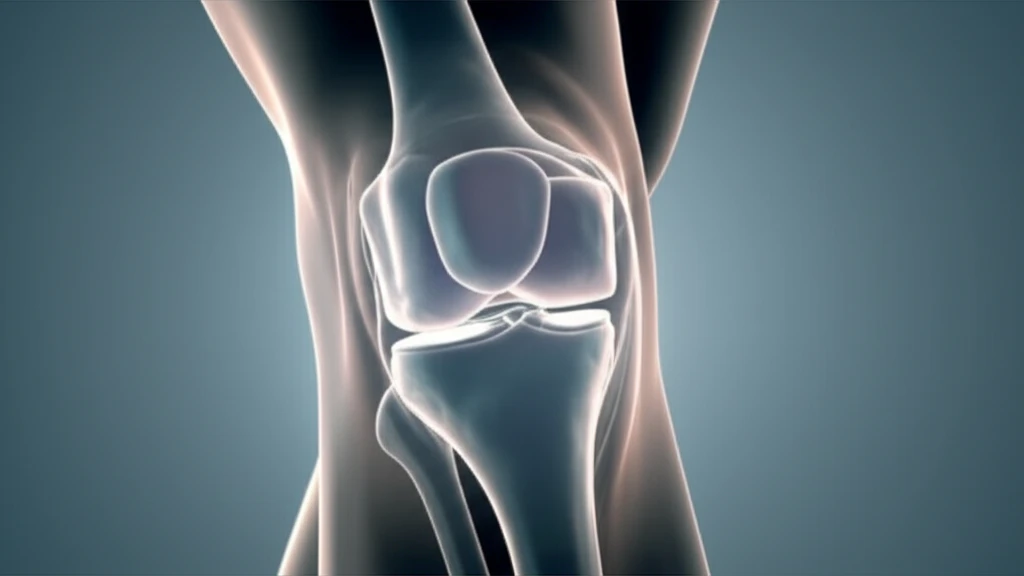
Surreal illustration of ACL reconstruction with amniotic membrane promoting healing.

ACL Reconstruction: Can Amniotic Membrane Patches Speed Up Recovery?

"Exploring a Novel Approach to ACL Surgery with Amniotic Membrane Allografts"


Anterior Cruciate Ligament (ACL) injuries are a common setback, especially for athletes. Traditional ACL reconstruction uses either autografts (tissue from your own body) or allografts (tissue from a donor) to repair the torn ligament. While effective, the recovery process can be lengthy, and athletes are eager to return to their pre-injury activity levels as quickly as possible.

Researchers are constantly exploring new ways to enhance the healing process and improve outcomes after ACL reconstruction. One promising area of investigation involves the use of amniotic membrane allografts. These membranes, derived from the placenta, possess unique properties that may promote tissue regeneration and reduce inflammation.

This article delves into a case study that examines the potential benefits of using a dehydrated human amnion/chorion membrane (dHACM) allograft to augment a hamstring autograft during ACL reconstruction. We'll explore how this combined approach may contribute to accelerated healing, improved graft maturation, and a faster return to sports.

A Closer Look at Amniotic Membrane in ACL Repair

Surreal illustration of ACL reconstruction with amniotic membrane promoting healing.

A 23-year-old female skier with an MRI-confirmed ACL tear underwent arthroscopic-assisted ACL reconstruction. In this procedure, a quadruple-stranded hamstring autograft (tissue taken from the patient's hamstring tendons) was augmented with a dHACM allograft patch (AmnioFix, MiMedx Group, Inc.).

The dHACM allograft was wrapped around the hamstring graft before being secured in place using the Tape Locking Screw (TLS) technique. Post-operative MRI scans were conducted at three and six months to monitor the healing and maturation of the graft.

  • Faster Vascularization: MRI scans revealed increased dark signal at three months, indicating early vascularization (blood vessel formation) within the autograft.
  • Continued Maturation: The six-month MRI showed continued maturation of the graft.
  • Accelerated Rehab: The patient's rehabilitation progressed at an accelerated rate, with improvements in strength and proprioception (body awareness).
  • Early Return to Sport: The patient was cleared to return to full sports activity just eight months after surgery.
These outcomes suggest that the dHACM allograft may have contributed to a more rapid and robust healing response. Amniotic membranes contain various growth factors and anti-inflammatory agents that could potentially enhance tissue regeneration and reduce scar tissue formation.

The Future of ACL Reconstruction

This case study offers a glimpse into the potential of amniotic membrane allografts to enhance ACL reconstruction outcomes. By augmenting traditional techniques with dHACM, surgeons may be able to promote faster healing, improve graft maturation, and accelerate the return to sports.

While these results are encouraging, further research is needed to confirm these findings and determine the optimal application of amniotic membrane technology in ACL reconstruction. Larger clinical trials with longer follow-up periods are necessary to fully evaluate the safety and efficacy of this approach.

As research continues, amniotic membrane augmentation may become a valuable tool in the armamentarium of orthopedic surgeons, helping athletes and active individuals recover more quickly and fully from ACL injuries.

About this Article -

This article was crafted using a human-AI hybrid and collaborative approach. AI assisted our team with initial drafting, research insights, identifying key questions, and image generation. Our human editors guided topic selection, defined the angle, structured the content, ensured factual accuracy and relevance, refined the tone, and conducted thorough editing to deliver helpful, high-quality information.See our About page for more information.

This article is based on research published under:

DOI-LINK: 10.4172/2161-0533.1000213, Alternate LINK

Title: Arthroscopic-Assisted Anterior Cruciate Ligament Reconstruction Using Hamstring Autograft Augmented With A Dehydrated Human Amnion/Chorion Membrane Allograft: A Retrospective Case Report

Subject: General Medicine

Journal: Orthopedic & Muscular System

Publisher: OMICS Publishing Group

Authors: Gary A Levengood

Published: 2016-01-01

Everything You Need To Know

1

What are the conventional methods for ACL reconstruction, and what is driving the exploration of new techniques?

Traditional ACL reconstruction often involves using autografts, which are tissues taken from your own body, or allografts, which are tissues from a donor, to repair the torn anterior cruciate ligament. These methods are effective, but the recovery can be lengthy. Researchers are exploring new approaches like using amniotic membrane allografts to potentially speed up healing and improve outcomes.

2

How was the amniotic membrane used in the described ACL reconstruction case, and what specific products were involved?

In the described case, a 23-year-old female skier underwent ACL reconstruction where her torn ACL was repaired using a quadruple-stranded hamstring autograft augmented with a dehydrated human amnion/chorion membrane (dHACM) allograft patch, specifically AmnioFix from MiMedx Group, Inc. The dHACM was wrapped around the hamstring graft and secured using the Tape Locking Screw (TLS) technique. This approach aims to leverage the regenerative properties of the amniotic membrane to enhance healing.

3

What are the potential benefits of using amniotic membrane allografts, such as dehydrated human amnion/chorion membrane (dHACM), in ACL repair?

Amniotic membranes, like the dehydrated human amnion/chorion membrane (dHACM) allograft used in this case, contain growth factors and anti-inflammatory agents. These components can potentially enhance tissue regeneration, reduce scar tissue formation, and promote faster vascularization (blood vessel formation). In ACL reconstruction, using dHACM aims to create a more favorable environment for the graft to heal and mature.

4

What did the MRI scans reveal about the healing process when a dehydrated human amnion/chorion membrane (dHACM) allograft was used in ACL reconstruction, and how did the patient progress?

Post-operative MRI scans in the case study revealed increased dark signal at three months, indicating early vascularization within the autograft. By six months, the MRI showed continued maturation of the graft. Clinically, the patient experienced accelerated rehabilitation, with improvements in strength and proprioception, and was cleared to return to full sports activity just eight months after surgery. These results suggest that the dHACM allograft may contribute to a more rapid and robust healing response.

5

What are the broader implications of using dehydrated human amnion/chorion membrane (dHACM) allografts in ACL reconstruction, and what further research is needed?

Augmenting ACL reconstruction with dehydrated human amnion/chorion membrane (dHACM) allografts shows promise but it's still an evolving area. It could potentially lead to faster healing, improved graft maturation, and quicker return to sports. However, more extensive research is needed to fully understand the long-term effects, optimal application techniques, and the specific patient populations that would benefit most from this approach. Future studies should also compare outcomes against traditional ACL reconstruction methods without dHACM to definitively establish its advantages.

Newsletter Subscribe

Subscribe to get the latest articles and insights directly in your inbox.