

eHealth for Bariatric Surgery: A Smarter Way to Lose Weight?
Discover how eHealth platforms and devices can enhance weight loss, improve co-morbidity reduction, and boost patient commitment after bariatric surgery.
Discover how eHealth platforms and devices can enhance weight loss, improve co-morbidity reduction, and boost patient commitment after bariatric surgery.
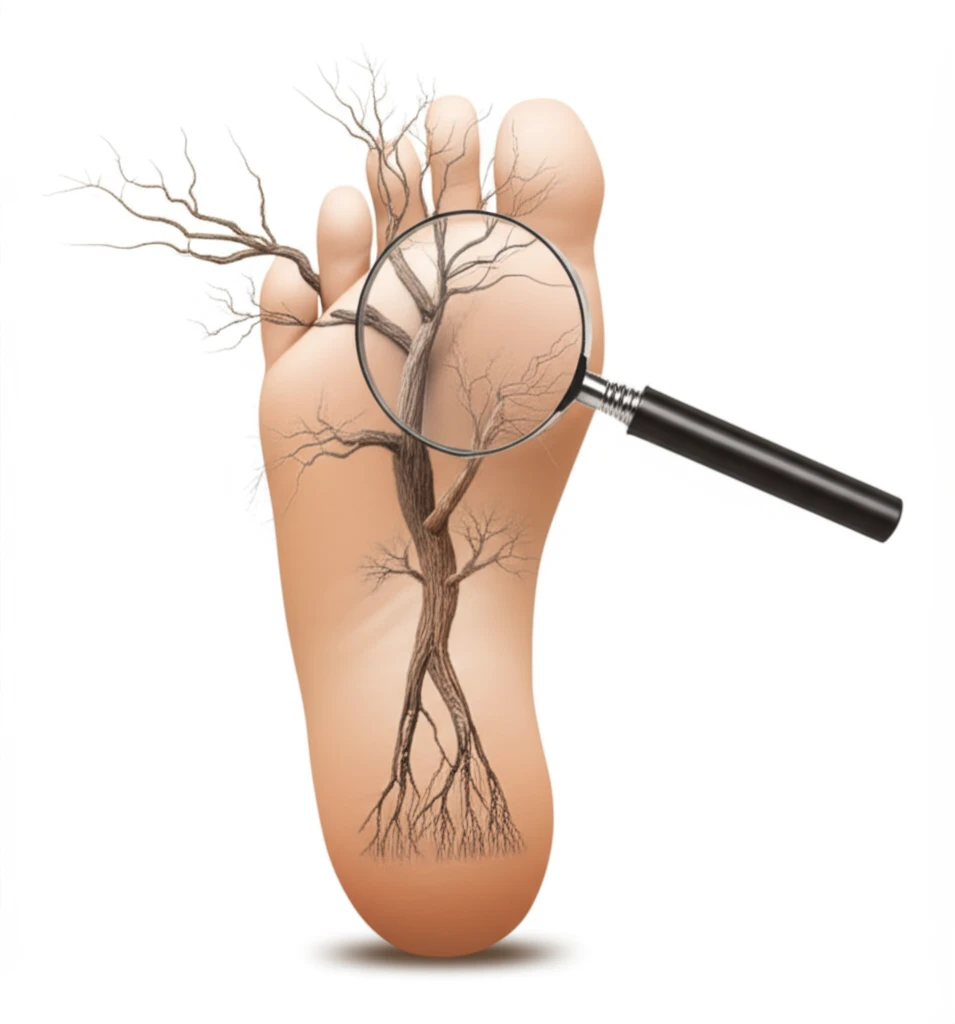
Is small artery disease the missing piece in the CLI puzzle? Discover how this overlooked condition impacts diagnosis and treatment, particularly for diabetics, and what it means for the future of vascular care.

Is your baby ready for solids? Learn how to introduce complementary foods safely, avoid common pitfalls, and set the stage for a lifetime of healthy eating. Get practical tips and expert insights.

Cystic Fibrosis (CF) lung infections are complex battlegrounds where different microbes fight for dominance. Learn how these interactions affect the severity of CF and open doors to new treatments.

Explore the evolving approach to kidney cancer surgery, questioning the necessity of lymph node removal and offering insights into tailored treatment strategies for improved patient outcomes.

Feeling stressed? Your heart might be telling you more than you think. Discover how heart rate variability (HRV) analysis can reveal the impact of mental tasks on your stress levels and overall health.
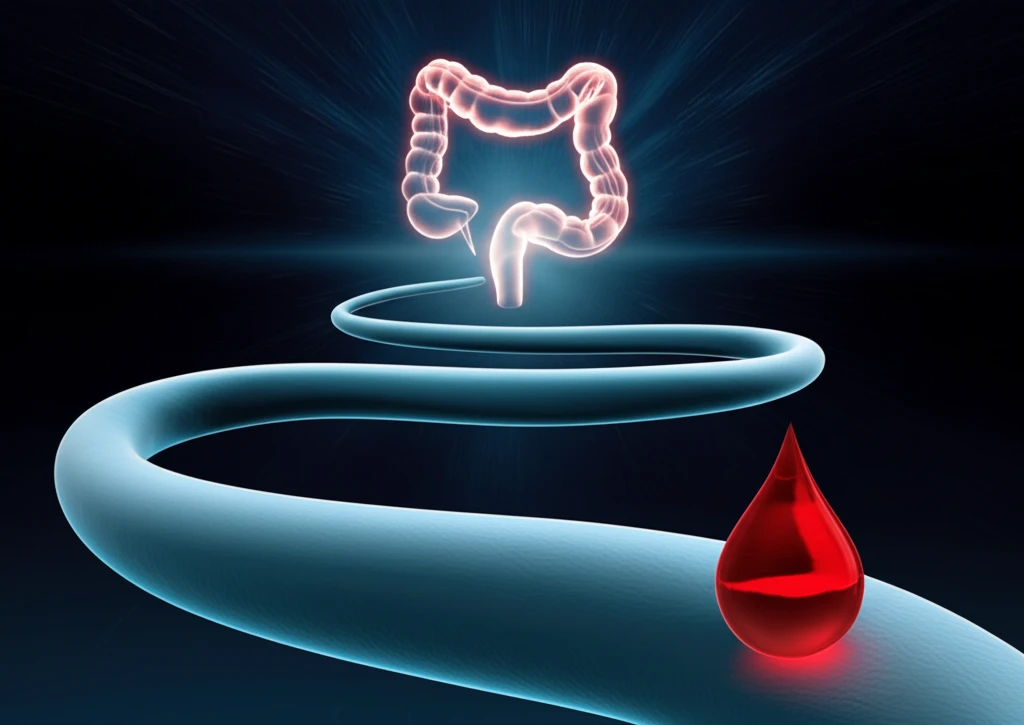
Discover how the Nu.Q™ Colorectal Cancer Screening Triage Test offers a more efficient way to screen for colorectal cancer, reducing the need for unnecessary colonoscopies while maintaining high accuracy.

Explore the revolutionary findings connecting maternal phenylketonuria (MPKU) and infant heart defects. Learn how early detection and targeted treatments can significantly improve outcomes.
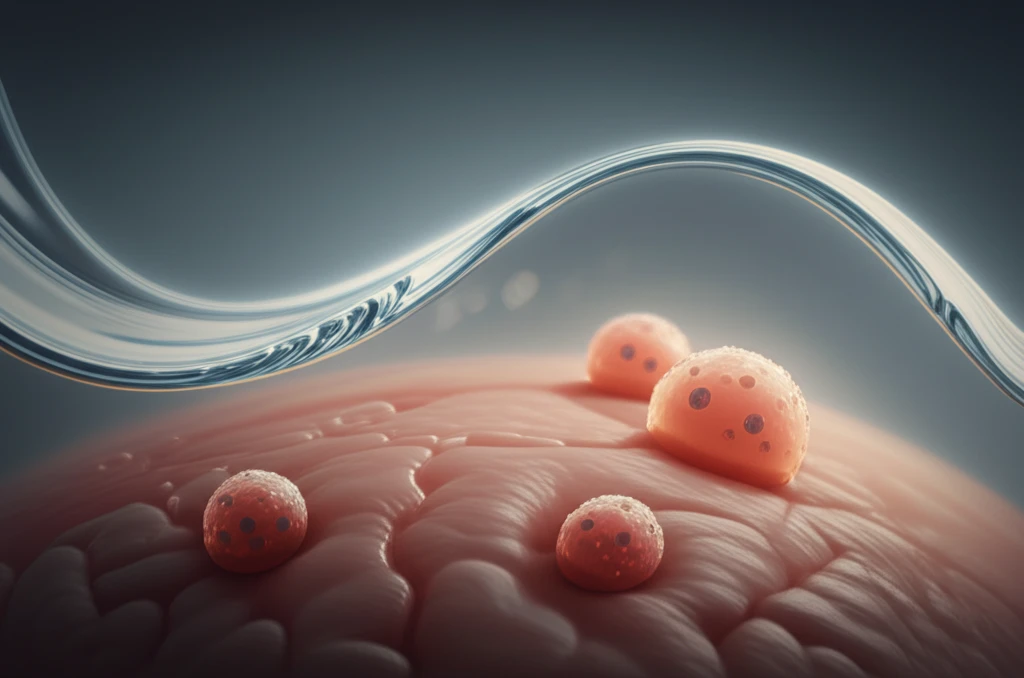
Urticaria pigmentosa, a skin manifestation of mastocytosis, can be challenging to treat. Learn how oral suplatast tosilate showed promising results in reducing skin lesions in a recent study, offering new hope for those seeking relief.
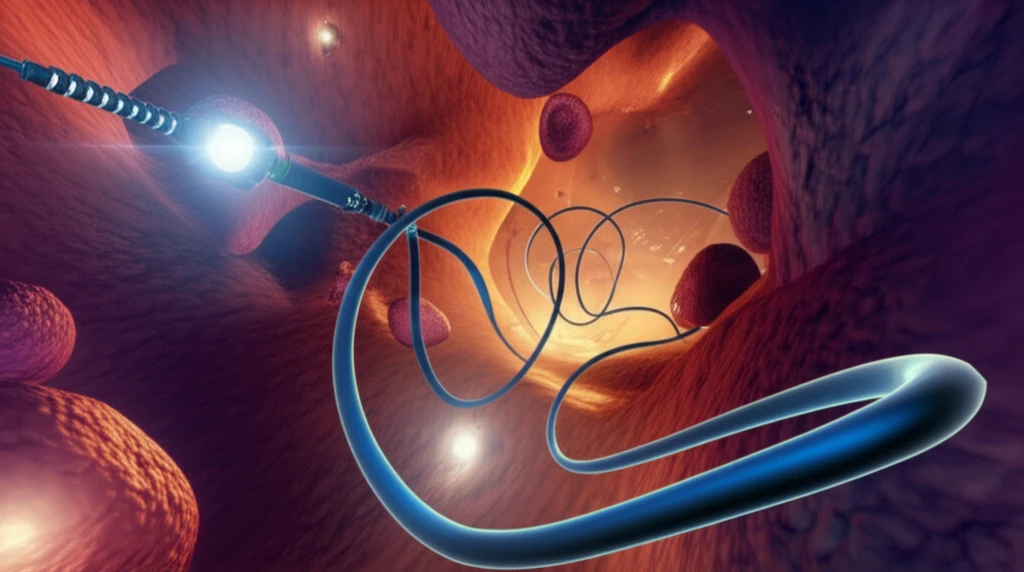
Discover how a new colonoscopy efficiency measure, SP6, could improve polyp and adenoma detection, leading to better outcomes in bowel cancer screening and high-quality examinations. Learn how it compares to traditional methods.
Page 803 of 1036