
Needle-Stick Injuries: Are You Really Protected at Work?
Healthcare workers face daily risks from needle-stick injuries and biological material exposure. Learn about the real dangers, prevention, and what to do if it happens to you.
Healthcare workers face daily risks from needle-stick injuries and biological material exposure. Learn about the real dangers, prevention, and what to do if it happens to you.
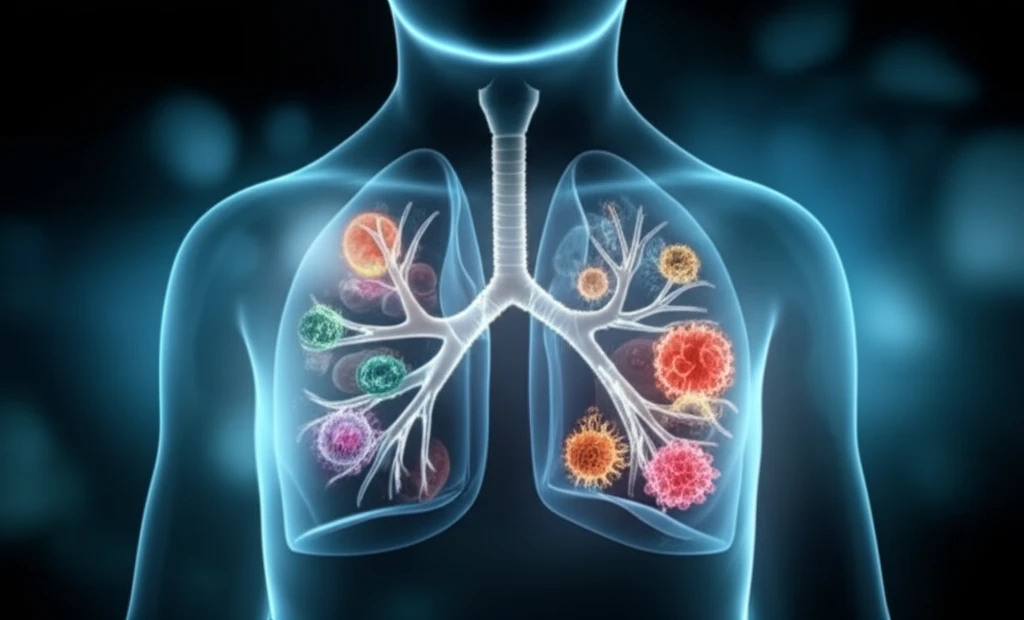
Explore the complex interplay of infections, eosinophilia, and asthma in children. Understand the latest research, potential causes, and innovative strategies for managing this challenging condition.
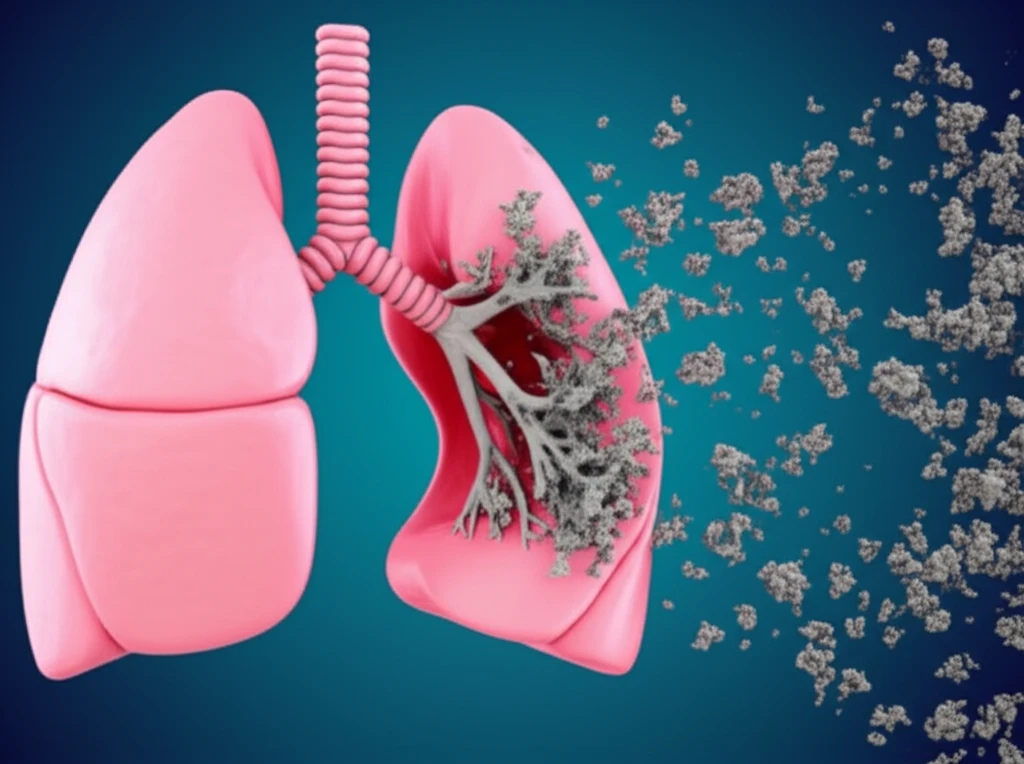
Navigating the challenges of emphysema and persistent air leaks? This guide explores innovative bronchoscopic treatments, providing clear insights into the latest techniques and their potential benefits for improving respiratory health.
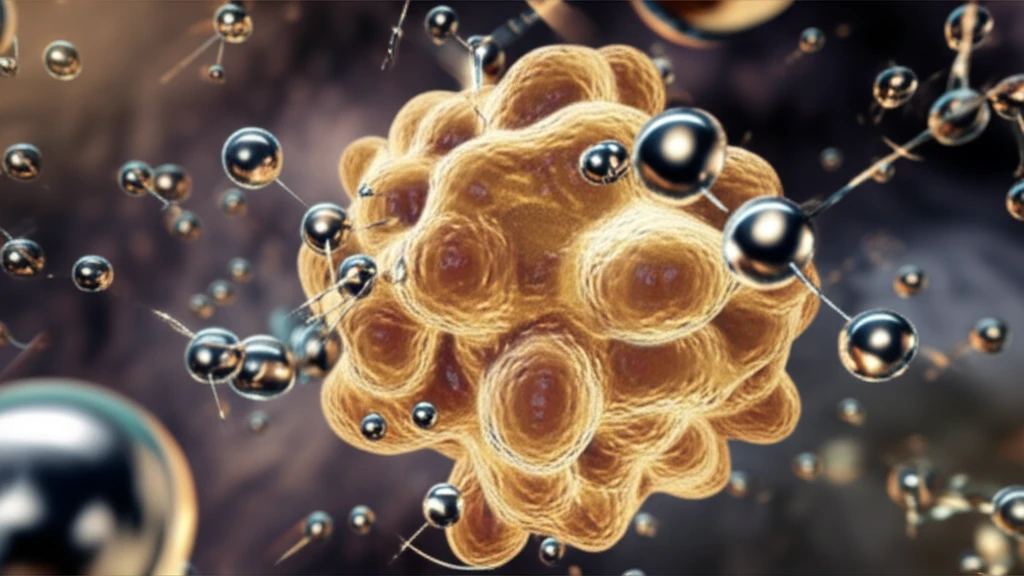
Discover how scientists are engineering tiny, metal-laced nanoparticles to outsmart drug-resistant bacteria like MRSA, offering a potential game-changer in infection treatment.

Explore how telemonitoring systems like EpxDecol and EpxWound are revolutionizing joint replacement aftercare by preventing infections, improving patient engagement, and significantly reducing healthcare costs.

Discover the signs and symptoms of congenital duodenal obstruction, a rare condition that can lead to delayed diagnosis and serious complications in infants. Learn how to recognize the red flags and advocate for your child's health.

Discover how buspirone, traditionally used for anxiety, may offer a new approach to managing abdominal pain in Irritable Bowel Syndrome (IBS). Learn about its effects, research findings, and potential for improving the quality of life for IBS sufferers.

Explore the hidden risks of using ad hoc interpreters in healthcare. Discover how communication barriers, wait times, and technical issues impact patient safety and legal compliance.
Scientists have discovered that a specific component in scorpion venom shows remarkable potential for treating brain disorders. Learn how this natural toxin could lead to innovative, precise therapies for conditions like epilepsy and ataxia.
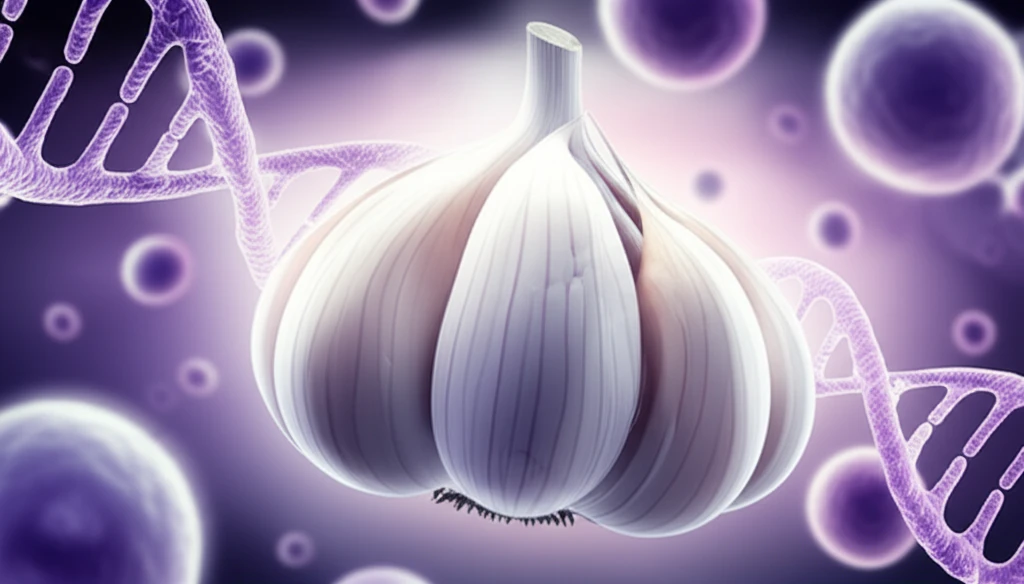
Discover the potential of diallyl disulfide (DADS), a key component found in garlic, as a revolutionary agent in leukaemia treatment. This article explores how DADS down-regulates calreticulin and promotes C/EBPα expression, offering new insights into leukaemia cell differentiation.