

MRI Scans Get a Turbo Boost: How GPU Technology is Revolutionizing Medical Imaging
Explore the game-changing impact of GPU-based acceleration techniques on MRI reconstructions, enabling faster processing times and advanced imaging capabilities.
Explore the game-changing impact of GPU-based acceleration techniques on MRI reconstructions, enabling faster processing times and advanced imaging capabilities.

Explore the groundbreaking role of non-coding RNAs in understanding and treating diseases, with a focus on the therapeutic potential of snoRNAs and scaRNAs.
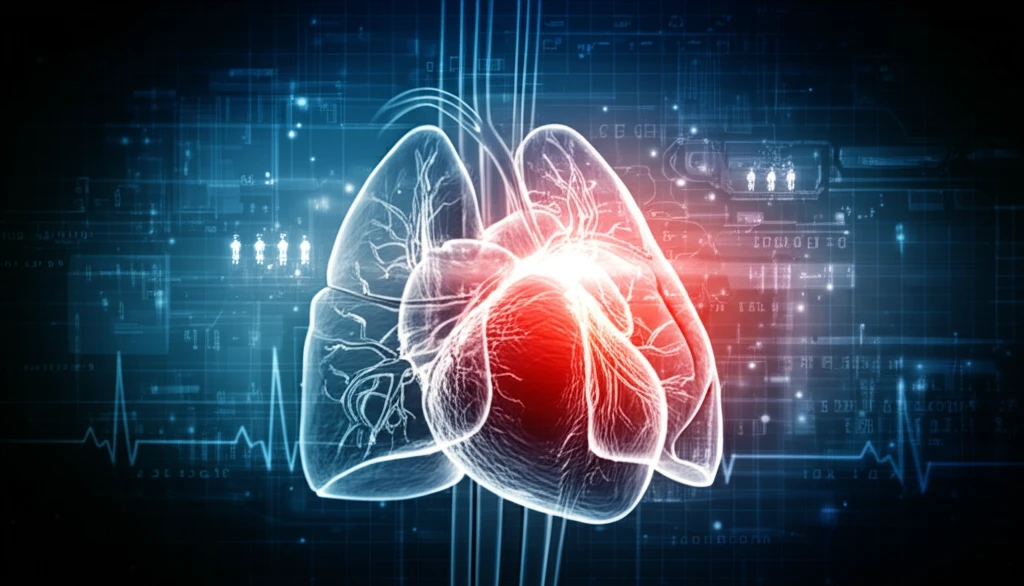
Explore the intricate connection between Takotsubo syndrome (TTS), also known as 'broken heart syndrome,' and pulmonary embolism (PE). Learn how recognizing risk factors and timely intervention can improve outcomes, particularly for postmenopausal women.
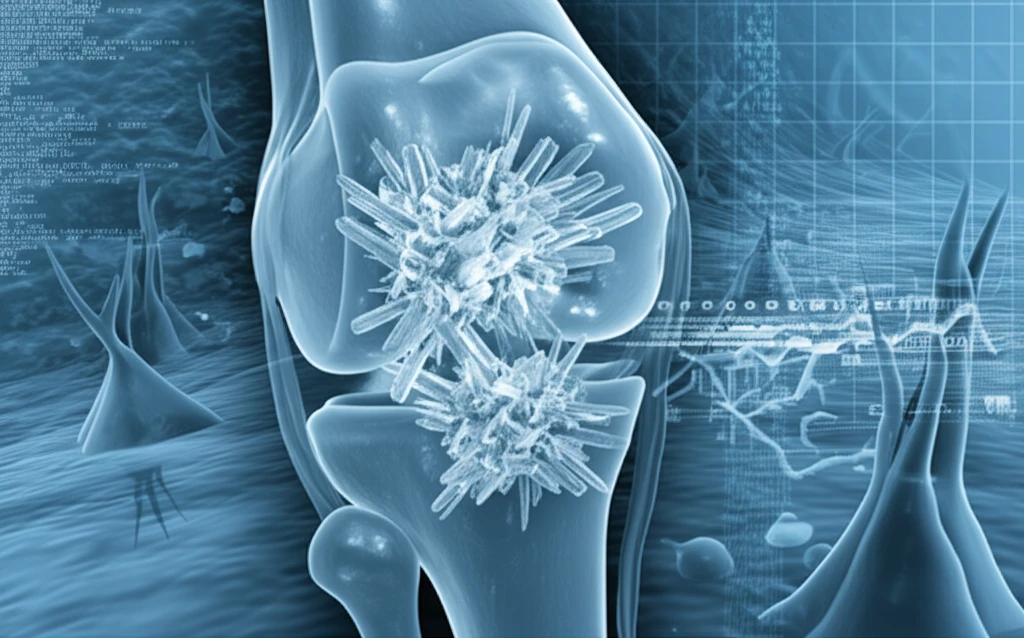
Explore the potential link between BCP crystals and knee osteoarthritis. Discover how this connection could revolutionize treatment and provide new hope for those suffering from joint pain.

Learn how DNA fragmentation analysis from a simple cheek swab can predict the success of HLA genotyping, impacting personalized medicine and healthcare decisions.
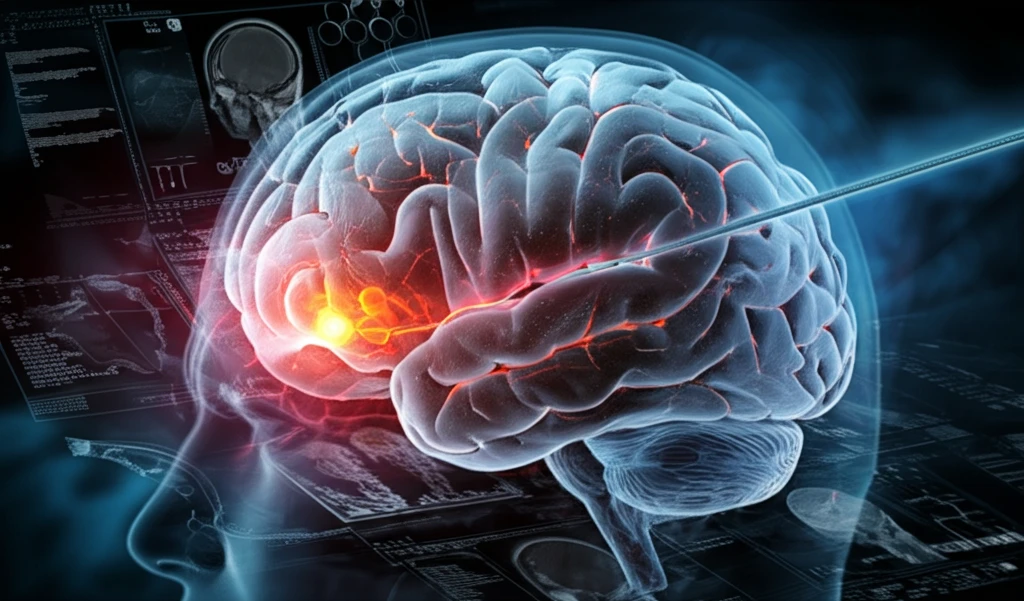
Discover the future of stroke treatment through innovative techniques that are leveraging advanced brain imaging to create tailored therapies and improve recovery.

Explore the critical link between addressing the holistic needs of hemodialysis patients and enhancing their quality of life. Learn how prioritizing these needs can lead to better treatment adherence and improved overall well-being.

Explore the groundbreaking role of robot-assisted gait training in stroke recovery, offering new hope for improved mobility and independence. Learn about the different types of robotic systems and their impact on rehabilitation.

New research reveals that the severity and spread of Chikungunya depend heavily on its lineage, challenging previous assumptions and changing how we prepare for future outbreaks. Discover the critical role of lineage in understanding asymptomatic infections.
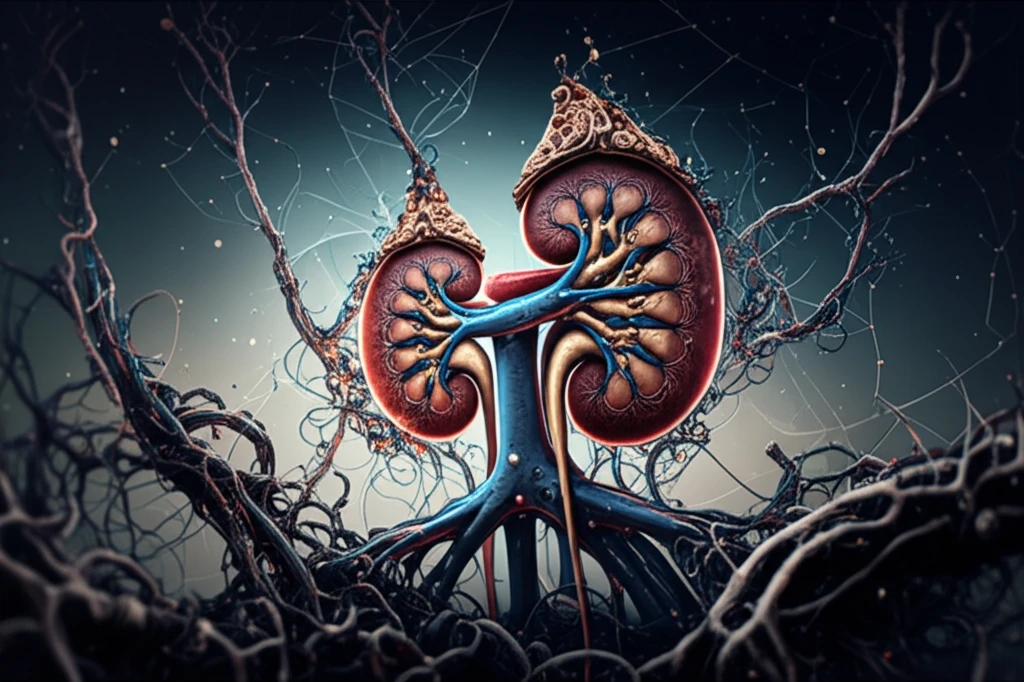
Explore how the number of co-existing health conditions (comorbidities) significantly affects the progression and outcomes of chronic kidney disease (CKD). Learn how identifying and managing these factors can improve patient care and slow disease advancement.
Page 226 of 1036