Mystum Climate & Environment Category Page List All Articles

Climate & Environment

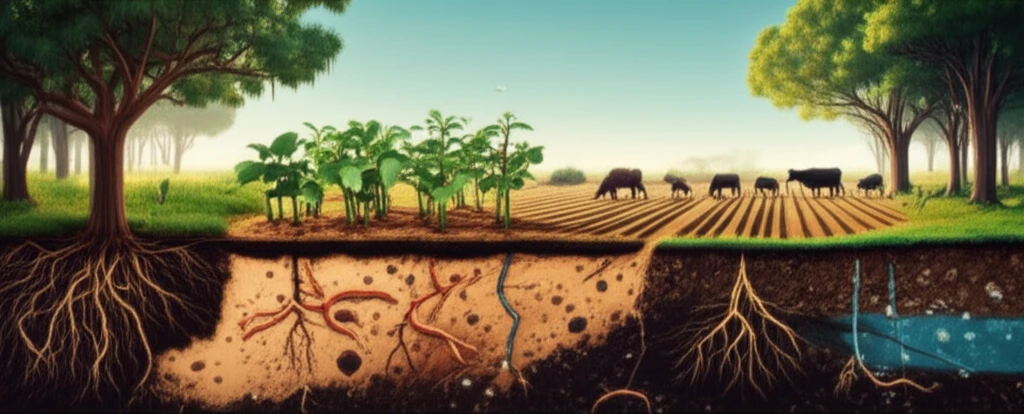
Diverse land management approaches promoting sustainable soil health and agriculture.

Unlocking the Secrets of Soil: How Land Management Impacts Your Food

Explore how various land management systems, from untouched forests to eucalyptus farms and no-till fields, affect the hydro-physical properties and organic carbon content of soil, ultimately impacting agricultural sustainability and food production.
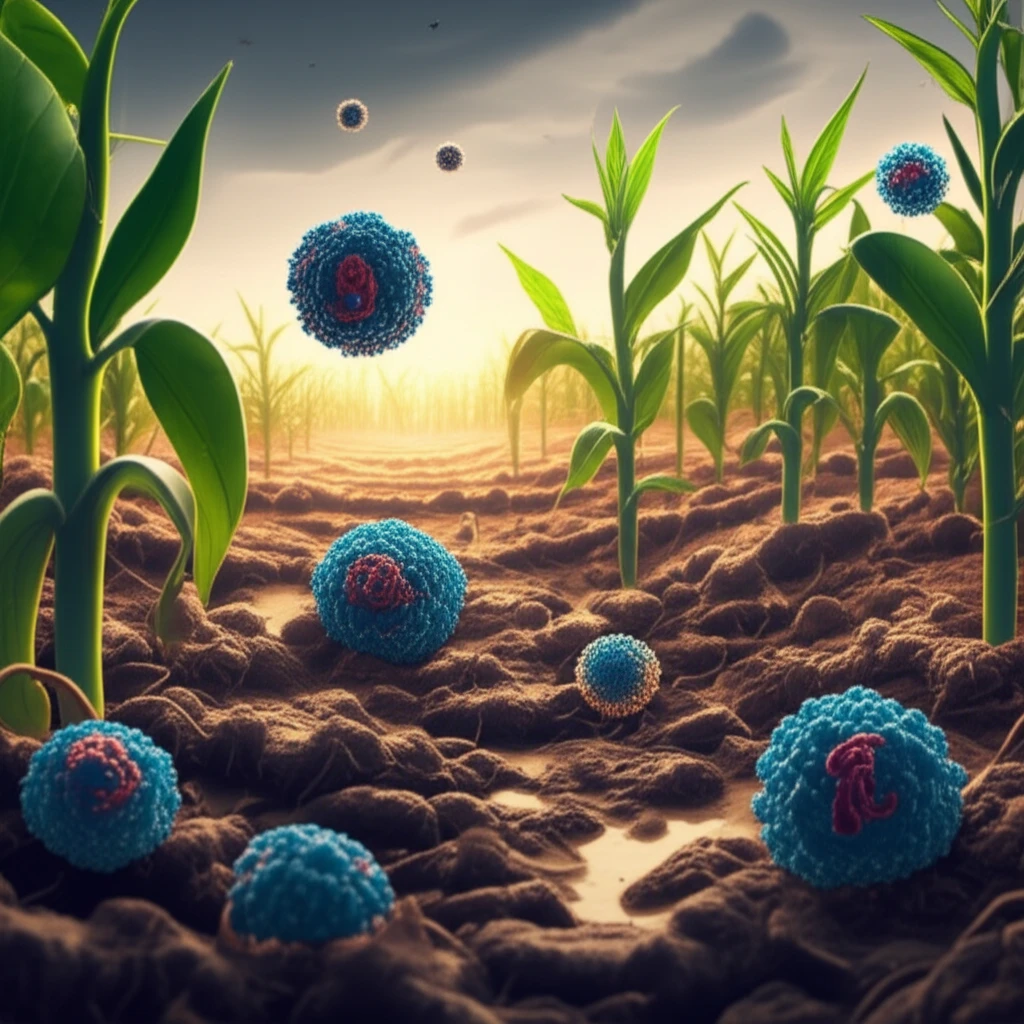

Microscopic nanoparticles cleaning up a polluted farm field

Can Nanotechnology Clean Up Our Farms? How Nanomaterials Offer a New Solution for Herbicide Pollution

Discover how scientists are using advanced nanomaterials to tackle herbicide pollution, offering a sustainable approach to protect our soil and water resources from agricultural runoff.

Futuristic cityscape with interconnected sensors monitoring air quality and feeding data into a central AI system.

Breathe Easier: How AI and Error Detection are Revolutionizing Hazardous Gas Dispersion Modeling

Discover how cutting-edge technology, including particle filtering and error propagation detection, is transforming hazardous gas dispersion modeling for enhanced air quality monitoring and safety.

Satellite monitoring a river basin to inform sustainable water management.

Decoding the Rainy Season: How Satellites Help Us Understand Water

Discover how scientists use satellite data to monitor water resources in critical river basins. Learn how this technology helps us understand and manage our water supply, especially during changing seasons.

Vibrant wool threads being dyed with a glowing green liquid derived from crustacean shells

Eco-Friendly Fashion: How Chitosan Bio-Mordants Are Revolutionizing Wool Dyeing

Learn about the innovative use of chitosan-based bio-mordants in wool dyeing, offering an eco-friendly alternative to traditional methods and enhancing the sustainability of the fashion industry.

Microscopic view of alginate aerogel absorbing pollutants from water.

Goodbye Water Contaminants: The Eco-Friendly Algae Solution You Need to Know!

Learn about the innovative use of alginate aerogels in water treatment. This eco-friendly solution efficiently removes pollutants, offering a sustainable approach to cleaner water.

Manganese Slag Electrode Reactor Degrades Salicylic Acid

Manganese Slag to the Rescue: A Sustainable Solution for Salicylic Acid Degradation

Discover how researchers are transforming manganese slag, a byproduct of the manganese industry, into an effective tool for degrading salicylic acid, a common pollutant from pharmaceuticals. This innovative approach uses a three-dimensional electrode reactor to offer a sustainable solution for water treatment.

Vibrant coral reef with a sea cucumber swimming among it, DNA strands subtly integrated, symbolizing genetic diversity and conservation.

Unlocking the Secrets of Sea Cucumbers: How New DNA Tools Can Save This Endangered Species

Discover how cutting-edge microsatellite markers are revolutionizing sea cucumber conservation, offering hope for the endangered Apostichopus japonicus and its crucial role in marine ecosystems.

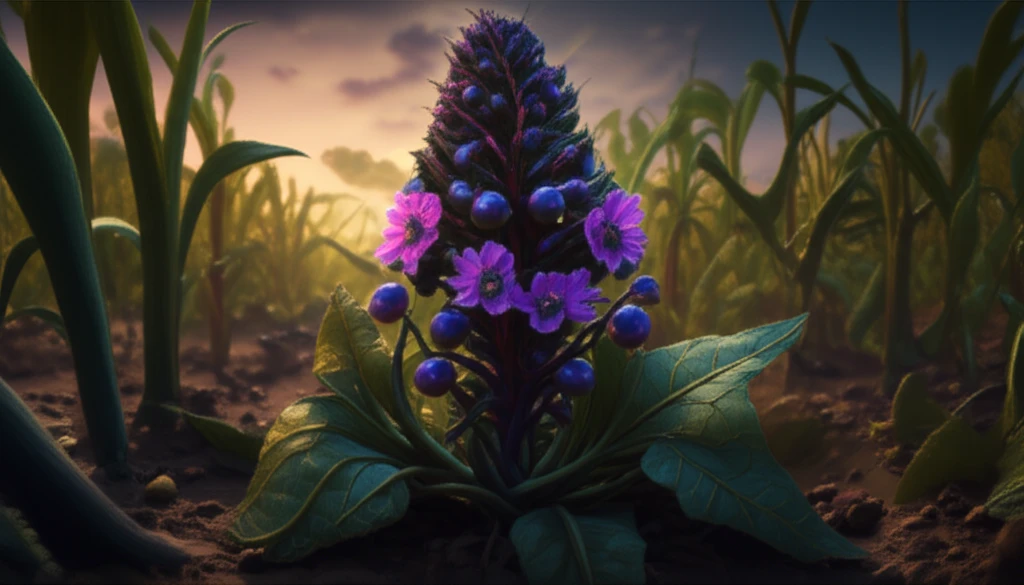
Mary-Nightshade thriving in partial shade, outcompeting nearby crops.

Sun's Out, Shades On: How Light Levels Impact Weed Growth

A new study sheds light on how varying levels of sunlight or shade influence the growth and competitiveness of Mary-Nightshade, a common weed. Understanding these effects can help develop better strategies for managing this plant in agricultural settings.

Wheat fields thriving in salt-affected landscape

Can Your Plants Handle the Heat? Unlocking Salinity Tolerance in Wheat

Explore the groundbreaking research on salinity tolerance in wheat, focusing on genetic evaluation and AMMI analysis, to enhance crop production in salt-affected regions. Learn how these methods are paving the way for sustainable agriculture and food security.

Newsletter Subscribe

Subscribe to get the latest articles and insights directly in your inbox.