
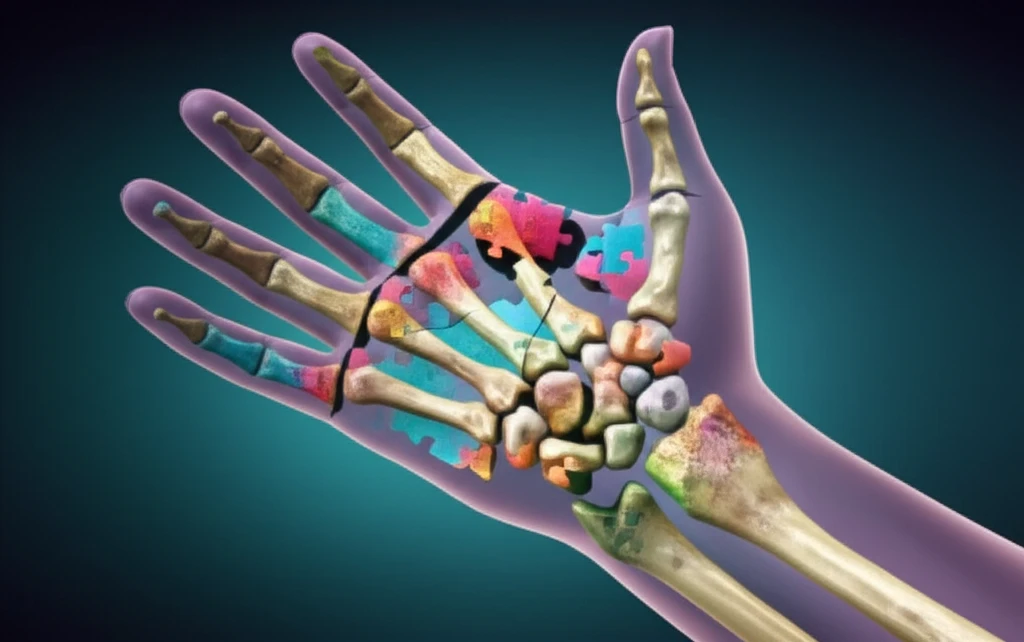
Wrist Pain SOS: Unraveling Distal Radius Fractures and Piso-triquetral Instability

"Discover how distal radius fractures can lead to piso-triquetral instability, affecting wrist stability and function. Learn about diagnosis, treatment options, and preventive measures."
Wrist injuries are a common complaint, affecting everyone from athletes to office workers. Among the various causes of wrist pain, distal radius fractures (fractures near the wrist end of the radius bone in the forearm) are particularly prevalent. While these fractures themselves can be debilitating, they can also lead to further complications, one of which is piso-triquetral instability.
Piso-triquetral instability refers to a disruption in the normal function of the piso-triquetral joint, a small but important joint located on the pinky side of the wrist. This joint involves the pisiform and triquetrum bones, and it plays a crucial role in wrist stability and movement. When a distal radius fracture occurs, it can indirectly affect the piso-triquetral joint, leading to instability and pain.
Understanding the relationship between distal radius fractures and piso-triquetral instability is essential for accurate diagnosis and effective management. This article will delve into the mechanisms by which these two conditions are linked, explore the symptoms and diagnostic approaches, and discuss current treatment options to restore wrist function and alleviate pain.
The Fracture-Instability Connection: How a Broken Wrist Can Affect the Piso-Triquetral Joint
The pisiform bone, though small, plays a significant role in stabilizing the wrist joint. It acts as a mechanical support and also protects the neurovascular structures within the Guyon's canal, which runs along the ulnar (pinky) side of the wrist. Injuries that disrupt the alignment or stability of the distal radius can have a ripple effect on the piso-triquetral joint.
- Changes in Joint Alignment: Distal radius fractures can alter the normal alignment of the wrist bones, including the pisiform and triquetrum. This misalignment can place undue stress on the piso-triquetral joint, leading to instability.
- Ligamentous Injuries: The ligaments surrounding the piso-triquetral joint provide stability. Distal radius fractures can cause these ligaments to become stretched, torn, or otherwise damaged, compromising the joint's integrity.
- Changes in Muscle Mechanics: The muscles that control wrist movement also contribute to the stability of the piso-triquetral joint. Alterations in muscle tension or activation patterns, often seen after a distal radius fracture, can destabilize the joint.
Taking Control of Your Wrist Health: What You Can Do
If you've experienced a distal radius fracture and are experiencing ongoing wrist pain, it's important to discuss the possibility of piso-triquetral instability with your doctor. Early diagnosis and appropriate treatment can help restore wrist function and prevent long-term complications. While the connection between distal radius fractures and piso-triquetral instability can seem daunting, understanding the link empowers you to take proactive steps toward recovery and long-term wrist health. By working closely with your healthcare team, you can regain pain-free movement and get back to the activities you enjoy.