
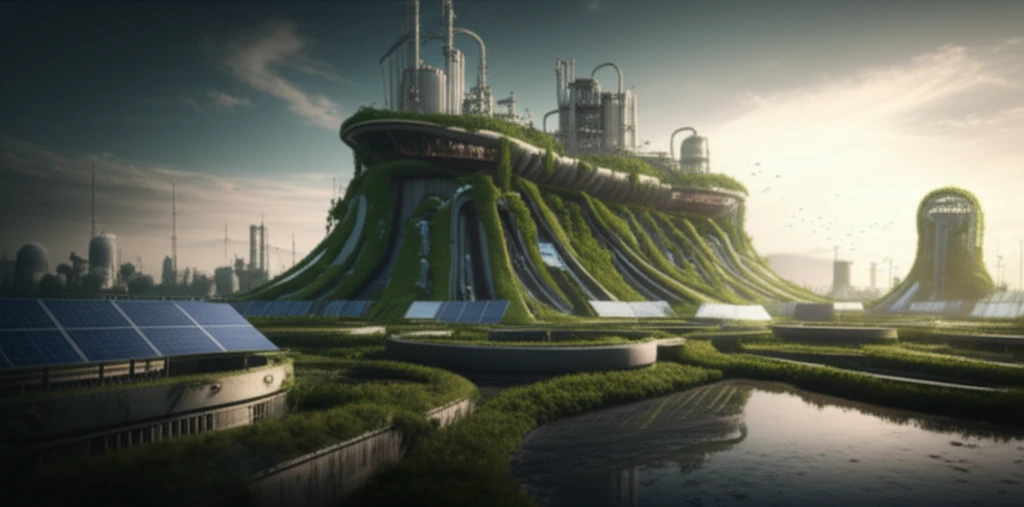
Wastewater Plants: Can They Become Energy Neutral?

"Deammonification and other strategies are paving the way for energy-neutral wastewater treatment, reducing costs and environmental impact."
Wastewater treatment, an essential service for public health and environmental protection, is also an energy-intensive process. Traditional wastewater treatment plants (WWTPs) consume significant amounts of electricity, contributing to operational costs and carbon footprints. However, innovative approaches are transforming these facilities from energy consumers into potential energy producers.
The concept of energy-neutral wastewater treatment is gaining traction, driven by the need for sustainable and cost-effective solutions. This involves minimizing energy consumption while maximizing the recovery of energy from wastewater. By implementing advanced technologies and optimizing treatment processes, WWTPs can significantly reduce their reliance on external energy sources and even generate surplus energy.
This article explores the strategies and technologies enabling wastewater treatment plants to achieve energy neutrality, focusing on the deammonification process and its integration with other energy-efficient practices. Learn how these innovations not only reduce energy consumption but also contribute to a more sustainable and circular economy.
Unlocking Energy Neutrality: The Deammonification Advantage
Deammonification is a biological process that removes nitrogen from wastewater, particularly from side streams rich in ammonia. Unlike traditional nitrification-denitrification, deammonification requires less energy and fewer resources, making it an attractive option for WWTPs aiming for energy neutrality. By treating side streams with deammonification, plants can reduce the overall nitrogen load and optimize downstream processes for further energy savings.
- Reduced Energy Consumption: Deammonification lowers the energy demand for nitrogen removal, a major energy-consuming process in WWTPs.
- Cost Savings: Lower energy consumption translates directly into reduced operational costs for the plant.
- Optimized Mainstream Processes: Lower nitrogen loads allow for the optimization of mainstream reactors, further reducing energy consumption.
The Future is Neutral: A Sustainable Path for Wastewater Treatment
Achieving energy neutrality in wastewater treatment plants is not just an aspirational goal but a practical and achievable objective. By implementing strategies like deammonification, CAPS, and sludge anaerobic digestion, WWTPs can significantly reduce their energy consumption, lower operational costs, and contribute to a more sustainable future.
The Polish WWTP simulation highlights the potential for substantial savings and environmental benefits. While the optimal approach may vary depending on the specific characteristics of each plant, the underlying principles remain the same: minimize energy consumption, maximize resource recovery, and embrace innovative technologies.
As the demand for sustainable solutions continues to grow, energy-neutral wastewater treatment is poised to become the new standard. By investing in these advanced technologies and optimizing treatment processes, communities can transform their WWTPs from costly burdens into valuable resources, paving the way for a cleaner, more sustainable future.