
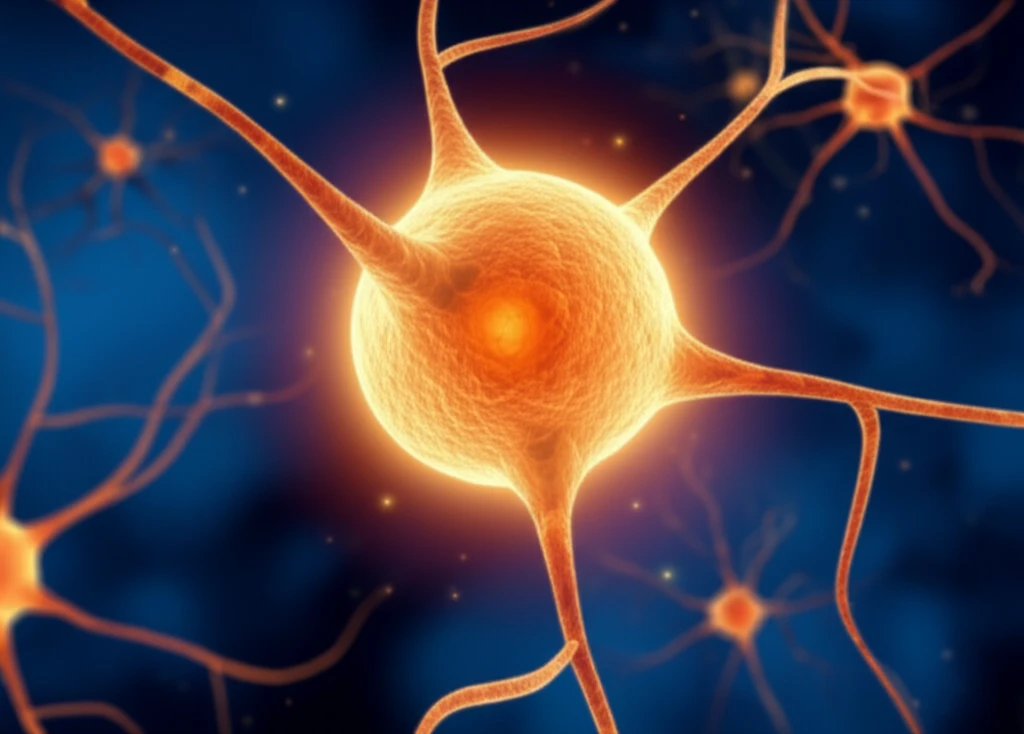
Vitamin E protecting nerve endings from damage

Vitamin E and Neuropathy: What You Need to Know

"Can vitamin E supplements prevent or alleviate chemotherapy-induced peripheral neuropathy (CIPN)? A closer look at the research."


Chemotherapy, while a powerful tool in fighting cancer, often brings a host of unwelcome side effects. Among these, chemotherapy-induced peripheral neuropathy (CIPN) stands out as a particularly bothersome complication. CIPN affects the nerves outside the brain and spinal cord, leading to pain, numbness, tingling, and even electric shock-like sensations in the hands and feet. These symptoms can significantly impact a cancer survivor's quality of life, making everyday tasks challenging and sometimes persisting long after treatment ends.

Many cancer patients and healthcare providers have explored different strategies to prevent or alleviate CIPN. One of these strategies is Vitamin E supplementation. The antioxidant properties of vitamin E are thought to protect nerve cells from damage caused by chemotherapy drugs. However, the effectiveness of vitamin E for CIPN prevention has been a subject of debate, with conflicting results from various studies.

To shed light on this controversy, researchers conducted a meta-analysis, pooling data from multiple randomized controlled trials to assess the efficacy of vitamin E supplementation in preventing CIPN. This article will break down the findings of this meta-analysis, providing insights into the potential benefits and limitations of vitamin E in managing CIPN.

The Meta-Analysis: What the Research Says

Vitamin E protecting nerve endings from damage

A meta-analysis is a statistical technique that combines the results of multiple independent studies to arrive at an overall conclusion. In this case, the researchers systematically searched electronic databases like MEDLINE, EMBASE, and the Cochrane Central Register of Controlled Trials to identify relevant randomized controlled trials (RCTs) that investigated the use of vitamin E for CIPN prevention. After a rigorous selection process, six articles involving a total of 353 patients were included in the meta-analysis.

The key finding of the meta-analysis was that vitamin E supplementation did not appear to significantly decrease the overall incidence of CIPN (relative risk (RR), 0.55; 95% confidence interval (CI), 0.29 to 1.05; p = 0.07), with significant heterogeneity (I2 = 77%). This means that when considering all types of chemotherapy drugs, vitamin E did not show a clear benefit in preventing nerve damage. However, when researchers looked at specific chemotherapy drugs, a more nuanced picture emerged.

Here's what you need to know about the study:
A subgroup analysis revealed that vitamin E supplementation could significantly prevent cisplatin-associated neurotoxicity (RR, 0.31; 95% CI, 0.17 to 0.58; p = 0.0002), with no heterogeneity (I2 = 0%). Cisplatin is a platinum-based chemotherapy drug commonly used to treat various cancers. This finding suggests that vitamin E may have a protective effect against nerve damage specifically caused by cisplatin, but further trials are necessary to confirm the role of vitamin E.

The Bottom Line: Should You Take Vitamin E for CIPN?

The meta-analysis suggests that routine vitamin E supplementation is not supported by current evidence to broadly prevent CIPN across all chemotherapy regimens. However, there is promising evidence that vitamin E may be beneficial in preventing cisplatin-induced neuropathy. If you are undergoing cisplatin treatment, talk to your oncologist about whether vitamin E supplementation is right for you. They can assess your individual risk factors and provide personalized recommendations based on the latest evidence. Remember, it's essential to approach any complementary therapy with caution and under the guidance of your healthcare team.

About this Article -

This article was crafted using a human-AI hybrid and collaborative approach. AI assisted our team with initial drafting, research insights, identifying key questions, and image generation. Our human editors guided topic selection, defined the angle, structured the content, ensured factual accuracy and relevance, refined the tone, and conducted thorough editing to deliver helpful, high-quality information.See our About page for more information.

Everything You Need To Know

1

What exactly is chemotherapy-induced peripheral neuropathy (CIPN)?

Chemotherapy-induced peripheral neuropathy, or CIPN, is nerve damage caused by chemotherapy treatment. It affects nerves outside the brain and spinal cord, leading to symptoms like pain, numbness, tingling, and electric shock sensations, especially in the hands and feet. CIPN can significantly reduce a cancer survivor's quality of life, making everyday tasks difficult and sometimes lasting long after treatment.

2

What does 'meta-analysis' mean in the context of medical research?

A meta-analysis is a statistical research method that combines the results of multiple independent studies to reach an overall conclusion. Researchers systematically search electronic databases to identify relevant randomized controlled trials (RCTs). After a rigorous selection process, the data is combined. Meta-analysis is important because it can provide a more reliable and comprehensive understanding of a research topic than individual studies alone.

3

Why are people exploring vitamin E for chemotherapy-induced peripheral neuropathy (CIPN)?

Vitamin E is being explored to see if it can prevent or alleviate chemotherapy-induced peripheral neuropathy, or CIPN. Some believe in its antioxidant properties to protect nerve cells. Research suggests vitamin E supplementation does not significantly decrease the overall incidence of CIPN. However, a subgroup analysis showed it could significantly prevent cisplatin-associated neurotoxicity. It's important to discuss any complementary therapy with your healthcare team.

4

What is cisplatin, and why is it specifically mentioned?

Cisplatin is a platinum-based chemotherapy drug commonly used to treat various cancers. It is important because while it is effective in treating cancer, it is also known to cause nerve damage, leading to chemotherapy-induced peripheral neuropathy (CIPN). Research suggests that Vitamin E may have a protective effect against nerve damage specifically caused by cisplatin.

5

What did the meta-analysis conclude about taking vitamin E for chemotherapy-induced peripheral neuropathy (CIPN)?

The meta-analysis found that vitamin E supplementation did not significantly decrease the overall incidence of chemotherapy-induced peripheral neuropathy (CIPN). However, a subgroup analysis revealed that vitamin E supplementation could significantly prevent cisplatin-associated neurotoxicity. Therefore, routine vitamin E supplementation is not supported to prevent CIPN across all chemotherapy regimens, but it may be beneficial in preventing cisplatin-induced neuropathy.

Newsletter Subscribe

Subscribe to get the latest articles and insights directly in your inbox.