
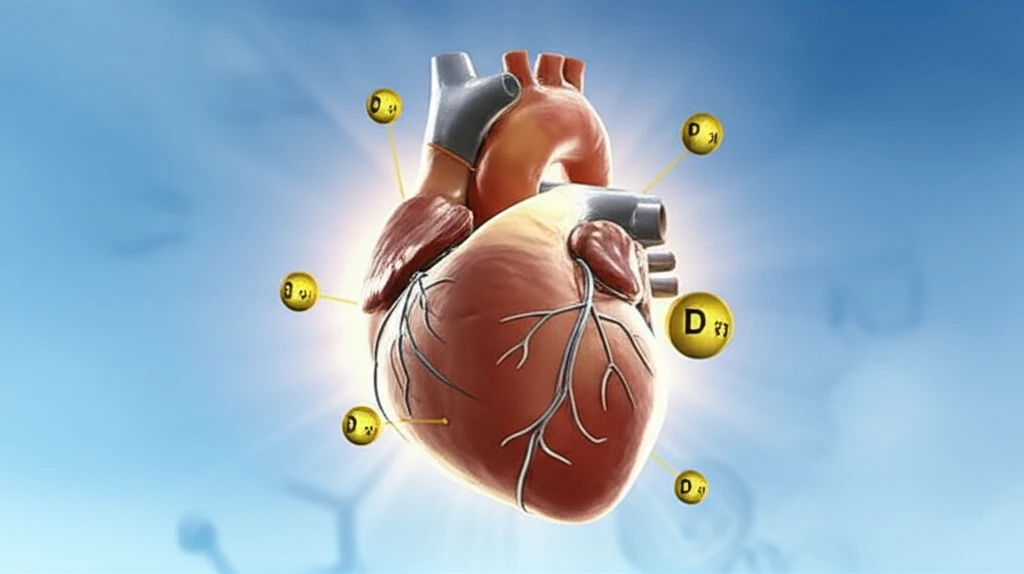
Vitamin D and Your Heart: Is There a Connection?

"Emerging research explores the link between Vitamin D deficiency and heart health, particularly for those with metabolic syndrome."
Vitamin D, often called the "sunshine vitamin," is critical for bone health and calcium balance. But recent research suggests its role extends far beyond this, influencing various aspects of our health, including cardiovascular well-being. Studies have shown that low levels of vitamin D may be associated with increased risk factors for heart disease, especially in people with metabolic syndrome.
Metabolic syndrome (MetS) is a cluster of conditions that occur together, increasing the risk of heart disease, stroke, and type 2 diabetes. These conditions include increased blood pressure, high blood sugar, excess body fat around the waist, and abnormal cholesterol levels. Individuals with MetS are particularly vulnerable to the adverse effects of vitamin D deficiency.
This article will explore the findings of a recent study investigating the relationship between vitamin D levels and non-traditional risk factors for cardiovascular disease in subjects with metabolic syndrome. We'll break down the key findings and discuss what they mean for your health.
The Vitamin D and Metabolic Syndrome Connection: What the Research Reveals
A study published in Archives of Medical Science investigated the connection between vitamin D and cardiovascular risk factors in 110 individuals, some diagnosed with metabolic syndrome (MetS) and others without. The research team sought to determine if there was a relationship between vitamin D levels and emerging risk factors associated with MetS, such as small dense low-density lipoprotein cholesterol (sdLDL-C) concentration, lipoprotein-associated phospholipase A2 (Lp-PLA2) activity, and high-sensitivity C-reactive protein (hsCRP) levels.
- Lower Vitamin D Levels in MetS: Individuals with metabolic syndrome had significantly lower vitamin D levels compared to those without MetS.
- Inverse Relationship with Triglycerides and sdLDL-C: In subjects with MetS, vitamin D concentration was inversely related to triglycerides and sdLDL-C levels. This suggests that lower vitamin D levels might contribute to higher levels of these harmful substances.
- No Direct Association with Lp-PLA2 or hsCRP: The study did not find a direct link between vitamin D levels and Lp-PLA2 activity or hsCRP levels, two markers of inflammation.
What Does This Mean for You? The Takeaways
This study adds to the growing body of evidence suggesting a link between vitamin D deficiency and increased cardiovascular risk, particularly in individuals with metabolic syndrome. Maintaining optimal vitamin D levels may be a crucial component of heart health, especially if you have MetS.
However, it's essential to remember that this study reveals associations, not causation. Further research is needed to determine if vitamin D supplementation can directly reduce cardiovascular risk factors and improve heart health outcomes.
If you are concerned about your vitamin D levels or have risk factors for heart disease, talk to your doctor. They can assess your vitamin D status and recommend appropriate strategies to optimize your health.