
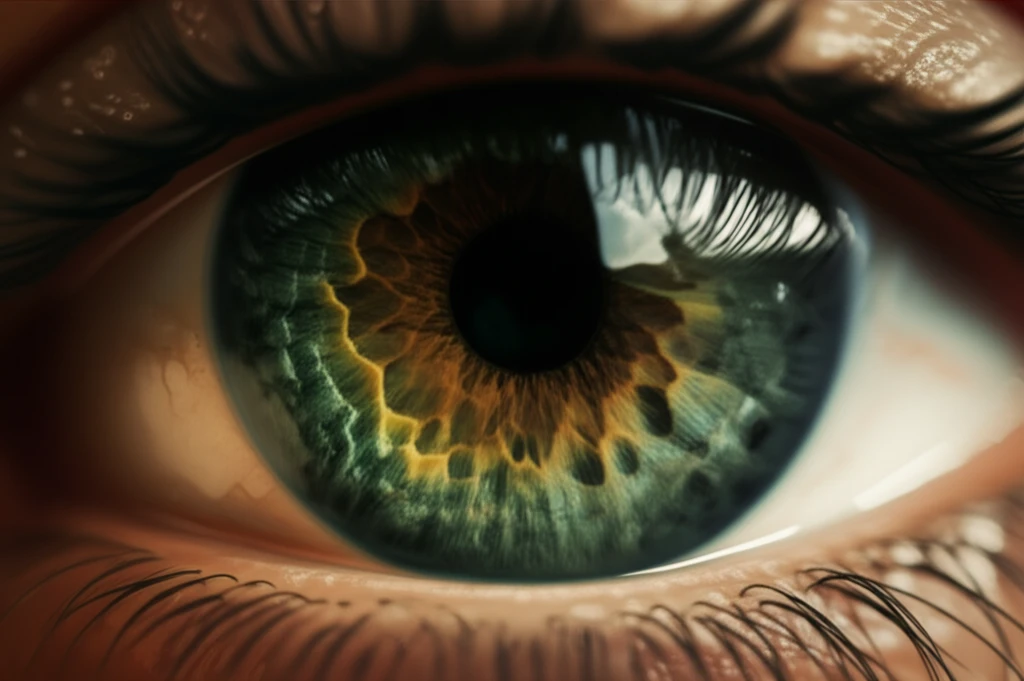
Illustration depicting the interior of an eye with a healthy landscape, symbolizing clear vision and the impact of conditions like VMT.

Vision Clarity: Unraveling the Mysteries of Eye Conditions and Modern Solutions

"From Vitreomacular Traction to the Future of Eye Care: A Comprehensive Guide"


Our eyes are windows to the world, allowing us to experience life's beauty and navigate our surroundings. Maintaining clear vision is paramount to our quality of life, yet many face challenges due to various eye conditions. This article delves into the intricate world of eye health, offering insights into conditions like vitreomacular traction (VMT) and the cutting-edge solutions available to preserve and enhance vision.

Vitreomacular traction, a condition where the vitreous gel of the eye pulls on the macula, is a focal point of our discussion. We'll explore the latest research on VMT, its diagnosis, and the innovative treatment options that are reshaping eye care. This comprehensive guide will empower you with knowledge to understand and address eye health concerns.

This guide aims to offer a blend of scientific understanding and practical advice, making complex topics accessible and actionable. Whether you're seeking information about VMT, interested in the latest advancements in ophthalmology, or simply curious about maintaining healthy vision, this article is for you.

Understanding Vitreomacular Traction (VMT): Causes, Diagnosis, and Impact

Illustration depicting the interior of an eye with a healthy landscape, symbolizing clear vision and the impact of conditions like VMT.

Vitreomacular traction (VMT) occurs when the vitreous gel, a jelly-like substance filling the eye, abnormally adheres to the macula, the central part of the retina responsible for sharp, central vision. This traction can distort the macula, leading to vision changes such as blurred or distorted vision, and, in severe cases, vision loss. Several factors can contribute to the development of VMT, including age-related changes in the vitreous and retina.

The diagnostic process for VMT often involves a thorough eye examination, including optical coherence tomography (OCT). OCT provides detailed, cross-sectional images of the retina, allowing ophthalmologists to visualize the vitreomacular interface and assess the extent of traction. Early and accurate diagnosis is crucial for effective management and treatment.

  • Blurred Vision: A primary symptom characterized by a general haziness or lack of sharpness.
  • Distorted Vision (Metamorphopsia): Straight lines may appear wavy or bent.
  • Central Vision Loss: Difficulty with detailed tasks such as reading or recognizing faces.
  • Floaters and Flashes: While common, these can sometimes accompany VMT.
The impact of VMT extends beyond visual symptoms, potentially affecting daily activities and overall quality of life. Therefore, understanding the condition and seeking timely medical attention are critical steps in preserving vision and maintaining eye health. The severity of VMT can vary, with some cases resolving spontaneously, while others require intervention.

Looking Ahead: Advancements and the Future of Eye Health

The realm of eye health is continually evolving, with ongoing research leading to innovative diagnostic tools and therapeutic interventions. This article has offered a glimpse into the specifics of VMT and cutting-edge treatments. Embracing the advancements in ophthalmology will be key to protecting and enhancing vision. For anyone experiencing visual changes, consulting an eye care professional remains the most important step in preserving eye health and quality of life.

About this Article -

This article was crafted using a human-AI hybrid and collaborative approach. AI assisted our team with initial drafting, research insights, identifying key questions, and image generation. Our human editors guided topic selection, defined the angle, structured the content, ensured factual accuracy and relevance, refined the tone, and conducted thorough editing to deliver helpful, high-quality information.See our About page for more information.

This article is based on research published under:

DOI-LINK: 10.1007/s00417-018-4113-7, Alternate LINK

Title: Comment Re: Comparison Of The Horizontal Diameter To A Modeled Area Of Traction In Eyes With Vitreomacular Traction: Is The Diameter Close Enough To The Truth?

Subject: Cellular and Molecular Neuroscience

Journal: Graefe's Archive for Clinical and Experimental Ophthalmology

Publisher: Springer Science and Business Media LLC

Authors: Sofia Theodoropoulou, George P. Theodossiadis, Vlassis G. Grigoropoulos, Panagiotis G. Theodossiadis

Published: 2018-08-25

Everything You Need To Know

1

What is vitreomacular traction (VMT), and how does it affect vision?

Vitreomacular traction (VMT) is a condition where the vitreous gel, which fills the eye, abnormally adheres to the macula. This adhesion causes the vitreous to pull on the macula, distorting its shape. This distortion can lead to symptoms such as blurred or distorted vision (metamorphopsia) and, in severe cases, central vision loss. Because the macula is responsible for sharp, central vision needed for tasks like reading and recognizing faces, VMT directly impacts these functions.

2

How is vitreomacular traction (VMT) typically diagnosed, and why is early detection important?

Vitreomacular traction (VMT) is typically diagnosed through a comprehensive eye examination that includes optical coherence tomography (OCT). OCT is a critical tool because it provides detailed, cross-sectional images of the retina, allowing ophthalmologists to visualize the vitreomacular interface and assess the extent of the traction. Early detection is crucial because the severity of VMT can vary; some cases may resolve spontaneously, while others require intervention to prevent further vision loss. An early and accurate diagnosis allows for timely management and treatment strategies to be implemented.

3

What factors contribute to the development of vitreomacular traction (VMT)?

Several factors can contribute to the development of vitreomacular traction (VMT). Age-related changes in both the vitreous and the retina are significant contributors. As we age, the vitreous gel naturally liquefies and separates from the retina, a process called posterior vitreous detachment. However, in some cases, the vitreous doesn't fully detach and remains abnormally adhered to the macula, leading to traction. Other factors, such as inflammation or previous eye surgeries, may also play a role, though age-related changes are the most common cause.

4

Beyond blurred or distorted vision, what other visual symptoms might indicate the presence of vitreomacular traction (VMT), and how can it impact daily life?

Besides blurred or distorted vision (metamorphopsia), individuals with vitreomacular traction (VMT) may experience central vision loss, making detailed tasks like reading or recognizing faces difficult. They might also notice floaters and flashes in their vision, though these symptoms can occur with other conditions as well. The impact on daily life can be significant, affecting the ability to drive, read, use computers, and perform other activities that require sharp, central vision. This can lead to reduced independence and a diminished quality of life, underscoring the importance of seeking timely medical attention for any changes in vision.

5

Given the advancements in ophthalmology, what does the future hold for the treatment and management of conditions like vitreomacular traction (VMT)?

The future of treating conditions like vitreomacular traction (VMT) looks promising, with ongoing research leading to innovative diagnostic tools and therapeutic interventions. As our understanding of the vitreoretinal interface deepens, we can expect more targeted and less invasive treatments to emerge. Gene therapies, improved surgical techniques, and pharmacological agents aimed at promoting vitreous detachment or reducing macular traction are areas of active research. Embracing these advancements will be key to protecting and enhancing vision, offering hope for improved outcomes and a better quality of life for those affected by VMT and similar conditions. Regular consultations with eye care professionals and staying informed about the latest developments are essential steps in preserving eye health.

Newsletter Subscribe

Subscribe to get the latest articles and insights directly in your inbox.