
Varicose Veins: New Insights Into Treatment Options That Could Change Everything

"Unveiling the Latest Research: How Endovascular Electrocautery Might Revolutionize Varicose Vein Treatment."
Varicose veins, those unsightly and often uncomfortable twisted, enlarged veins, affect a significant portion of the population, particularly women. While they are often seen as a cosmetic issue, varicose veins can lead to various health problems, including pain, swelling, and even more serious complications like blood clots. Traditional treatments, such as surgery, can be invasive and require significant recovery time. However, new research is emerging, offering fresh hope for those seeking less invasive and more effective solutions.
This article explores recent findings on endovascular electrocautery, a minimally invasive technique that uses electrical energy to treat varicose veins. We will analyze the impact of key variables such as energy intensity, power, and application time, and how they affect the success and effectiveness of the treatment. Our goal is to provide a clear, comprehensive overview of this promising approach, offering valuable information for those considering their treatment options.
The research examined in this article provides a deeper understanding of how electrocautery works and how to optimize its use for better outcomes. The insights gained could not only improve the way varicose veins are treated but also make the procedures safer, more efficient, and more comfortable for patients. This article breaks down the complex science into easily digestible pieces, allowing anyone interested in this area to become more knowledgeable and empowered in making informed decisions.
How Endovascular Electrocautery Works: A Closer Look
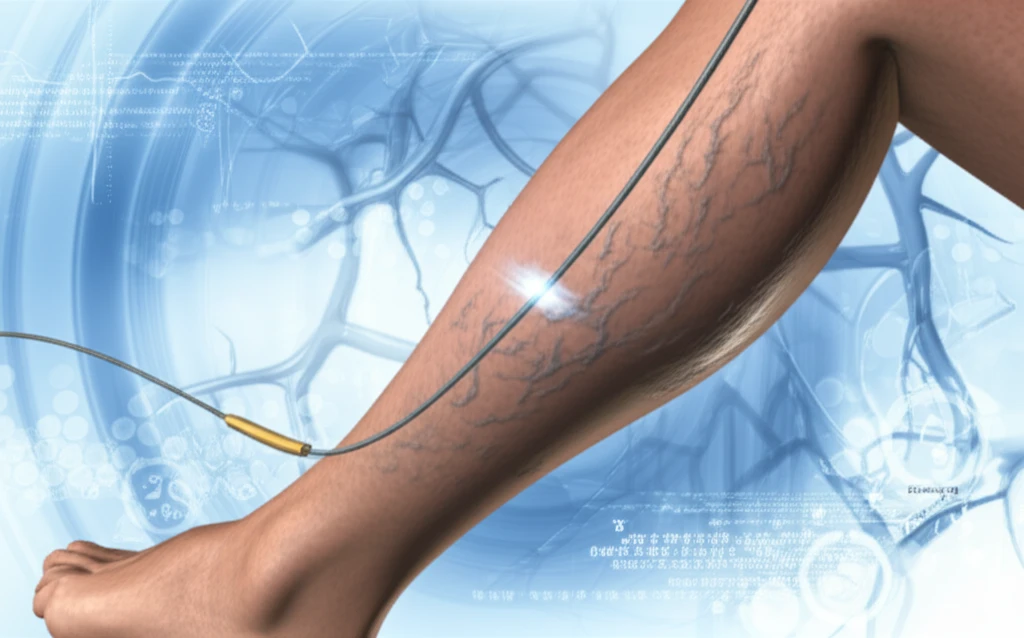
Endovascular electrocautery is a modern treatment for varicose veins that involves using electrical energy to damage and close off the affected veins. The process is done by inserting a small catheter into the vein and delivering an electrical current, generating heat. This heat then damages the vein walls, causing them to collapse and eventually be absorbed by the body. Because the procedure is minimally invasive, it results in smaller incisions and shorter recovery times compared to traditional surgery.
- Energy Intensity: The total amount of energy applied during the procedure, measured in Joules (J). Higher energy intensity could result in more significant changes in the vein walls.
- Power: The rate at which energy is delivered, measured in Watts (W). Power can influence the speed and efficiency of the treatment.
- Time of Application: The duration for which the electrical current is applied, measured in seconds (s). This can impact the depth and extent of tissue damage.
The Future of Varicose Vein Treatment: Empowering Patients with Knowledge
This research provides an important step forward in understanding and optimizing endovascular electrocautery for varicose veins. It highlights the importance of carefully controlling the treatment parameters to achieve the best outcomes. As medical technology continues to advance, we can expect even more refined and personalized treatments for varicose veins, providing patients with effective and less invasive options to improve their quality of life. For those affected, staying informed and discussing these advancements with healthcare providers is key to making the best choices for their health.