
Varicose Veins: Decoding the Science Behind Modern Treatments

"Unveiling the Latest Insights on Minimally Invasive Procedures for Varicose Vein Treatment"
Varicose veins, those bulging, twisted veins that often appear on the legs, are a common yet often misunderstood condition. While they might seem like a mere cosmetic issue, they can sometimes indicate a deeper underlying problem known as chronic venous insufficiency. For years, the treatment options have been limited, but the field of vascular medicine is experiencing a surge of innovation, offering new hope for those seeking effective relief. This article dives deep into the science behind modern treatments, with a special focus on endovascular electrocautery.
The journey of treating varicose veins has evolved significantly. Traditional methods, while effective, often involved more invasive procedures and longer recovery times. Today, the focus is on minimally invasive techniques that offer similar, if not better, outcomes with less discomfort and faster recuperation. These advancements are not just about aesthetics; they're about improving the quality of life for individuals suffering from the physical and psychological burdens of varicose veins.
This exploration is particularly timely. With the increasing understanding of venous disorders and the advent of sophisticated technologies, patients now have access to a range of treatment options. We will examine the role of key variables such as Energy Intensity (I), Power (P), and Time of Application (T) in the effectiveness of these treatments, offering a comprehensive view of what modern vascular care has to offer.
Understanding Endovascular Electrocautery: A Closer Look
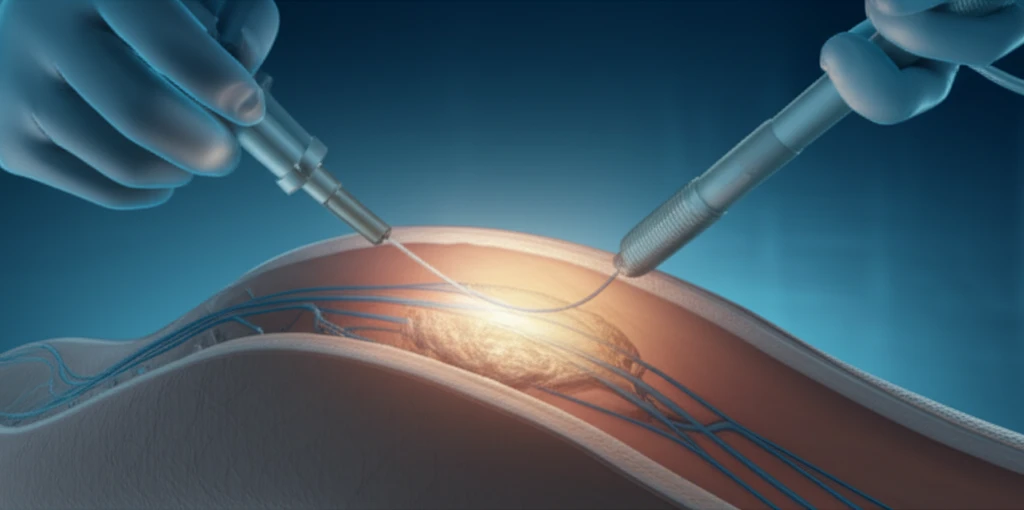
Endovascular electrocautery represents a significant leap forward in the treatment of varicose veins. Unlike traditional surgical methods, this technique involves using a catheter to deliver electrical energy directly to the affected vein. The primary goal is to cause controlled damage to the vein walls, leading to their eventual closure and the redirection of blood flow through healthier veins. This approach minimizes the impact on surrounding tissues, leading to quicker recovery and reduced scarring.
- Energy Intensity (I): This refers to the total amount of energy delivered during the procedure. Higher intensity often leads to greater tissue damage.
- Power (P): This represents the rate at which energy is delivered. It's a measure of how quickly the energy is applied.
- Time of Application (T): This is the duration for which the energy is applied. Longer application times can result in more extensive tissue changes.
A Promising Future for Varicose Vein Treatment
The advancements in endovascular electrocautery offer renewed hope for individuals affected by varicose veins. As the understanding of these innovative techniques grows, so does the potential for enhanced patient outcomes and improved quality of life. By continuing to refine the methods and leverage the latest research, the medical community is paving the way for even more effective and patient-friendly solutions in the treatment of venous disorders.