
Varicose Vein Breakthrough: Can Endovascular Electrocautery Offer a Safer, More Effective Treatment?

"A new study investigates the immediate effects of endovascular electrocautery, offering hope for a less invasive varicose vein treatment with potentially fewer complications."
Varicose veins, those twisted, enlarged veins close to the skin's surface, affect a significant portion of the adult population. While often considered a cosmetic issue, they can cause pain, swelling, and discomfort, impacting quality of life. Traditional treatments range from compression stockings to surgical removal, but a new approach called endovascular electrocautery is gaining attention.
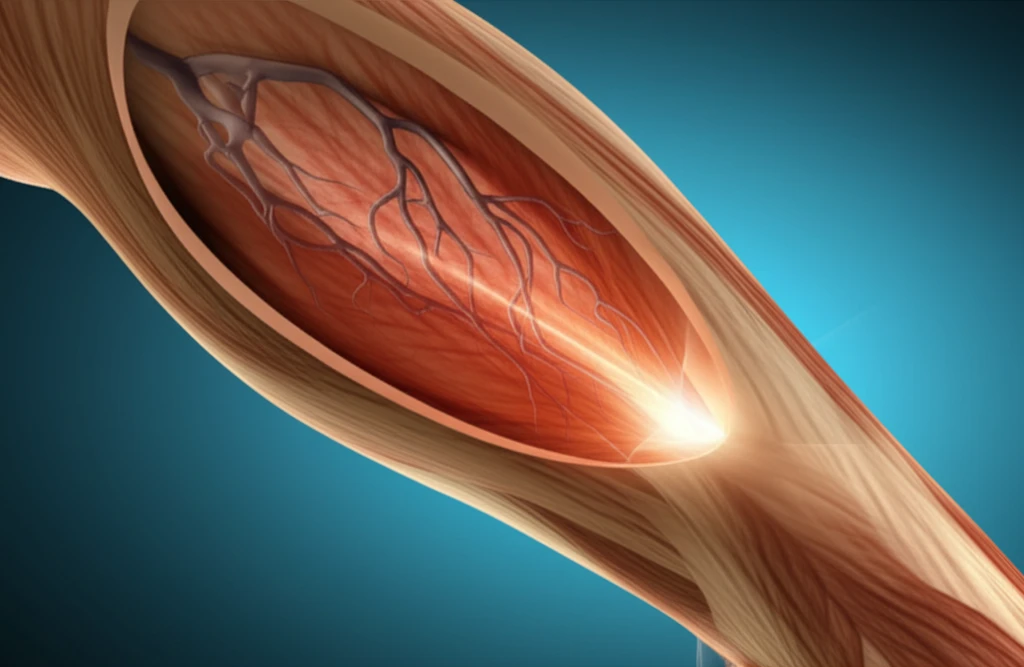
Endovascular electrocautery involves using heat generated by electrical current to selectively destroy the vein wall, leading to its closure. This minimally invasive technique offers the potential for quicker recovery and reduced scarring compared to traditional surgery. The key lies in controlling the energy delivered – its intensity, power, and duration – to achieve the desired effect without damaging surrounding tissues.
A recent study published in the Journal Vascular Brasileiro investigates the immediate effects of endovascular electrocautery on varicose veins in the lower limbs. The researchers aimed to determine the importance of energy intensity, power, and application time in achieving optimal histological changes (tissue destruction) within the treated veins. This research could pave the way for safer and more effective varicose vein treatments.
How Does Endovascular Electrocautery Work on Varicose Veins?
The study was a prospective trial, meaning researchers followed patients forward in time after they received the treatment. The research team recruited patients undergoing varicose vein treatment and, following a strict protocol, applied endovascular electrocautery to a segment of the great saphenous vein (a major vein in the leg).
- Preparation: Patients with documented great saphenous vein insufficiency (leaky veins) underwent standard surgical varicose vein treatment.
- Catheter Placement: A small catheter (a thin, flexible tube) was inserted into the great saphenous vein.
- Electrocautery Application: An electrocautery device was introduced through the catheter to deliver controlled electrical energy to the vein wall. Researchers varied the energy intensity, power, and application time according to a pre-determined randomization table (more on that below).
- Vein Fragment Extraction: After electrocautery, a small fragment of the treated vein was removed for analysis.
- Histopathological Examination: The vein fragments were examined under a microscope to assess the depth of tissue necrosis (cell death) caused by the electrocautery.
The Future of Varicose Vein Treatment: Balancing Effectiveness and Safety
This study provides valuable insights into the potential of endovascular electrocautery as a minimally invasive treatment for varicose veins. By carefully controlling the energy and application time, it may be possible to selectively target the inner layers of the vein, minimizing the risk of damage to surrounding tissues and reducing complications. Further research is needed to confirm these findings in larger clinical trials and to evaluate the long-term outcomes of this promising technique. However, electrocautery shows significant promise for improving the safety, effectiveness, and patient experience of varicose vein treatment.