
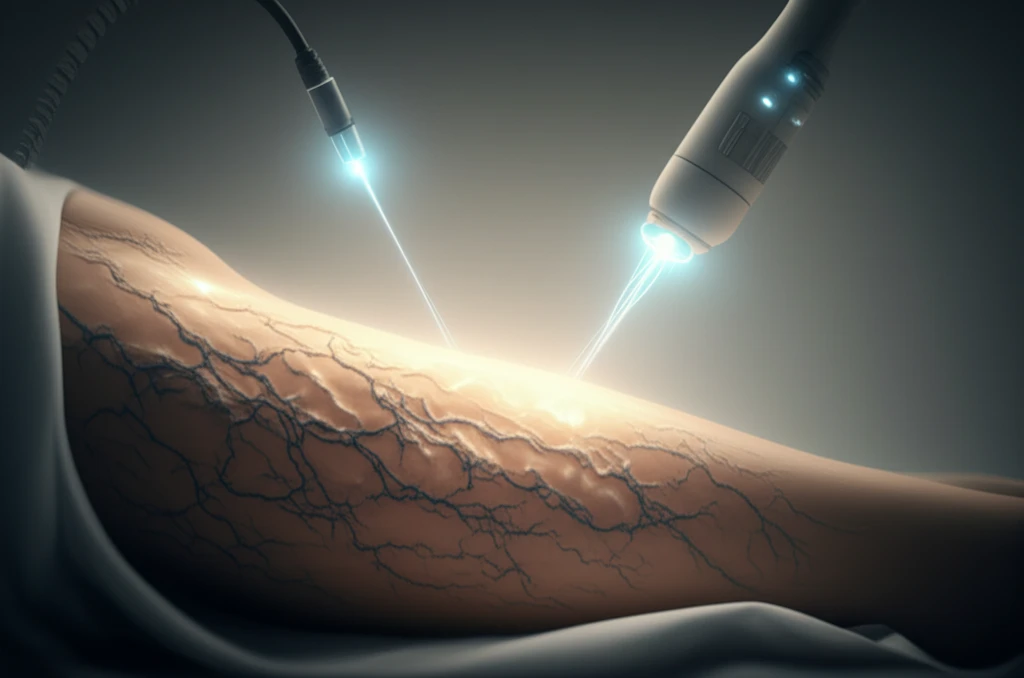
Varicose Vein Breakthrough: Can Electrocautery Be the Gentle Solution You've Been Waiting For?

"New research explores how endovascular electrocautery offers a minimally invasive approach to varicose vein treatment, potentially reducing complications and improving patient outcomes."
Varicose veins, those twisted, enlarged veins often appearing on the legs and feet, affect a significant portion of the adult population. Chronic venous insufficiency impacts approximately 20% of adults, significantly affecting quality of life. For many, the search for effective and less invasive treatments is a constant pursuit.
Traditional treatments, including laser and radiofrequency ablation, use thermal energy to close off the affected veins. While these methods are generally effective, they can sometimes lead to complications such as skin burns, nerve damage, and deep vein thrombosis due to the high temperatures involved. These potential side effects have driven the search for gentler alternatives that minimize damage to surrounding tissues.
Enter endovascular electrocautery, a promising technique that selectively destroys the layers of the vein using electrical energy. A recent study published in the Journal of Vascular Brasileiro has delved into the immediate effects of this method, examining the importance of energy intensity, power, and application time on the histological changes in varicose veins. This article breaks down the study’s findings, exploring how electrocautery could offer a more controlled and less invasive solution for varicose veins.
How Does Endovascular Electrocautery Work and What Makes It Different?
Endovascular electrocautery involves inserting a small catheter into the affected vein and delivering electrical energy to the vein wall. This energy causes selective destruction of the vein layers, leading to its closure and the interruption of blood flow. The key difference lies in the potential for more controlled energy delivery, which may reduce the risk of thermal damage to surrounding tissues.
- Energy Intensity (I): The total amount of energy delivered, measured in Joules (J).
- Power (P): The rate at which energy is delivered, measured in Watts (W).
- Time of Application (T): The duration for which energy is applied, measured in seconds (s).
The Future of Varicose Vein Treatment: A Gentle Revolution?
The findings suggest that endovascular electrocautery, when carefully controlled, can be a highly effective and less invasive treatment option for varicose veins. By understanding the importance of energy intensity and application time, physicians can tailor treatments to minimize tissue damage and reduce the risk of complications. While more research is needed to fully explore the long-term benefits and optimal application of this technique, endovascular electrocautery holds significant promise for the future of varicose vein care.