
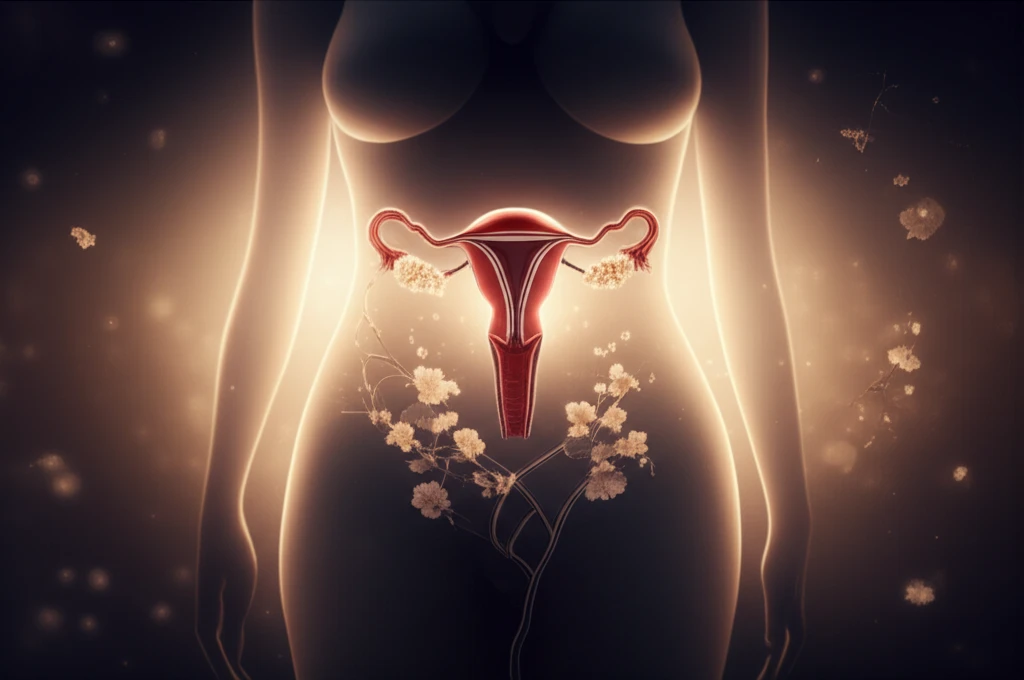
Uterus Transplantation: A Beacon of Hope for Women Seeking Parenthood

"Revolutionizing Reproductive Medicine: How Deceased Donor Uterus Transplants Are Changing the Game"
In the realm of reproductive medicine, the possibility of carrying and delivering a child has been a life-altering dream for many women facing uterine factor infertility. For years, the options were limited, but a revolutionary procedure has emerged, offering a new beacon of hope: uterus transplantation. This remarkable advancement allows women with damaged or absent uteri to experience pregnancy and childbirth, using a uterus from a deceased or living donor.
The journey of uterus transplantation began in 2015 with the first successful live birth following a live donor transplant. Since then, the field has seen rapid growth, with over 50 procedures performed in just a few years. This surge reflects the dedication of medical professionals and the relentless pursuit of innovation in the face of challenging circumstances.
This article delves into the fascinating world of uterus transplantation, exploring its intricacies, successes, and future prospects. We'll examine the current landscape, the challenges, and the ethical considerations surrounding this groundbreaking procedure, offering a comprehensive view of what it means for women seeking parenthood.
The Science Behind Uterus Transplantation: A Closer Look
Uterus transplantation involves surgically transplanting a uterus into a woman with uterine factor infertility. This can be due to various reasons, including congenital absence of the uterus (Mayer-Rokitansky-Küster-Hauser syndrome), previous hysterectomy, or uterine damage. The procedure typically involves connecting the donor uterus to the recipient's blood vessels, allowing for the restoration of blood flow and, hopefully, the ability to support a pregnancy.
- Donor Selection: Careful screening of donors is essential to ensure the health and suitability of the uterus.
- Surgical Techniques: Surgeons employ advanced microsurgery to connect the blood vessels and ensure proper blood flow.
- Immunosuppression: Recipients require immunosuppressant medications to prevent rejection of the transplanted uterus.
- Embryo Transfer: Once the uterus is functioning, embryos created through in vitro fertilization (IVF) are transferred.
- Pregnancy and Delivery: If successful, the recipient can carry a pregnancy and deliver a baby via cesarean section.
The Future of Uterus Transplantation: Hope and Innovation
Uterus transplantation represents a significant milestone in reproductive medicine, offering hope to women who previously had limited options. As the field continues to evolve, with ongoing research and advancements in surgical techniques and immunosuppression protocols, the future looks promising. With increasing awareness and support, uterus transplantation has the potential to transform lives and bring the joy of parenthood to countless individuals worldwide.