
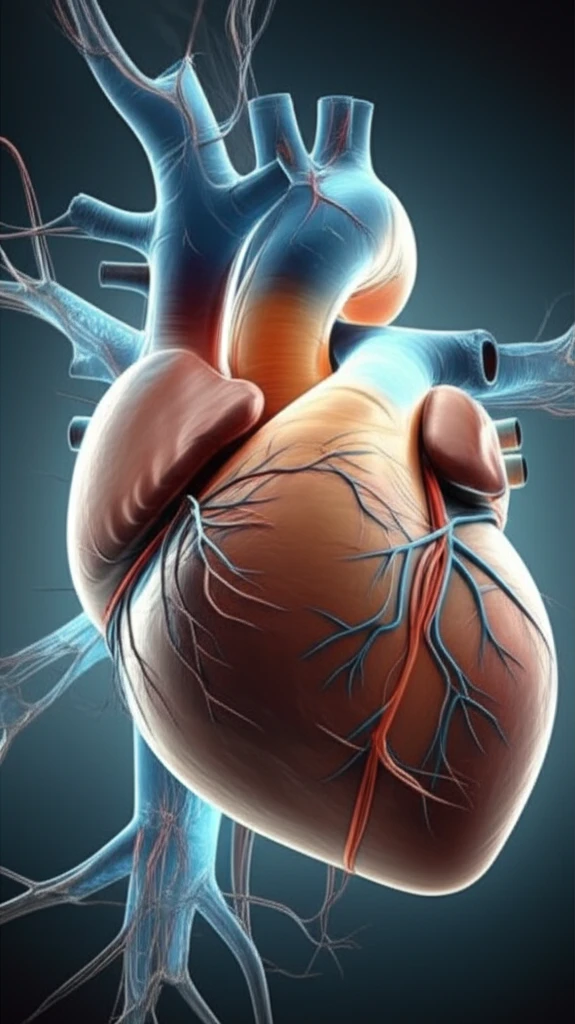
Heart intertwined with uric acid crystals

Uric Acid: The Hidden Link to Heart Failure?

"Discover how high uric acid levels might be silently impacting your heart health, and what you can do about it."


Chronic heart failure (CHF) is a condition that becomes increasingly common as we age. While it affects only a small percentage of people in their 20s, it can impact a significant portion of the population over 90. Understanding the factors that contribute to CHF is crucial for prevention and management.

Research indicates that a large percentage of CHF patients also experience other health issues. These co-existing conditions, known as comorbidities, can worsen the course of CHF and impact a person's quality of life. Identifying and addressing these comorbidities is essential for better patient outcomes.

One comorbidity that's gaining increasing attention is hyperuricemia, or high levels of uric acid in the blood. This article will delve into the connection between hyperuricemia and CHF, exploring its potential impact on heart health and what can be done to manage it.

Hyperuricemia: More Than Just Gout?

Heart intertwined with uric acid crystals

Hyperuricemia is typically defined as uric acid levels above 6 mg/dL. While often associated with gout, a painful joint condition, research suggests it may play a much broader role in overall health, particularly in the context of heart failure. Some studies have even found hyperuricemia to be a stronger predictor of mortality in CHF patients than traditional risk factors.

Several studies have highlighted the potential dangers of elevated uric acid in CHF patients:

  • A study involving CHF patients showed that those with uric acid levels above a certain threshold had a significantly higher risk of death within a year.
  • Research has demonstrated that high uric acid levels are associated with increased cardiovascular mortality and repeat hospitalizations for worsening CHF.
  • One study indicated that elevated uric acid levels were linked to a greater risk of cardiovascular events in older adults with CHF.
It's important to note that the connection between uric acid and heart failure is complex. While some research suggests a direct link between elevated uric acid and negative outcomes, other studies indicate that the impact of uric acid may depend on other factors, such as body mass index. More research is needed to fully understand this relationship.

Managing Uric Acid for a Healthier Heart

The good news is that hyperuricemia can be managed through lifestyle changes and, in some cases, medication. If you have CHF and high uric acid levels, it's crucial to work with your doctor to develop a personalized treatment plan.

Strategies for managing uric acid may include dietary changes (reducing purine-rich foods), maintaining a healthy weight, staying hydrated, and limiting alcohol consumption. In some instances, medications like allopurinol, which reduces uric acid production, may be prescribed.

While research is ongoing, managing uric acid levels may offer a promising avenue for improving heart health and outcomes in individuals with chronic heart failure. Future studies are needed to determine the optimal strategies for managing hyperuricemia in this population and to fully understand the potential benefits of treatment.

About this Article -

This article was crafted using a human-AI hybrid and collaborative approach. AI assisted our team with initial drafting, research insights, identifying key questions, and image generation. Our human editors guided topic selection, defined the angle, structured the content, ensured factual accuracy and relevance, refined the tone, and conducted thorough editing to deliver helpful, high-quality information.See our About page for more information.

Everything You Need To Know

1

What is hyperuricemia, and why is it more than just a concern for gout?

Hyperuricemia is typically defined as uric acid levels above 6 mg/dL. It's often linked to gout, a painful joint condition. However, research indicates it could have a broader impact on overall health, especially concerning heart failure. Studies suggest that hyperuricemia might be a stronger predictor of mortality in chronic heart failure patients than traditional risk factors.

2

How does hyperuricemia relate to chronic heart failure, and why is it important to manage?

Research indicates that a substantial percentage of individuals with chronic heart failure also experience other health issues, referred to as comorbidities. Hyperuricemia, or high levels of uric acid in the blood, is one such comorbidity gaining increasing attention. Managing hyperuricemia is crucial in chronic heart failure patients, as studies have associated elevated uric acid levels with increased cardiovascular mortality and repeat hospitalizations for worsening chronic heart failure.

3

What are the specific dangers of elevated uric acid levels in patients with chronic heart failure, according to research?

Several studies involving chronic heart failure patients revealed that elevated uric acid levels are associated with negative health outcomes. Specifically, individuals with uric acid levels above a certain threshold had a significantly higher risk of death within a year. Additionally, high uric acid levels were linked to increased cardiovascular mortality, repeat hospitalizations for worsening chronic heart failure, and a greater risk of cardiovascular events in older adults with chronic heart failure.

4

If I have chronic heart failure and high uric acid, how can hyperuricemia be managed to improve heart health?

Hyperuricemia can be managed through lifestyle adjustments and, in certain instances, medication. If you have chronic heart failure and high uric acid levels, collaborating with your healthcare provider to create a tailored treatment strategy is essential. This plan may include dietary changes, increased physical activity, and medications to reduce uric acid levels. Regular monitoring of uric acid levels is also important to assess the effectiveness of the treatment plan.

5

Is the connection between uric acid and heart failure straightforward, or are there other factors at play that need to be considered?

While there is evidence suggesting a link between elevated uric acid and negative outcomes, some research indicates that the impact of uric acid may depend on other factors, such as body mass index. The interplay between uric acid and heart failure is complex, and more research is needed to fully understand this relationship. Future studies should consider various factors like genetics, diet, and other comorbidities to gain a more complete picture of how uric acid affects heart health in chronic heart failure patients.

Newsletter Subscribe

Subscribe to get the latest articles and insights directly in your inbox.